


Last updated on August 19, 2026
I have spent a solid few dozen hours with “Mortal Shell 2,” the newest and freshest souls like release of this scorching summer. When the game was first revealed, I will admit I was not particularly excited for it, but now that I can boot it up at pretty much any hour to get thoroughly beaten by whatever enemy crosses my path, I can safely say I was wrong to walk in with such low expectations.
To put things into perspective, the first Mortal Shell was never really my cup of tea. It felt cheap and arrived during a period when souls style games were not getting nearly as much recognition. The sequel, on the other hand, has earned my full trust in the studio and given me a much deeper appreciation for the work developers put into AA titles.

A spiritual successor to the legendary Elden Ring
I got the chance to try a bit of the open beta before launch, and I liked what I played, no point in denying that, but it did feel like it was missing a real identity of its own. Everything about that early build made it clear the game draws very heavily from other titles such as Elden Ring and Remnant, particularly the second entry in that series.
Now, having put over 30 hours into the finished product, I stand by that impression even more firmly. This game absolutely wears its inspirations on its sleeve, but that does not make it a bad game. Quite the opposite, it makes it a great fit for anyone who adored, and still adores, souls like titles, especially the open world kind.
Not quite Nioh, not quite Dark Souls, but something of its own
When it comes to combat, there is plenty to unpack. The game behaves like a fairly standard souls entry and feels very close to its predecessor, the “Shell” mechanic is still very much present, but it has been refined significantly compared to before.
Think of Sekiro, where every death grants you a second chance. Mortal Shell 2 runs on a similar idea, except once your Shell form breaks, you become much more fragile and weaker. To keep things fair though, the game lets you restore your Shell form even mid boss fight, requiring only a handful of hits to refill the gauge back to full and reclaim your strongest state.
Enemy variety also deserves a mention. I was genuinely surprised by how dense and varied the roster is, the developers clearly did not settle for recycling the same five or six enemy types across the whole playthrough. The world itself is open, likely the first true open world souls experience since Elden Ring, which was a welcome sight, though it also meant a fair bit of frustration whenever I realized how many weapons and collectibles I kept missing along the way.
Setting that aside, the map is split into several regions, each with its own biome, its own enemy roster and unique bosses, along with varying difficulty. I noticed the northern area is noticeably easier than the south, which is unfortunately where I headed first and got beaten down for three hours straight, without ever realizing there was another, gentler starting region available.
I appreciated how little hand holding there is, both in terms of story and objectives. I will admit I had to reach out to the developers a couple of times because I genuinely had no idea how to reach a certain boss or track down a specific item.
Even so, the whole experience recreated that feeling I had during my very first Elden Ring playthrough. The thrill of discovery and the pull of uncovering the world’s secrets kept me hooked through all 30 hours, without me ever dwelling too much on the bosses waiting to hand me my next defeat.
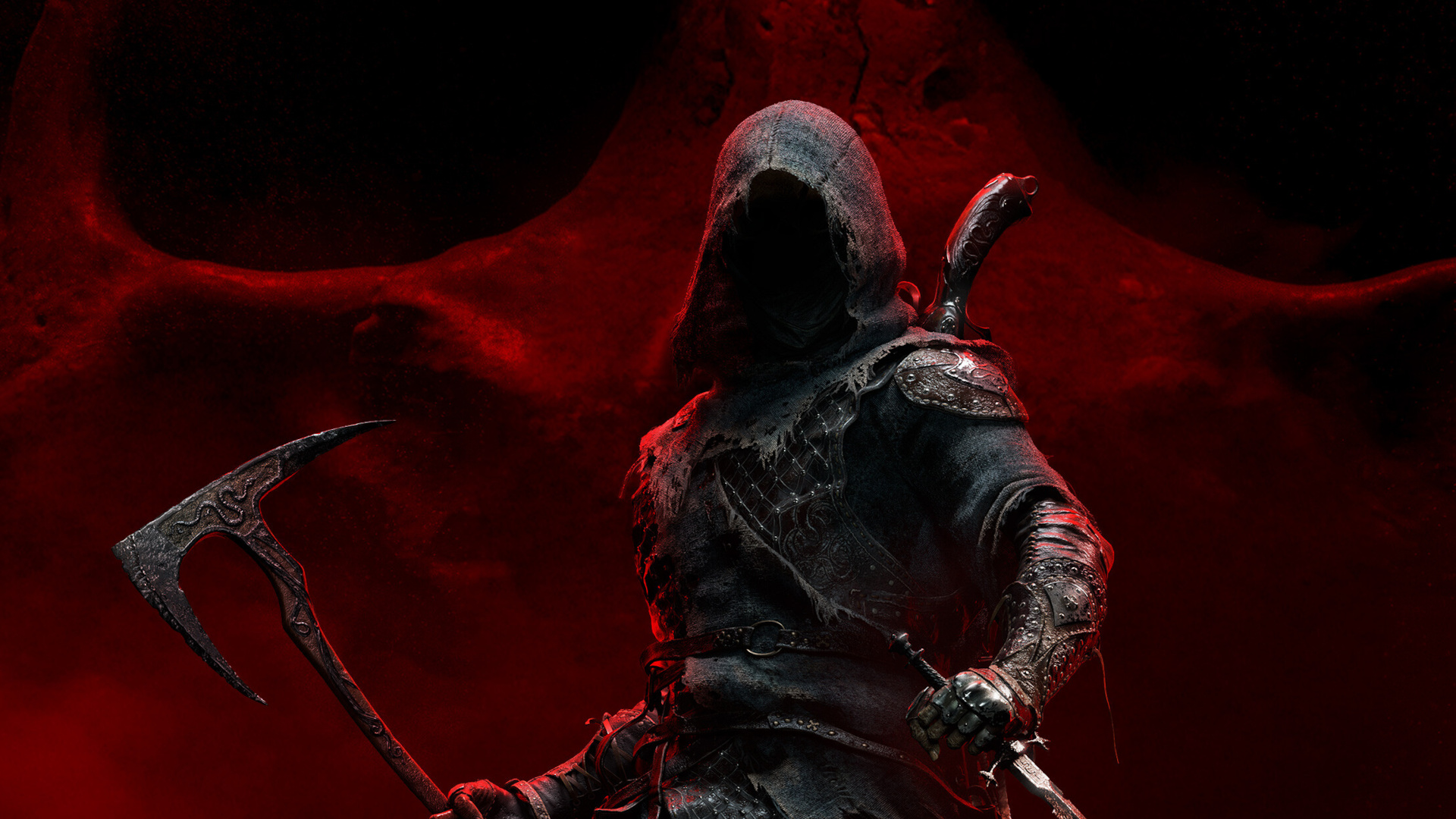
As for weapons, or “shells” as they are called here, I really cannot complain about the variety. It is not structured like a typical RPG or a typical souls game where you get a hundred weapons with different stats but nearly identical movesets.
Instead, the developers chose to simplify things and offer just eight weapons total, each one genuinely unique. You can upgrade them much like in any other souls game, using currency and a type of stone that functions almost exactly like the Smithing Stones from Elden Ring, no exaggeration, the design is practically a carbon copy.
As for the Shells themselves, each one comes with distinct passive and active abilities, along with small story fragments you uncover as you progress. You need various materials to unlock each chapter of a Shell’s backstory, and those materials, called “Sparks,” are a bit tougher to find out in the world, though I am fairly confident you would collect enough to fully max out around three Shells in a single playthrough.
Bosses and dungeons, the biggest highs and the biggest lows
Bosses and dungeons ended up being the parts that shone the brightest, but also the ones that let me down the most. I liked that every fortress and dungeon I stepped into felt genuinely rewarding, not once did I worry that I was wasting my time, since the loot always matched the effort. That said, the further I explored, the more I noticed how repetitive the dungeons became, with enemies placed in roughly the same spots and bosses that often felt underwhelming or uninspired.
The artists fully delivered on their promise
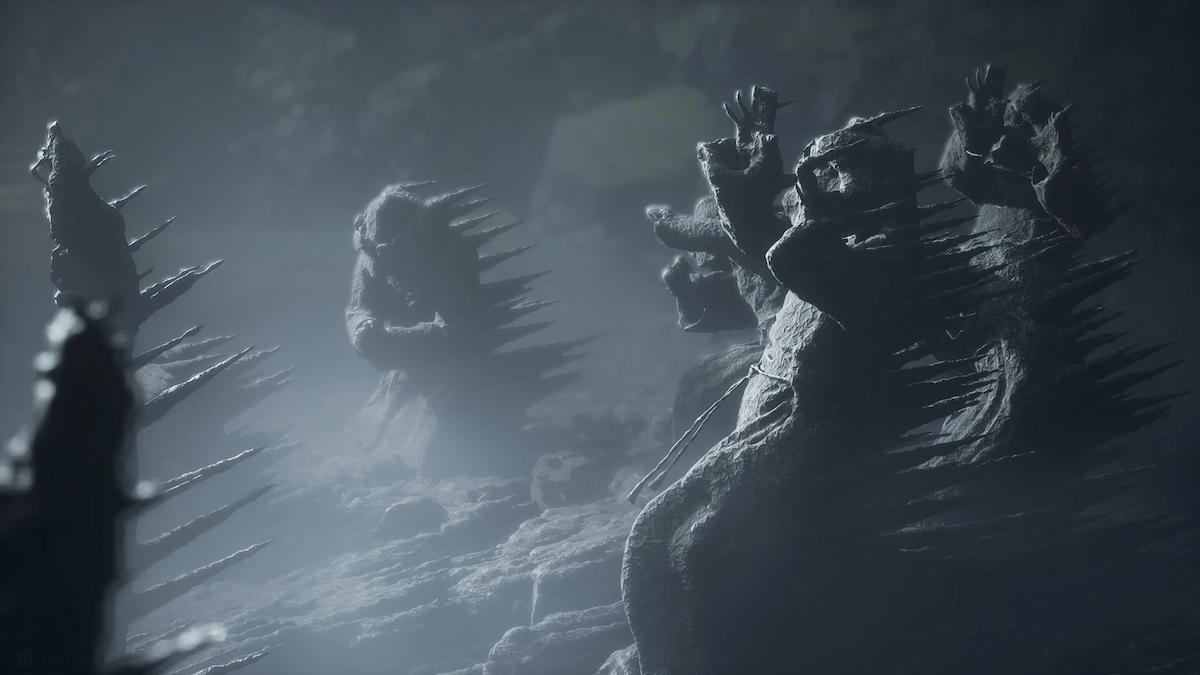
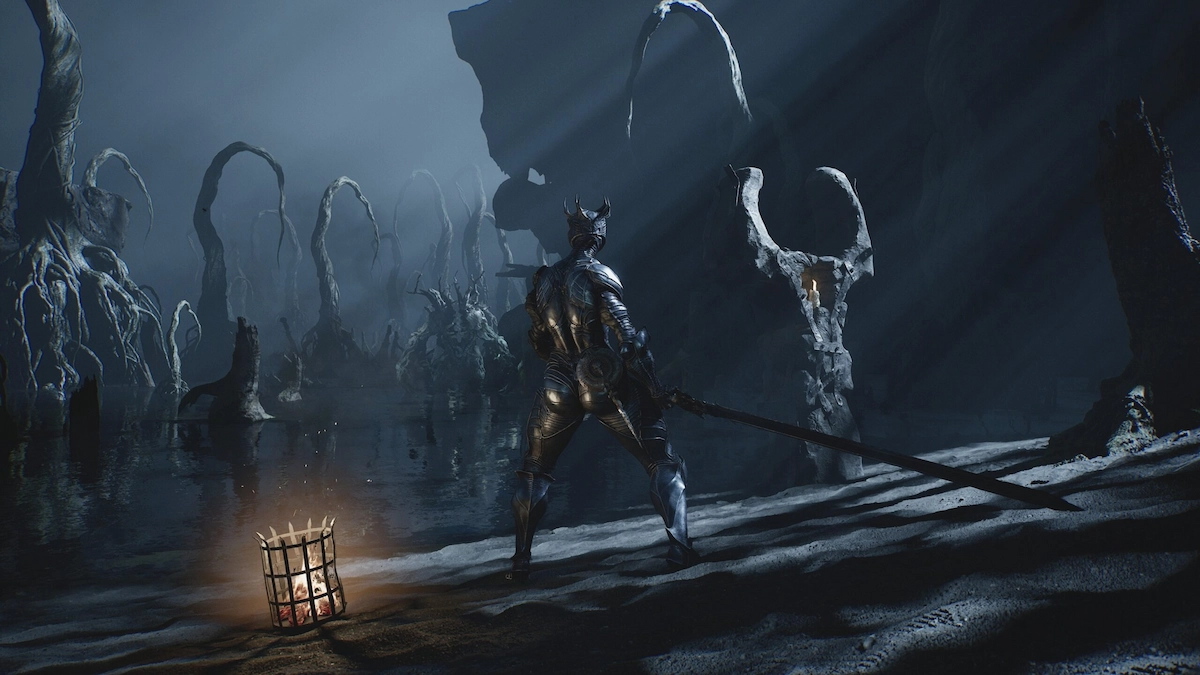
I will be honest, I had a bit of a love hate relationship with the game’s art direction, not because it is bad, and not because it is amazing either, but because I was not particularly drawn to another game clearly inspired by Dark Souls or Demon’s Souls. Turns out I was completely wrong to doubt it. The style Mortal Shell 2 delivers ends up feeling more distinct and darker at its core, giving off strong Lovecraftian souls like vibes, and the tentacle bearded enemies certainly helped cement that impression.
Art direction aside, visual fidelity is and remains a major selling point for this game. For a smaller budget AA title, and an open world one at that, I was impressed by the level of detail, effects and lighting the artists and developers managed to pack into it, honestly worthy of winning at least one award.
That said, some enemies and even a few bosses simply did not match the overall tone the game was going for, they felt disconnected from the backdrop, and at times it genuinely felt like I was playing a different game altogether because of the clashing visual and artistic direction.
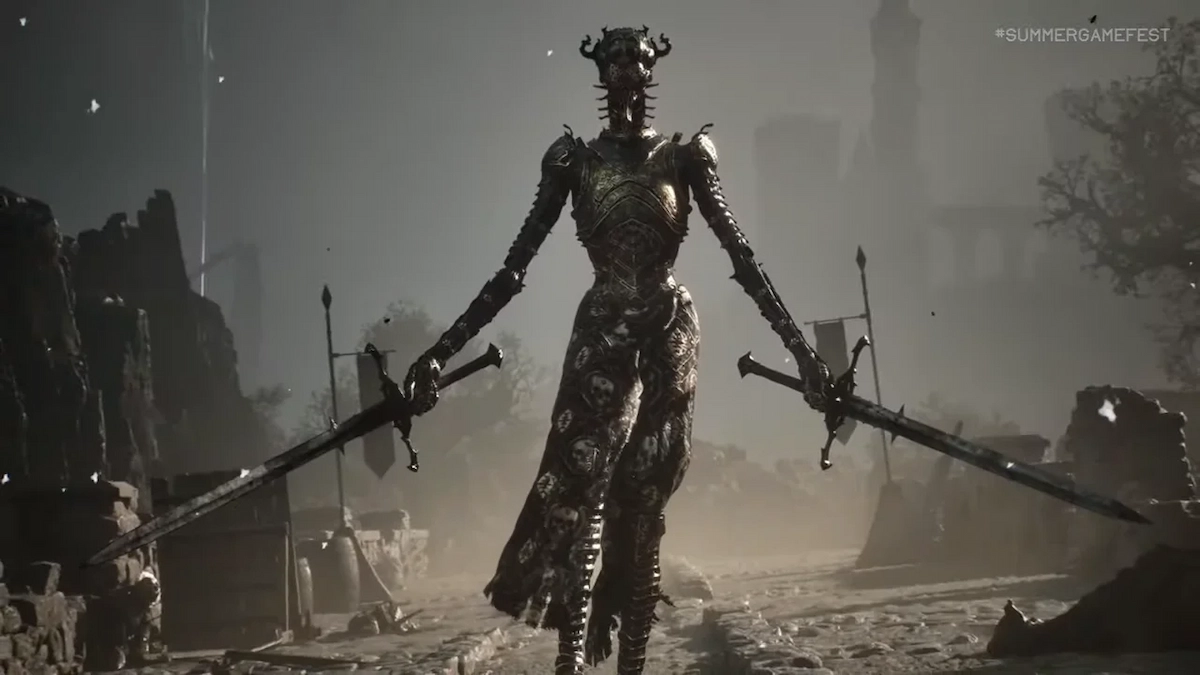
Sometimes I hear terrifying sounds, as if something grotesque is right behind me
This brings me to the category that won me over the most, sound design. Early in the game, right during the tutorial section, where you face a boss you cannot actually defeat, a pretty typical souls like trope for no particular reason, I finally managed to escape the starting dungeon and see daylight for the first time. That moment sent a chill down my spine, the world felt both wide open and deeply confined at once, and the background music and sound design, especially the birdsong, was enough on its own to make me hit the preorder button without a second thought about the parts of the game that might not fully land.
To be fair, the overall feeling and soundscape shift quite a bit from region to region, but lucky for us, there is still a guitar we can pull out to play some good tunes, take down enemies, and shift the atmosphere entirely.
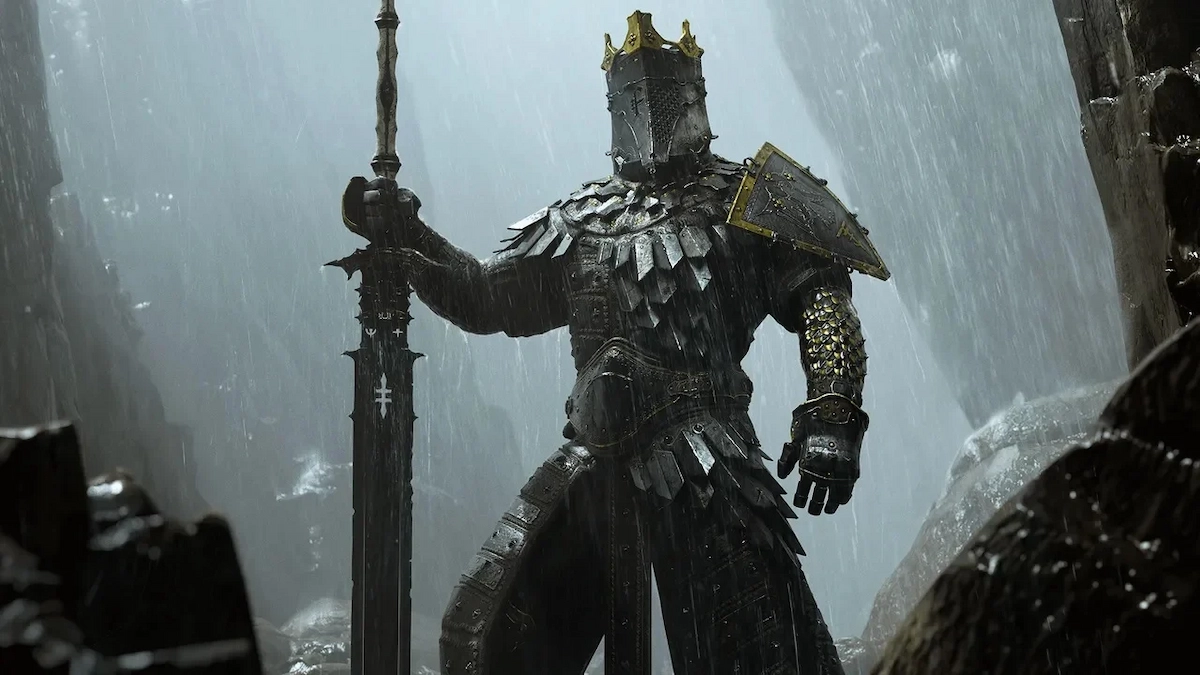
The search for the sacred eggs
Mortal Shell 2 delivers a story, or rather a continuation of the first game, and it manages to push the narrative even further than its predecessor. Our main goal, whether the game calls us “Harbinger,” “The Penitent One,” “The Ashen One,” “Tarnished,” or any other souls like nickname you can think of, is to recover a set of eggs known as OVA, stolen from us by corrupted creatures.
At first glance, the story does not seem particularly complex, and admittedly the core plot stays fairly simple from start to finish. Still, the characters, and even the Shells themselves, make this game genuinely compelling when it comes to storytelling. It even dives into cosmology, weaving in a story about the very land the game takes place in, called “Fallgrim,” an artificial purgatory created by a primordial, omnipotent entity known as “The Hearth,” also referred to as the “Architect of Forms.”
Every sub story and purpose for everything, including the origin of the Shells themselves, branches out from there. Overall, I recommend paying close attention to every item, note or weapon you pick up, since each one carries a small piece of the story you will need to piece together yourself, in your own head, of course.
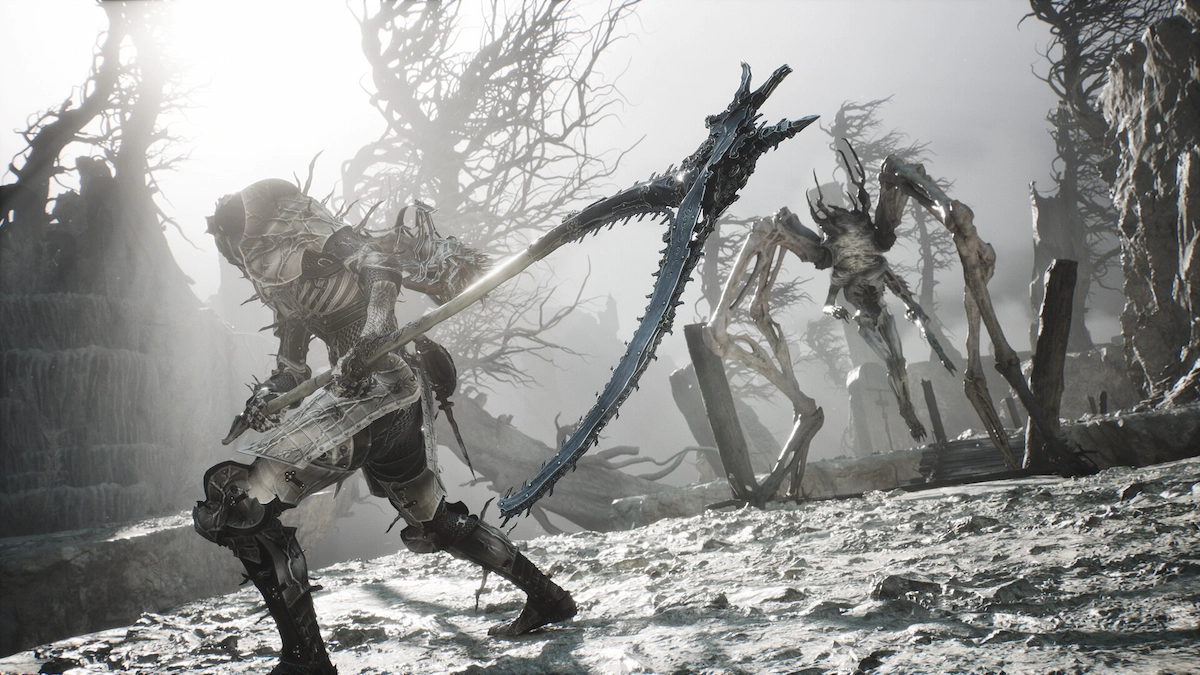
What a journey, and the sadness returns once it ends
Mortal Shell 2 is a title that blew past my expectations by a mile. I was genuinely surprised to see such a small development team pull off something that can go toe to toe with a full blown AAA release, looking at you, Lords of the Fallen. Jokes aside, the art direction and the world itself are what make this title so special. Even though it draws heavily from Elden Ring, it is exactly what we needed right now, something fresh, yet nostalgic at the same time.
Final score: 9.2/10

I’m passionate about books and video games. These two great passions represent, for me, a boundless universe where I can “escape” from reality whenever I need or want to. There are so many stories, worlds, and landscapes where I can instantly teleport that I don’t think a whole lifetime would be enough to explore them all (though it would be my greatest dream to be able to).
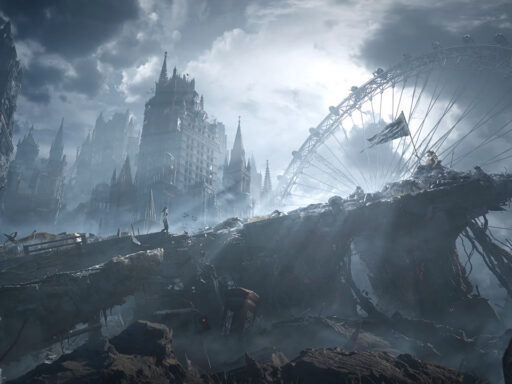
Finished the game and got all the collectibles. What I like the most is something mentioned here at the beginning, and it is that the game takes from Elden Ring and from Remnant 2, that detail that I already noticed in the demo, is what made me fall in love with the game. A few weapons but thousands of possible combos with the tar stones and the shell skills. Every shell is unique, I personally love Tiel and becoming invisible to backstab. One of the best souls since Elden Ring no doubt.