
Marathon is finally locked in for a March 2026 launch as a premium $39.99 extraction shooter, with extra development time, solo‑friendly systems, and an anti‑FOMO monetization model that all signal a calculated long‑term play from Bungie.

A new launch window and a switch to premium
Bungie has stepped out with one of the biggest updates yet for Marathon: the extraction‑style shooter is now targeting a March 2026 release, and the original Free‑to‑Play plan has been dropped in favor of a $39.99 premium model (with equivalent pricing in euros and pounds). That price point alone says a lot about how the studio wants the project to be perceived: not as a throwaway F2P experiment, but as a live‑service title with weight and commitment behind it. In a genre where the market is already crowded and first impressions often decide whether a game lives or dies, these early decisions can be critical.
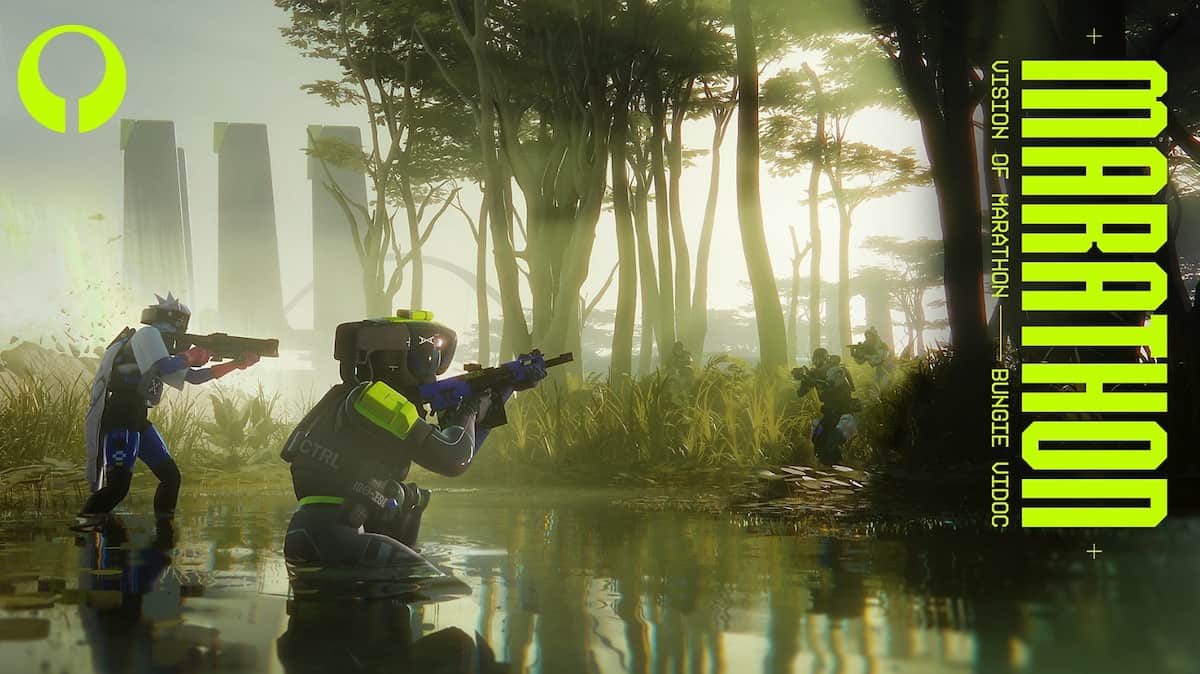
The new date arrives via a ViDoc titled “Vision of Marathon”, where Bungie acknowledges that the previously targeted 2025 window was no longer realistic. The delay to 2026 is framed as a chance to double down on what matters most in an extraction shooter: a tight, addictive gameplay loop that can actually sustain a long‑term community across PlayStation 5, Xbox Series X/S and PC (Steam).
Why extra time to 2026 matters
Pushing Marathon into March 2026 gives Bungie something many live‑service releases never get: breathing room before launch. Instead of dropping the game early and spending months putting out fires, the team is trying to ensure that core systems are robust on day one, with fewer “we’ll fix it later” compromises. The goal is a more mature launch that feels stable, clear in its identity, and ready to support a regular cadence of updates.
From day one, Marathon will feature full cross‑play and cross‑save, letting players group up across platforms and move their progress freely when they change hardware. For a PvP‑driven extraction title, this kind of shared ecosystem is almost mandatory if the player base is going to remain healthy over time.
Solo players get tools, not just punishment
Extraction shooters have a well‑earned reputation: squads dominate, while solo players often feel like cannon fodder. Bungie openly recognizes this and is trying to address the imbalance with two key ideas: the Rook system and a dedicated Solo Queue playlist.
The “Rook” system
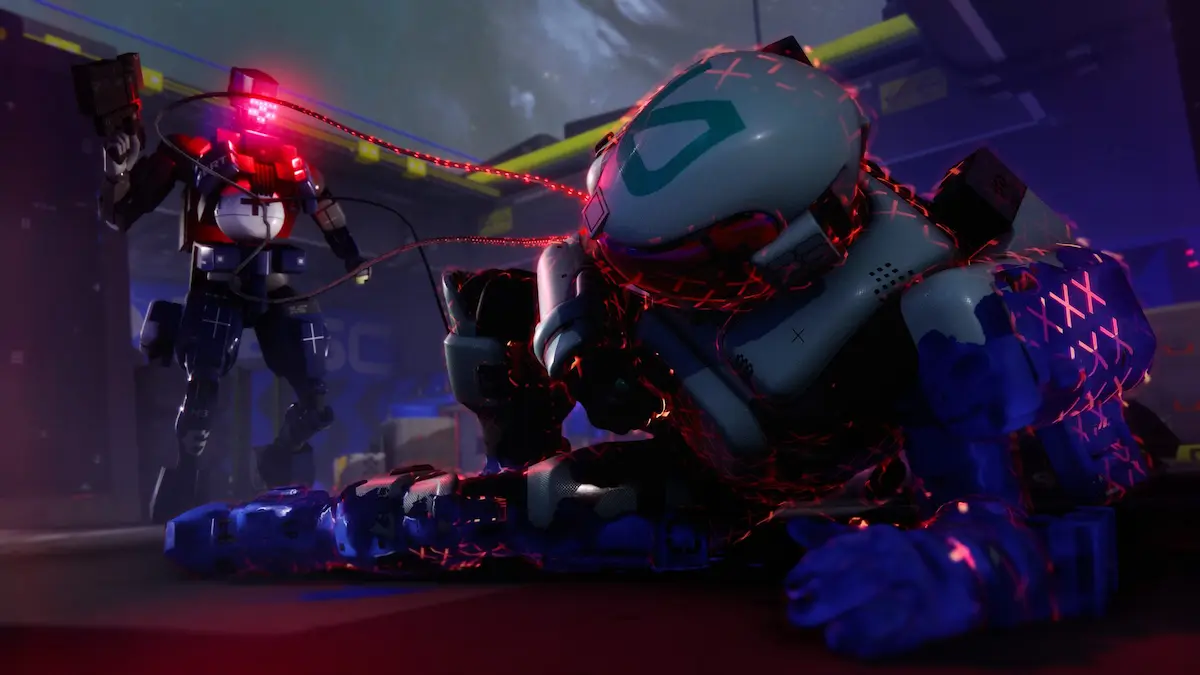
Players can drop into matches as a “Solo Scavenger” shell, a setup designed to let lone wolves scavenge loot, hunt for opportunities and capitalize on leftovers from larger firefights without constantly being shoved into 1v3 scenarios they cannot realistically win. If implemented well, this turns playing alone from a form of self‑punishment into a valid, interesting playstyle, with its own pacing and risk‑reward profile.
Solo Queue playlist
Alongside that, Bungie is planning a separate Solo Queue so single players are not continually dropped into lobbies dominated by perfectly coordinated trios. In a genre where fair matchmaking can make or break retention, this kind of playlist could be the difference between a game that keeps its solo community and one that bleeds it out after a few frustrating weeks.
Runners, roles, proximity chat and style
Beyond systems and scheduling, Bungie wants Marathon to have a clear personality rather than just ticking extraction‑shooter checkboxes.
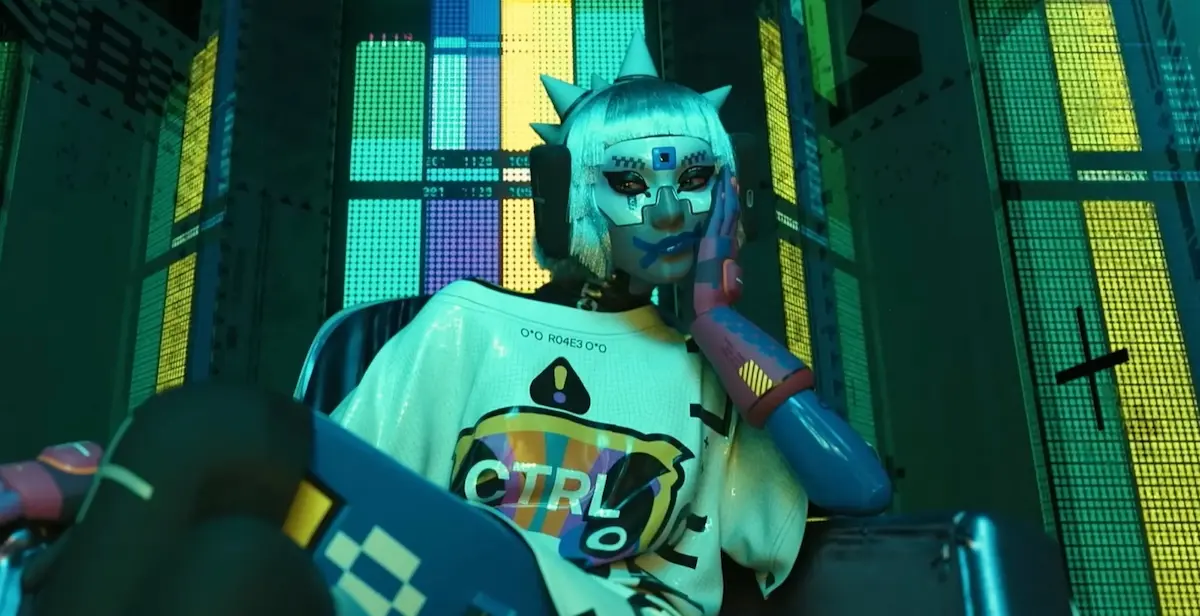
- Runners & classes: Matches revolve around distinct characters with different roles, ranging from stealth‑oriented specialists to heavy damage dealers, hinting at varied team compositions and multiple tactical approaches to each run.
- Proximity chat: Voice chat tied to physical distance is back on the table, letting players negotiate, threaten, bluff or betray each other on the fly. In an extraction setting, those interactions can generate the kind of unscripted stories that keep a game alive on streams and social media.
- Art direction: Marathon pushes a sharpened, high‑contrast visual style with a graphic‑novel edge, aiming for a bold, readable look that stands apart from the usual muted tactical palette as long as clarity in combat remains intact.
$39.99, no‑expiry passes and an anti‑FOMO stance
The pivot from Free‑to‑Play to a $39.99 / €39.99 / £34.99 premium release is arguably the most controversial, but also the most revealing choice. In a world where $70 has become standard for big releases, the pricing feels intentionally lower, enough to be approachable while still providing a barrier that can help with issues like cheating and throwaway accounts that often plague F2P shooters.
Monetization will come via Rewards Passes (effectively battle passes), but Bungie is making one promise that stands out: these passes will not expire. Players can step away from the game, deal with real life, and return later without being punished for missing a season’s tight schedule. On top of that, the studio says all post‑launch gameplay updates – new maps, new modes and similar core content – will be free for players who own the base game. The idea is to sell the initial entry and then keep the ecosystem unified rather than fragmenting it behind paid expansions.
A calculated bet in a harsh genre
Marathon is entering a space where competition is fierce and the opening weeks can decide a game’s long‑term fate. By combining a March 2026 launch, a mid‑tier premium price, systems that respect solo players, and a monetization structure that tries to push back against FOMO, Bungie is clearly attempting to avoid the usual traps that sink live‑service projects early.
Whether that strategy pays off will depend on execution: on how strong the core loop feels, how stable the servers are, and how quickly meaningful updates arrive once players are in. On paper, though, Marathon’s plan looks more deliberate than a rushed release just to hit a calendar year, and that alone gives it a better chance to become more than just another extraction shooter lost in the crowd.

I’m passionate about books and video games. These two great passions represent, for me, a boundless universe where I can “escape” from reality whenever I need or want to. There are so many stories, worlds, and landscapes where I can instantly teleport that I don’t think a whole lifetime would be enough to explore them all (though it would be my greatest dream to be able to).