Last updated on December 16, 2025
Getting the whole group on the same game used to be a hassle: one friend on PC, another on PlayStation, someone on Xbox, and somehow a couple of people always got left out. Cross-play fixed that, and it’s one of the reasons multiplayer feels so much smoother today. Multiplayer games with cross-play, you don’t waste time asking “what platform are you on?” you just team up and play. In this article, I’ve put together a selection of the best multiplayer titles with cross-play, whether you’re looking for a laid-back co-op session or something competitive that keeps everyone locked in.
- Battlefield 6
- Fortnite
- Call of Duty: Warzone
- Apex Legends
- Sea of Thieves
- Diablo IV
- Warframe
- Dead by Daylight
- Baldur’s Gate 3
- Rocket League
Battlefield 6
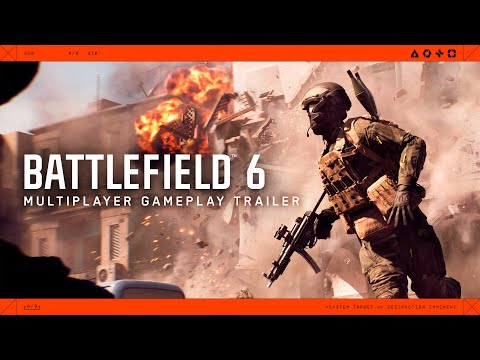
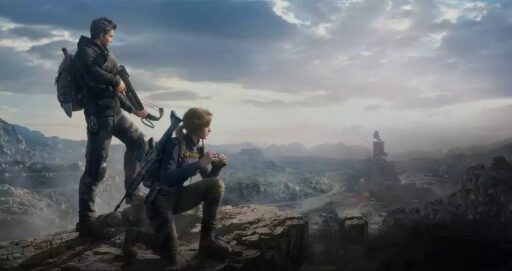
Battlefield 6 is a live-service FPS that leans back into a more grounded, serious Battlefield vibe, with a campaign set in 2027–2028 around a fractured NATO and a private military force called Pax Armata. Multiplayer sticks to the classic four-class setup (Assault, Engineer, Support, Recon), but puts a big spotlight on destruction again, letting you tear buildings apart and reshape routes mid-fight. It also adds a “Kinesthetic Combat System” that’s all about small, practical moves in the chaos (leaning around cover, grabbing onto vehicles, dragging teammates to safety). On top of the usual staples like Conquest and Breakthrough, it introduces new modes like Escalation, which slowly funnels teams into fewer objectives, plus a free-to-play battle royale mode called RedSec.
Fortnite

Fortnite started in 2017 as an online game, but at this point it’s closer to a whole platform with multiple modes living under the same roof. You’ve got the main Battle Royale where up to 100 players fight to be the last one standing, Save the World for co-op PvE with building and defenses, and Creative for people who basically want to build their own maps and game types. In recent years it’s expanded even further with LEGO Fortnite (Odyssey and Brick Life), Rocket Racing, Fortnite Festival, and even Ballistic, a tactical FPS that’s currently in early access. Most of it is free-to-play (Save the World is the exception), and the reason it keeps staying relevant is simple: it’s not just “one game” anymore — it’s a bunch of different experiences that Epic keeps rotating, updating, and turning into events.
Call of Duty: Warzone
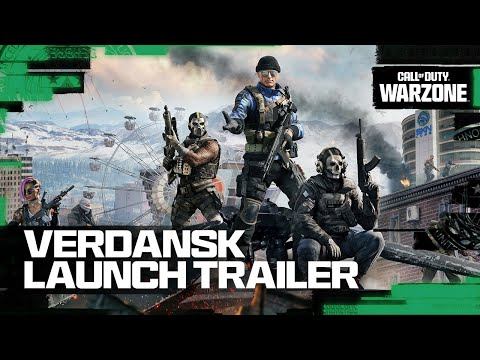
Call of Duty: Warzone was Activision’s free-to-play battle royale FPS that launched on March 10, 2020, built by Raven Software and Infinity Ward and tied into Modern Warfare (2019) without forcing you to buy it. It pushed big lobbies (up to 150 players), full cross-play and cross-progression, and a few signature systems that quickly became “the Warzone thing” — Cash you could spend at Buy Stations, and Loadout Drops that let you bring your custom weapons and perks into the match instead of relying purely on loot. It shipped with Battle Royale and Plunder, started out focused on Trios, and later expanded to Solos, Duos, and Quads. The original Warzone was ultimately shut down on September 21, 2023 as Activision shifted focus to Warzone 2.0.
Apex Legends

Apex Legends is Respawn’s free-to-play battle royale hero shooter set in the Titanfall universe, built around squads and character abilities rather than everyone feeling identical. Before each match you pick a Legend with a specific kit, then drop in as a duo or trio, loot fast, and keep rotating as the ring closes and forces fights. It’s been kept alive for years through the live-service update cycle and cross-platform play, and it famously launched in 2019 with basically no warning — it just appeared and immediately became a big deal. Beyond battle royale, it also offers tighter 3v3 action in Arenas, for when you want less “loot and rotate” and more straight-up gunfights.
Sea of Thieves
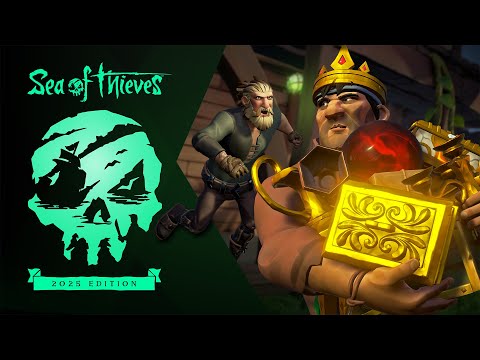
Sea of Thieves is Rare’s pirate sandbox where the “mission” is usually just an excuse to get out on the water and see what trouble finds you. You pick up voyages from different trading companies, sail an open world in first-person, and the real spice comes from other crews: sometimes you team up, sometimes you get boarded and everything turns into chaos. Progression is mostly cosmetic on purpose, so new players can still sail with veterans without feeling useless — it’s more about stories you create than stats you grind. It launched in 2018 and grew a lot through years of live-service updates, eventually landing on newer consoles too, including a PS5 release in 2024.
Diablo IV
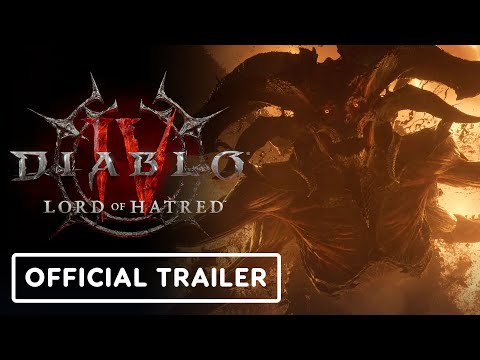
Diablo IV is Blizzard’s dark fantasy action RPG (and the fourth main Diablo game), built around fast combat, loot chasing, and that “one more dungeon” loop the series is known for. You roll a character from seven classes — Barbarian, Druid, Necromancer, Rogue, Sorcerer, Paladin, or Spiritborn — then push through quests, procedurally generated dungeons, and tons of build tweaking as your gear starts defining who you are. Compared to older entries, it leans harder into an open world feel and includes PvP, while still keeping the core Diablo rhythm: kill, loot, upgrade, repeat. Post-launch it’s been kept moving with seasons and expansions, with Vessel of Hatred releasing in October 2024 and a second expansion, Lord of Hatred, announced in December 2025.
Warframe

Warframe is Digital Extremes’ free-to-play, third-person action RPG shooter where you play as the Tenno — ancient warriors waking up in a far-future solar system that’s basically falling apart in every direction. The core loop is fast missions with a mix of gunplay, melee, and that signature parkour movement, all built around collecting Warframes, weapons, and mods until your build starts feeling unstoppable. It’s mostly PvE, but there’s PvP in the mix too, and while plenty of missions are procedurally generated, the game also has bigger open areas and handcrafted story quests when it wants to get more cinematic. It’s been expanded for years, and it’s now firmly cross-platform: cross-play arrived in 2022, and cross-save rolled out through late 2023 into early 2024 — with a Nintendo Switch 2 version planned for 2026.
Dead by Daylight

Dead by Daylight is an asymmetric online horror game where one player is the Killer and four others are Survivors, and the whole match is basically a panic-powered game of cat and mouse. Killers try to down and hook everyone to satisfy the Entity, while Survivors scramble to stay unseen, coordinate saves, and repair five generators to power the exit gates. A big part of why it’s stayed popular is the endless stream of crossovers — it’s turned into a kind of horror theme park where icons from films, TV, and games can all end up in the same match. It launched on PC in 2016, later hit consoles, upgraded to Unreal Engine 5 in 2024, and has grown into a massive live game with spin-offs and even a movie adaptation in the works.
Baldur’s Gate 3
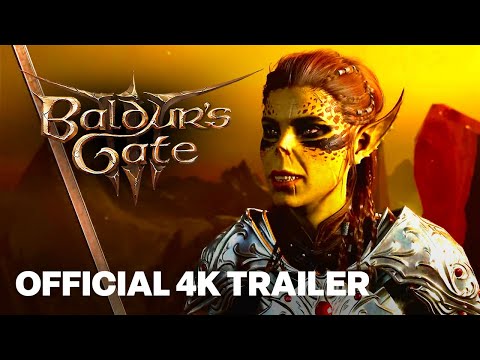
Baldur’s Gate 3 is the kind of RPG that grabs you and doesn’t let go, mostly because it treats your choices like they actually matter. You start off with a nasty problem — a mind flayer tadpole in your head — and from there it’s a mix of exploring, arguing with your companions, getting into fights you probably could’ve avoided, and occasionally talking your way out of trouble by sheer luck. It’s basically D&D in videogame form: turn-based combat, a party full of voiced characters, and a lot of moments decided by a d20 roll that can make you laugh or groan depending on how it lands. It released in 2023, you can play it solo or with friends, and Larian kept polishing and adding free stuff until their big “final” patch in April 2025.
Rocket League

Rocket League is Psyonix’s “vehicular soccer” game where the pitch is the same, but the players are rocket-powered cars boosting, flipping, and bumping each other off the ball. Matches are quick, chaotic, and weirdly skillful once you start learning aerials and recoveries, and it supports both local and online play with full cross-platform multiplayer. Since launch in 2015 it’s been treated like a live game, adding new modes and rule twists over time, and it went free-to-play in 2020 after Epic acquired Psyonix. It also grew into a real esports staple through the RLCS scene, which makes sense — the skill ceiling is basically in orbit.

I write for Need4Games, mostly keeping track of what’s coming next. I cover showcases and release updates, put together quick lists when you just want the highlights, and I’ll post Steam deal roundups when the sales get wild. I play a lot of games, so I tend to look at games through that lens. No overthinking, just: what it is, why it’s interesting, and if it’s actually worth your time. I also stream now and then on Twitch.