
Last updated on December 7, 2025
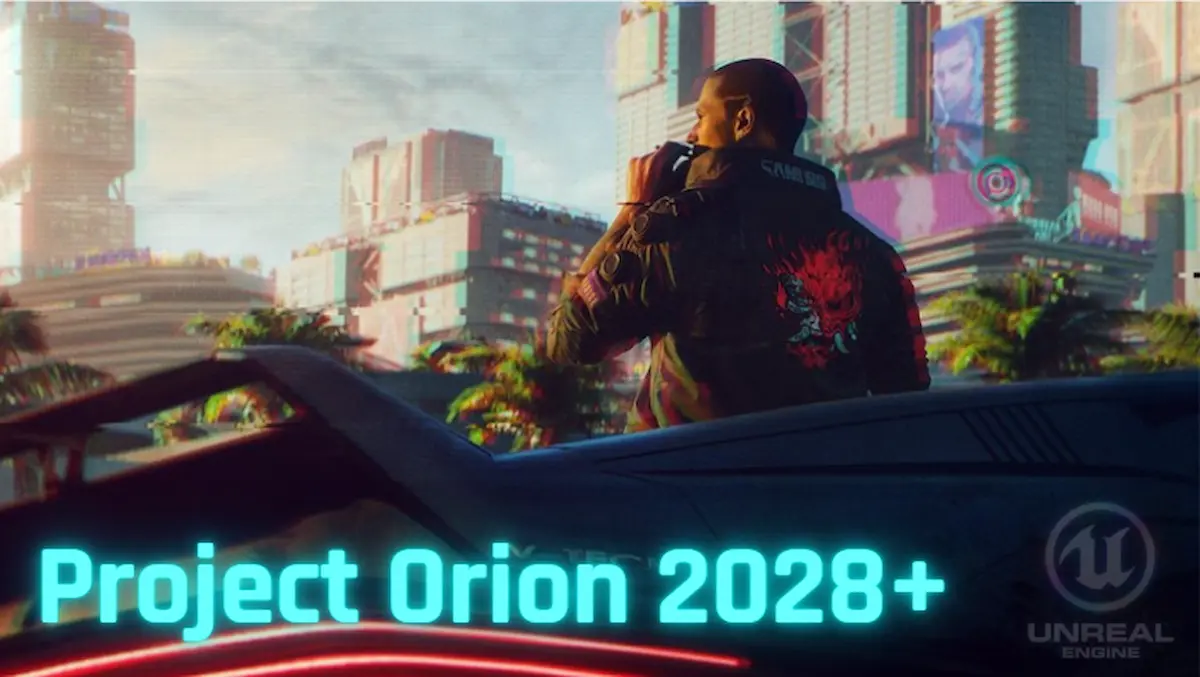
After years of silence, CD Projekt RED is finally giving fans a clearer idea of when to expect the sequel to Cyberpunk 2077. The studio has confirmed that its next Cyberpunk game, codenamed Project Orion, will not arrive before 2028, setting the earliest realistic window for the long‑awaited follow‑up. At the same time, new details on team size, studio structure, and the shift to Unreal Engine 5 reveal just how ambitious this sci‑fi RPG aims to be.
Team Size, Studios, and the Road to Full Production
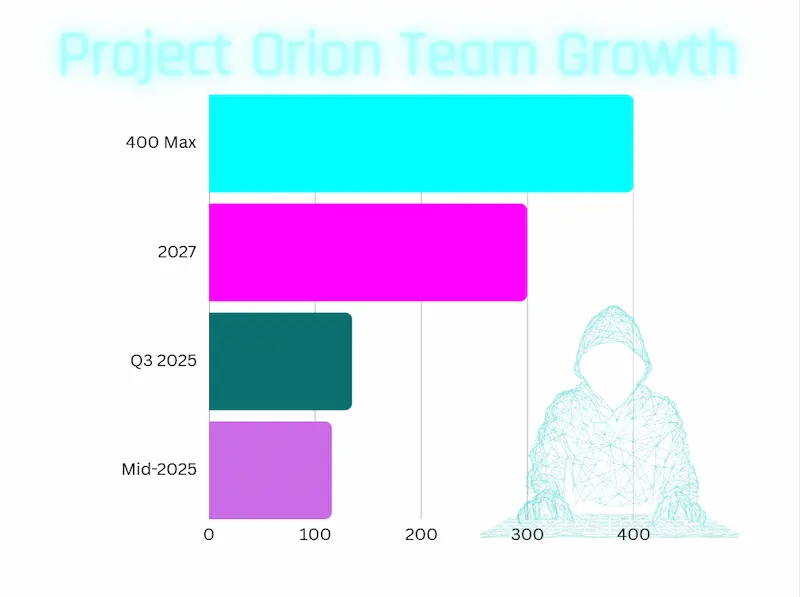
During CD Projekt’s Q3 2025 financial results presentation, the company outlined how its development workforce is currently split across multiple projects. Projekt Q3 2025 Results The Witcher 4 remains the primary focus, but around 135 developers are already assigned full‑time to Cyberpunk 2, up from roughly 116 earlier in the year, with that number expected to grow substantially over the next two years. CDPR’s Boston hub is taking a central role on Orion and is projected to become larger than the Warsaw and
Vancouver teams combined by 2027, reflecting the sequel’s North American setting and the studio’s desire for more regional authenticity.
By 2027, CD Projekt plans to have more than 300 developers working on Cyberpunk 2 across its three locations, scaling up to a potential 400 if production demands it. This is a significant increase over the initial Cyberpunk 2077 team and signals a commitment to avoid the crunch and pipeline issues that plagued the original game’s launch. With Cyberpunk 2077 having now sold over 35 million copies, the publisher is clearly willing to invest heavily in its second trip to Night City—or wherever the sequel ultimately takes place.
Why Cyberpunk 2 Won’t Arrive Before 2028
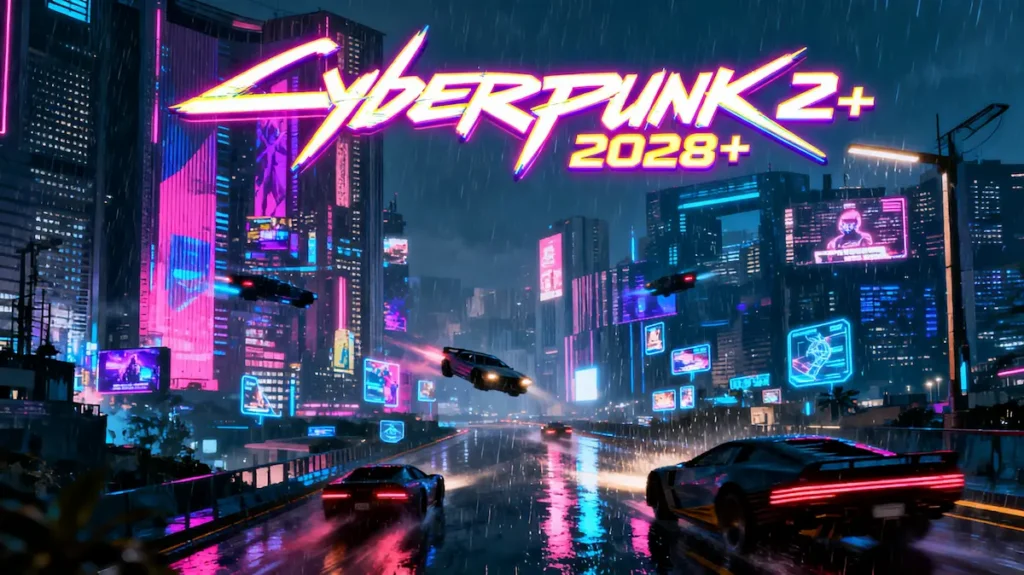
CD Projekt RED has been candid about the project’s long timeline, stating that Cyberpunk 2 will not release before 2028, and that a later window is still possible depending on development progress. This schedule lines up with the studio’s typical four‑to‑five‑year cycle from pre‑production to launch and also accounts for the time required to fully ramp up the expanded team. Industry analysts note that many modern AAA open‑world games now require six to eight years of development, so an early‑2030 launch remains within the realm of expectation if unforeseen delays occur.
The cautious messaging is a direct response to the troubled debut of Cyberpunk 2077 in 2020, when technical problems and last‑minute changes damaged the studio’s reputation. By setting conservative expectations up front, CD Projekt is trying to reduce pressure on the team and avoid repeating a rushed release, particularly as it balances work on The Witcher 4, several other Witcher projects, and a new original IP alongside Project Orion.
Unreal Engine 5: CDPR’s Biggest Technical Gamble

Perhaps the most significant shift for Cyberpunk 2 is the move from the studio’s proprietary REDengine to Unreal Engine 5, undertaken as part of a long‑term partnership with Epic Games. CDPR has already showcased a Witcher 4 tech demo running at 60 frames per second on PlayStation 5, demonstrating large open‑world environments built using UE5 tools such as Nanite, Lumen, and the new animation framework. These same systems will underpin Project Orion, giving the team access to a wider ecosystem of tools and middleware than before, as well as shared improvements from Epic’s ongoing engine updates.
Developers have acknowledged that re‑creating CDPR’s trademark dense cityscapes and complex RPG systems inside a new engine requires new workflows, retraining, and extensive prototyping. The upside is a more scalable and standardized technology base; the downside is a higher risk of delays and early technical hurdles, which partly explains why Cyberpunk 2’s release window stretches beyond 2028. CDPR has also indicated that future big releases, including Cyberpunk 2, will target current‑gen hardware only—PC, PlayStation 5, and Xbox Series consoles—to avoid cross‑gen compromises that hurt performance last time.
What Project Orion Means for Cyberpunk’s Future
With Cyberpunk 2077’s reputation largely rehabilitated and its sales now surpassing 35 million copies, Project Orion arrives with both high expectations and a cleaner slate than the original game enjoyed at launch. CD Projekt RED has the opportunity to build on systems that players loved—such as immersive city design and narrative depth—while addressing long‑standing criticisms around AI behaviour, progression balance, and endgame content, which the studio has repeatedly highlighted as priorities after Phantom
Liberty. The expanded team, cross‑continent collaboration, and UE5 toolkit suggest a sequel that aims to be bolder, more stable, and technically more impressive from day one.
For now, fans will need patience: most of the coming years will be filled with hiring updates, tech previews, and quiet production work rather than flashy trailers. But if CD Projekt RED can successfully combine its narrative strengths with the flexibility of Unreal Engine 5 and a current‑gen focus, Cyberpunk 2—Project Orion—has a real chance to become one of the defining sci‑fi RPGs of the late 2020s and early 2030s.

I’m passionate about books and video games. These two great passions represent, for me, a boundless universe where I can “escape” from reality whenever I need or want to. There are so many stories, worlds, and landscapes where I can instantly teleport that I don’t think a whole lifetime would be enough to explore them all (though it would be my greatest dream to be able to).