Last updated on November 17, 2025
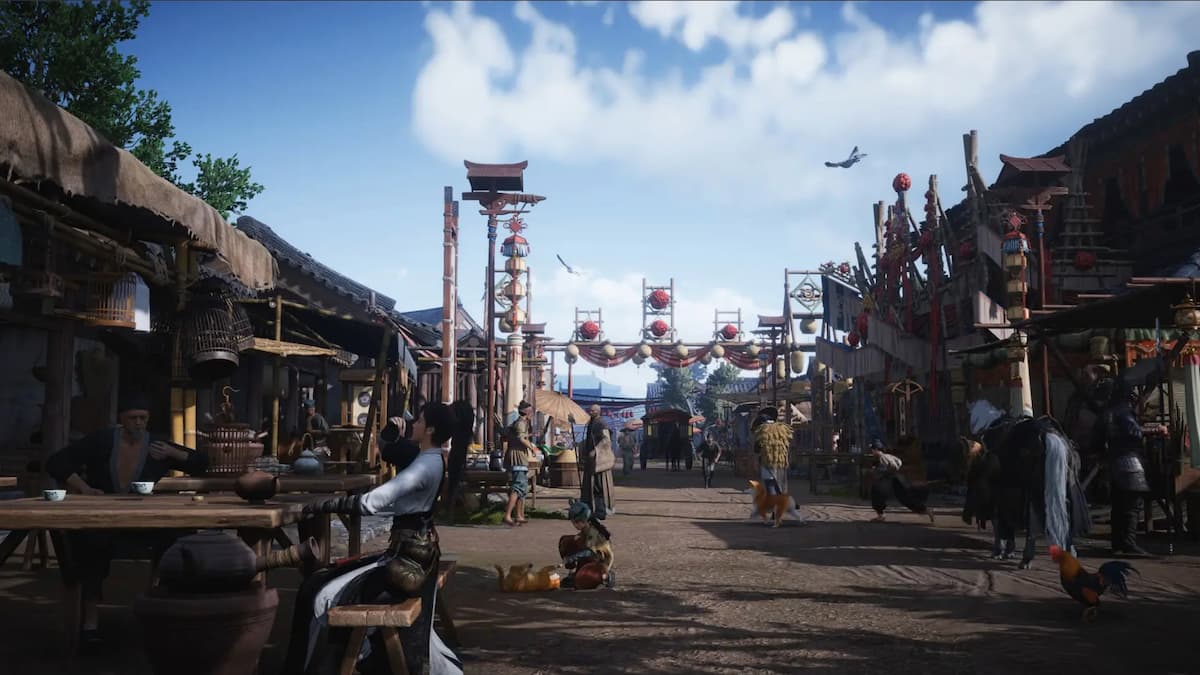
Okay, so Where Winds Meet went global on November 14. I had no idea what I was getting into. I’ve played tons of open-world games with building systems before, and honestly, most of the time it’s either clunky or boring. But this? No joke, this one’s different.

Starting Out: Two Building Systems
So, at the start, there are two building systems. One you get immediately—the individual one. The other, the home base, shows up later. Both use the same menu, which is nice because otherwise I’d have been totally lost. But seriously, when the home base unlocks… oh man. It’s like suddenly someone handed me a blank world and said, “Go nuts.”
I hit F4 to check the menu. Materials, structures, furniture, foundations… all there. And the resources? Straight from the world. So yes, you’ll be chopping trees, smashing rocks, and picking up way too many sticks just because they look nice. I totally went overboard. Some stuff is locked at first, but you can unlock it with in-game money. Nothing crazy, but enough to keep you hunting and exploring.
The cool part—I swear this is fun—you can save your own designs, borrow blueprints from other players, or just mash stuff around in free mode. I spent like… an hour just moving walls and doors back and forth because it “felt right.” Humans do weird things when given infinite options, okay?
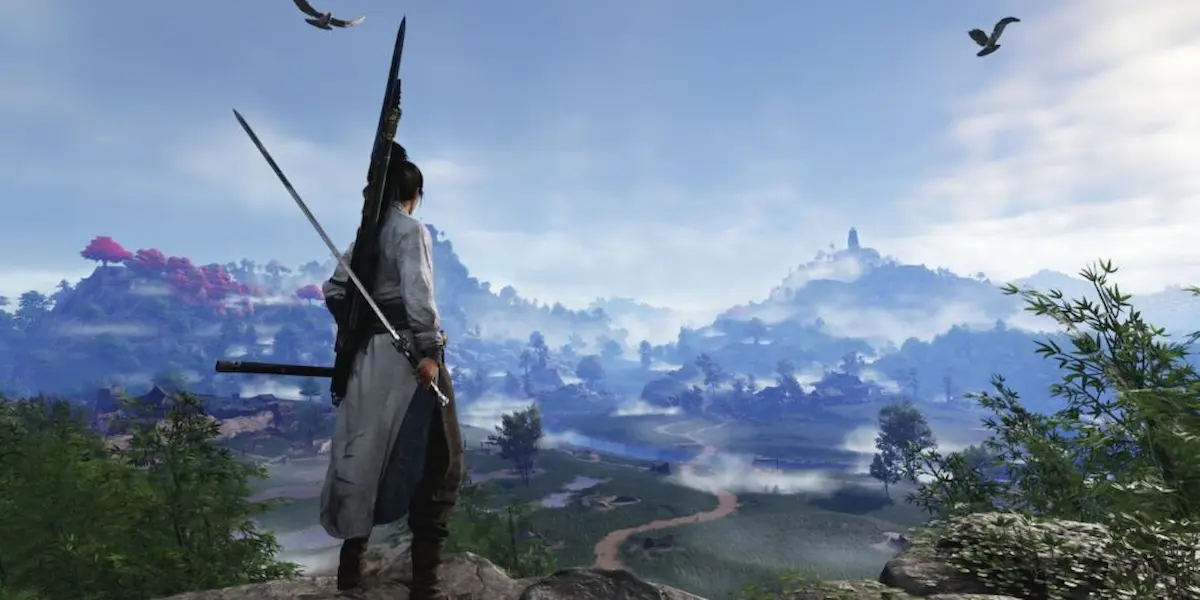
Home Base: Where the Real Fun Starts
Now, the home base… yeah, this is where I started to get obsessed. You get an empty plot. Empty. And suddenly it’s all yours. You can make a farm, an inn, a workshop, maybe a tiny empire if you’re ambitious. I mean, the game even lets you automate stuff later, so you can wander off while your crops grow. Watching it happen while I was exploring? Felt… really satisfying. Weirdly satisfying.
Facilities and How They Work
Facilities are basically the heartbeat of your empire. Pottery, wineries, ink production—they all bring in resources and money. Each facility needs workers and materials, and assigning the right people makes a huge difference. And housing? Super important. NPCs need a place to rest, and farms require attention if you want consistent production. Balance is key, but it’s oddly fun.
NPCs Are Actually Useful
Seriously, these NPCs aren’t just decoration. Recruit them, give them jobs, level up their skills through little tasks… and watch them actually make a difference. A good chef boosts product quality, an efficient farmer keeps your stock stable, and a versatile worker… oh boy, that person saved me more than once. I kinda started caring about their skills, which I did not expect.
Automation Is Life
Once your base grows, automation is your best friend. Auto-farm plots keep producing while you’re off exploring, and facilities can almost run themselves. Plus, the glory system tracks your progress, leveling up your base and unlocking new tools. Watching your little empire slowly grow? Super satisfying.
Freedom to Build (And Tear Things Down)
You can save designs, rebuild in minutes, or even tear down whole areas if you feel like a fresh start. The freedom is huge, and the game really encourages experimentation. Honestly, I spent way too long redesigning one corner of my base because something “looked off.”
Extra Activities and Social Fun
It’s not just about building either. The home base actually feels alive. Missions, mini-games like Mahjong, challenges that reward progress… and you can even invite friends or guild members once you’re ranked enough. These little touches make the base feel like a real place, not just a crafting hub.
Tips for Beginners
Start small. Focus on one facility first—pottery or ink works fine. Gather resources early, use blueprints to avoid mistakes, automate when possible, and recruit NPCs with complementary skills. I learned the hard way that mismanaging even one workshop can screw up your whole operation.
Honestly? Where Winds Meet doesn’t just let you build. It makes building fun. You get a little world that feels alive, and if you let yourself go a bit… you’ll spend hours redesigning, optimizing, watching it grow. Totally worth it.

I write for Need4Games, mostly keeping track of what’s coming next. I cover showcases and release updates, put together quick lists when you just want the highlights, and I’ll post Steam deal roundups when the sales get wild. I play a lot of games, so I tend to look at games through that lens. No overthinking, just: what it is, why it’s interesting, and if it’s actually worth your time. I also stream now and then on Twitch.