
Last updated on December 20, 2025
For years, drivers have relied on Waze and Google Maps as essential copilots, but 2025 was shaping up to be a nightmare for anyone still using an older phone. Early reports warned that both navigation apps would simply stop working on certain Android and iOS devices, effectively forcing millions of users to consider a hardware upgrade just to keep real‑time guidance in their car. Now, a key change in Google’s approach to Waze is easing some of that anxiety and softening what looked like a hard cutoff.
The original 2025 cutoff plan
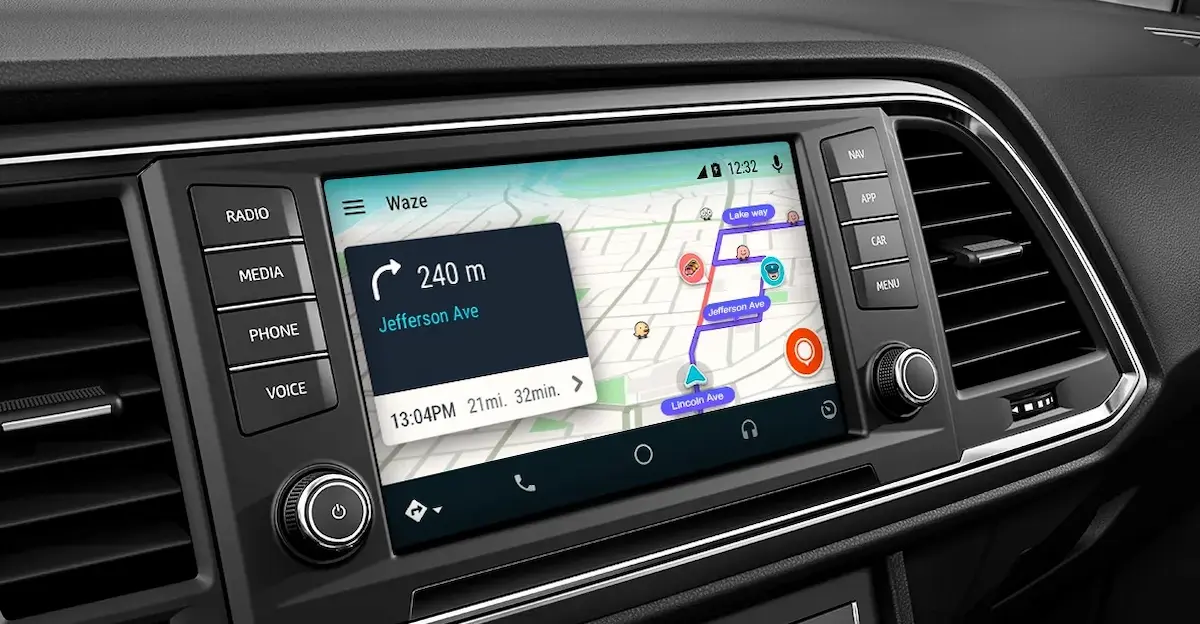
The original plan sounded brutal: Waze would no longer be compatible with Android 8 and 9, and continuing support would require at least Android 10, pushing many pre‑2019 phones to the sidelines. On the iOS side, devices stuck below iOS 15 were also at risk of being left behind, mirroring the tougher requirements already being communicated for Google Maps updates. In practice, that meant older but perfectly functional phones and dedicated car units were suddenly treated as obsolete for navigation.
Maintenance mode for older devices
The updated policy for 2025 draws a clearer and more flexible line. Instead of cutting off access completely, Google is shifting Waze on older systems into a maintenance‑style mode. Users on devices that no longer meet the latest requirements will still be able to run the app, but they will not receive new features or full, frequent updates going forward. Security fixes and critical patches remain the priority, while big feature upgrades are reserved for phones and tablets on newer Android and iOS versions.
What changes for everyday drivers
This change may sound subtle, but for everyday drivers it makes a huge difference. Someone using an older Android device dedicated to the car, or a longtime iPhone owner who has not upgraded in years, no longer has to abandon Waze overnight just because of a stricter compatibility list. Navigation will keep working, alerts will still show up, and the core experience remains intact, even if the latest experimental options and interface refinements do not arrive on that hardware.
A tiered future for Waze
From Google’s side, the updated stance balances two competing pressures: the need to push the platform forward, and the reality that many users simply hold onto their devices much longer than the ideal upgrade cycle suggests. New versions of Android, such as Android 16, bring features that expect more storage, better performance, and modern security standards, making it harder to support every feature on much older systems indefinitely. At the same time, completely cutting off access to navigation in traffic for older devices risks angering exactly the kind of loyal user who opens these apps every single day.
The 2025 Waze update shows that the company is not willing to push those users out all at once. Instead, the app is moving toward a tiered experience: the newest phones get all the latest tools, while older hardware keeps a stable, reliable core version for as long as possible. For drivers, that means one thing above all: Waze will continue to guide them through traffic in 2025, even if their phone is no longer brand‑new.

I’m passionate about books and video games. These two great passions represent, for me, a boundless universe where I can “escape” from reality whenever I need or want to. There are so many stories, worlds, and landscapes where I can instantly teleport that I don’t think a whole lifetime would be enough to explore them all (though it would be my greatest dream to be able to).