


Last updated on March 11, 2026
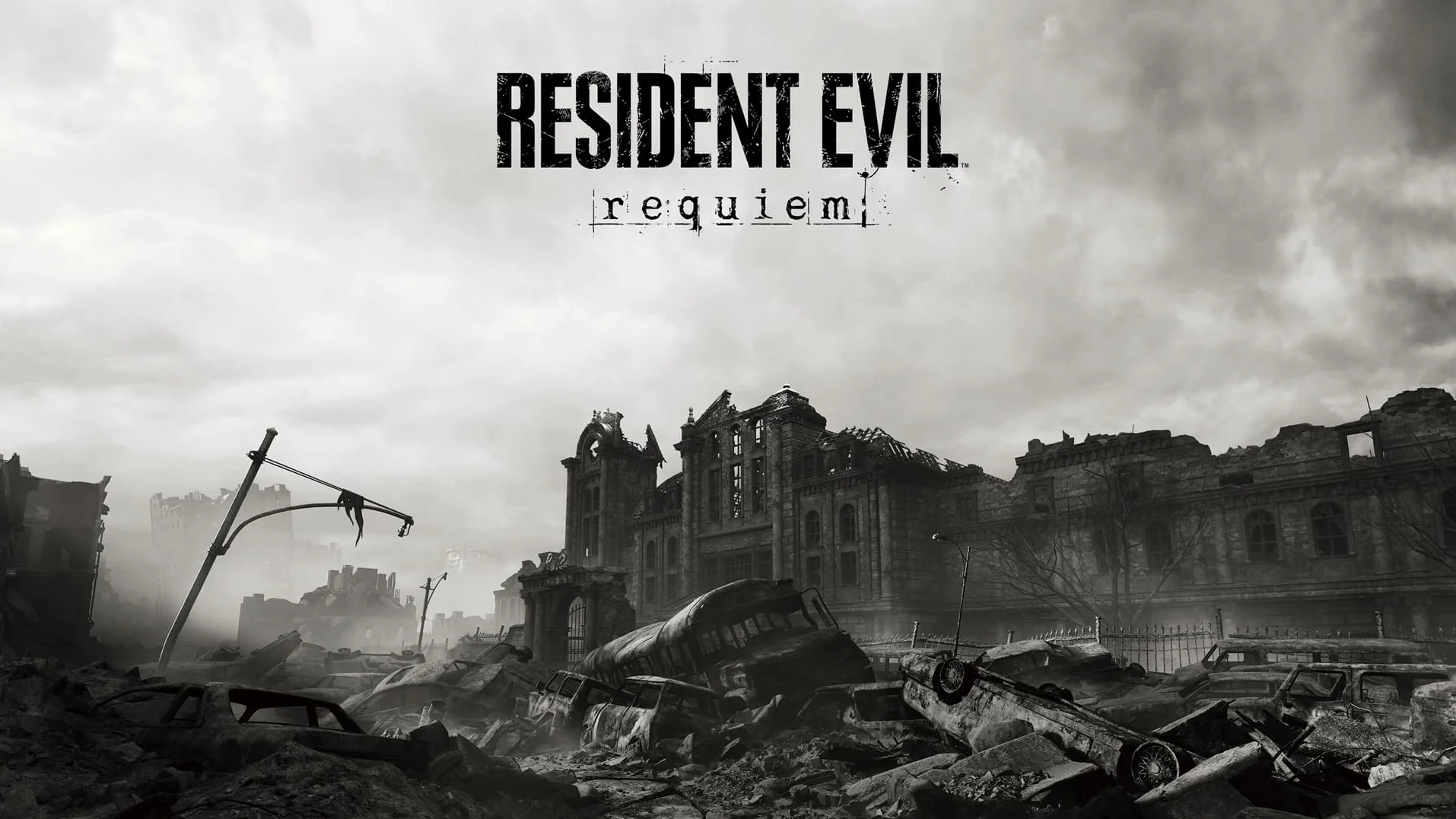
Resident Evil Requiem could easily have been a lazy celebration piece for the thirtieth anniversary of the series. Instead, Capcom delivers one of the most confident and complete games the franchise has seen in years, a title that pulls ideas from classic entries, the recent remakes and the first person reboot, then mixes everything into a single nightmare that almost never loses momentum.

Story and structure two paths into the same nightmare
The campaign switches between two leads. Leon S Kennedy returns in full action hero mode, while newcomer Grace Ashcroft works as an FBI analyst dragged into a disaster that is clearly above her pay grade. Their paths intersect and diverge in a structure that echoes the old A and B scenarios, but this time the transitions are seamless rather than split into separate saves.
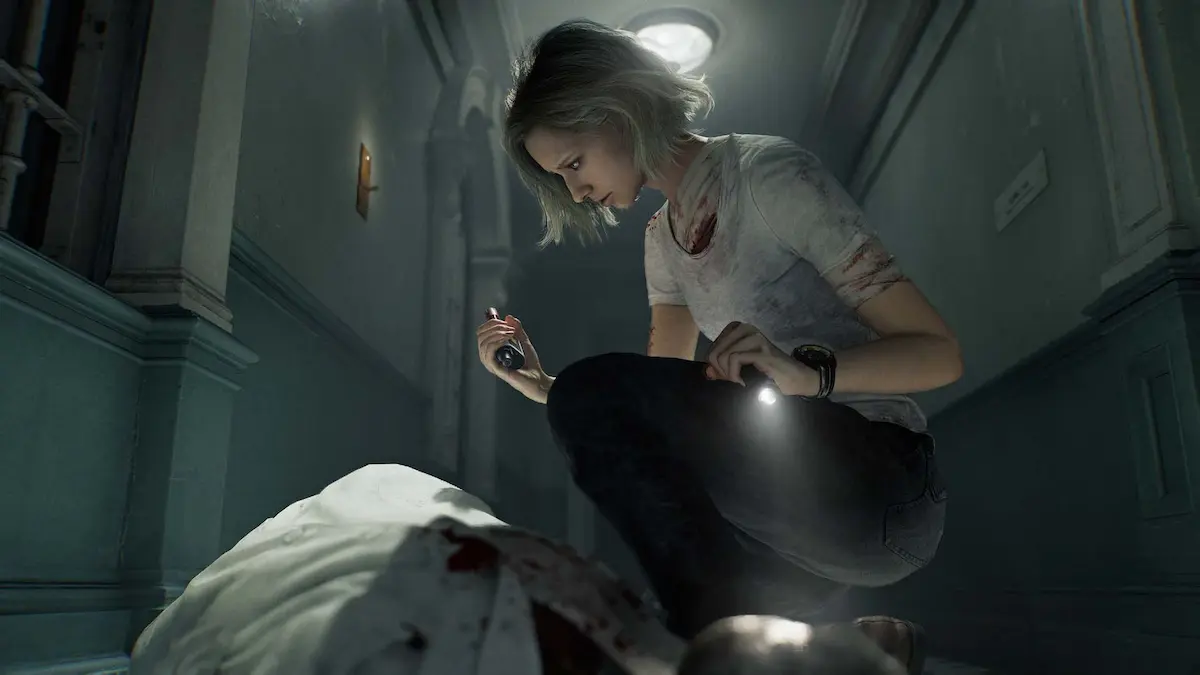
Grace explores places like the Rhodes Hill clinic in classic survival horror fashion. Limited ammo, tight corridors and deliberate camera work keep tension high. Saving in Classic mode uses crafted ink ribbons, a direct nod to the PlayStation roots. Leon by contrast gets the release valve moments. He moves through wider arenas, tackles larger enemy groups and benefits from more generous checkpoints, which stops the game from becoming exhausting.
Tonally the story leans closer to a dark thriller than to the campier parts of the saga. References to films like Seven are obvious, with a focus on investigation, guilt and the cost of living through too many bio terror incidents. The script still has that familiar mix of sincerity and schlock, but it rarely feels cheap. Most reviewers agree that while Requiem does not radically reinvent the narrative side, it ties up many loose ends and sets up future arcs in a satisfying way.
Gameplay balance between terror and power fantasy
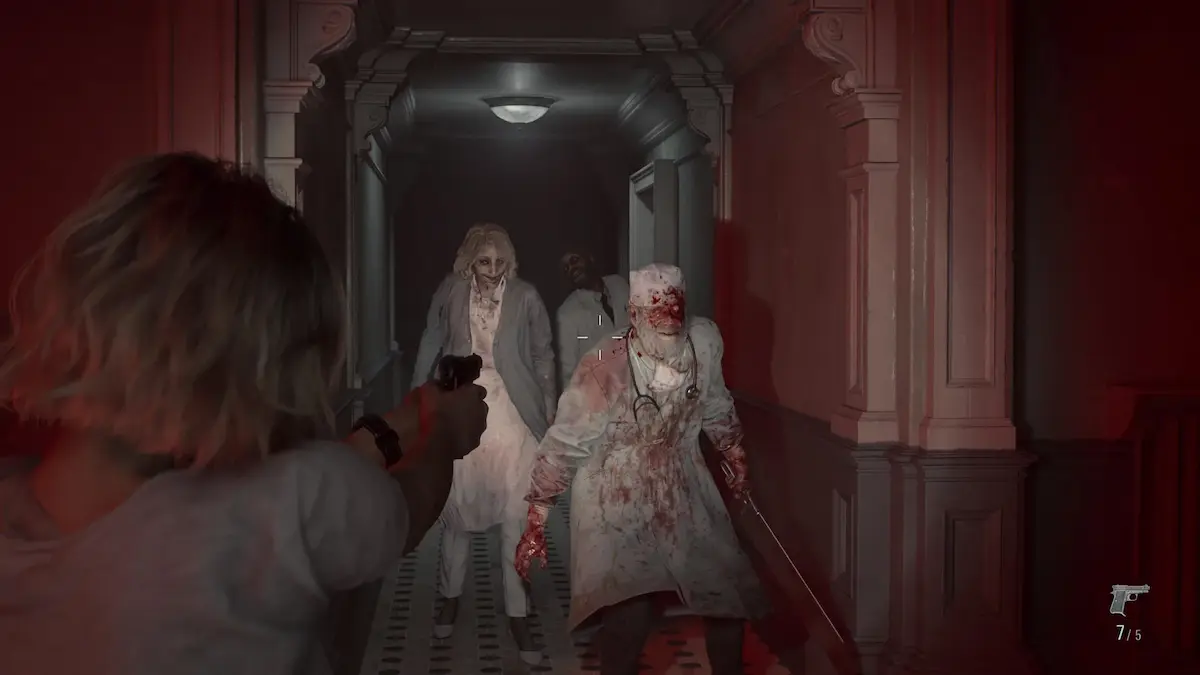
Moment to moment, Requiem is a careful compromise between slow horror and explosive action. Playing as Grace is pure survival. You creep around infected staff and malformed patients, manage a tiny inventory and think twice before spending a single bullet. Doors are locked with absurd gemstone puzzles, fuse hunts return and backtracking is encouraged to open shortcuts and grab supplies, very much in the spirit of the mansion or the police station.
Leon sessions are where the new combat systems shine. Limb targeting is more important than ever. Shooting a zombie in the knee opens them to a roundhouse kick, while a well placed headshot transitions into brutal finishers that feel like a refinement of Resident Evil four remake. Leon can grab explosive canisters and throw them, pick up enemy weapons from the ground and send them back with satisfying thuds. The game happily showers you with gore, and several outlets call this the most violent entry in the series so far.
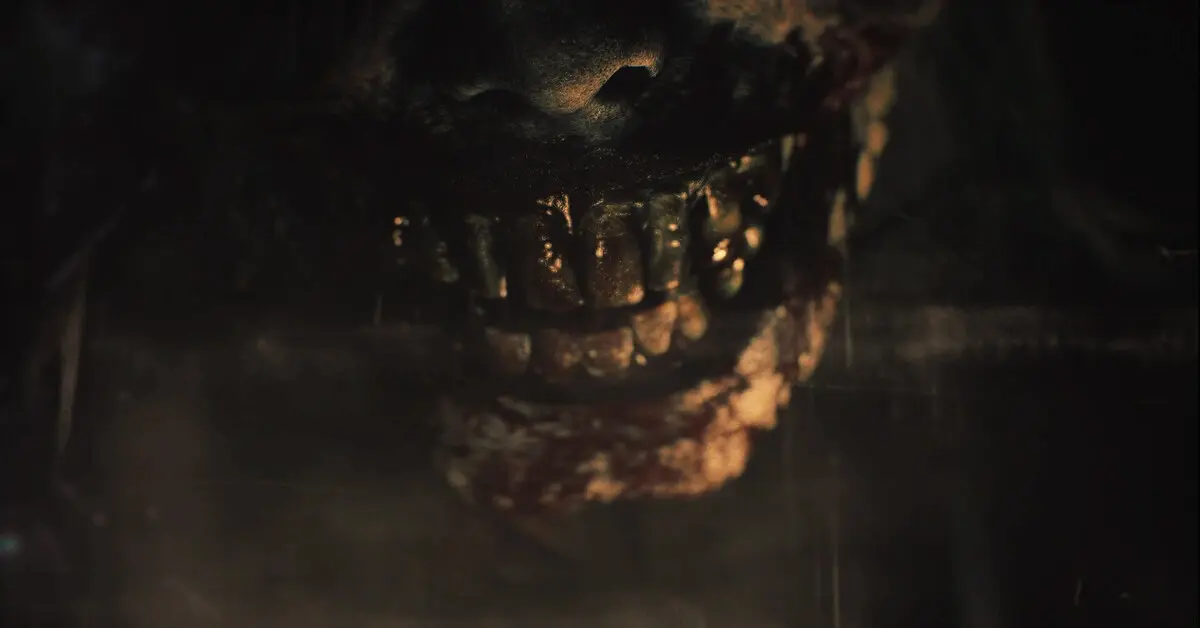
A nice touch is that enemies are not simply bags of hit points. The new strain creates infected who sometimes try to switch off lights rather than attack directly, or who react logically when you try to kite them around furniture. Boss encounters are not all perfect, and the finale pushes things close to self parody, but overall combat has weight and clarity. As difficulty climbs, mastery of spacing, quick turns and resource routing becomes crucial.
Atmosphere, graphics and sound design
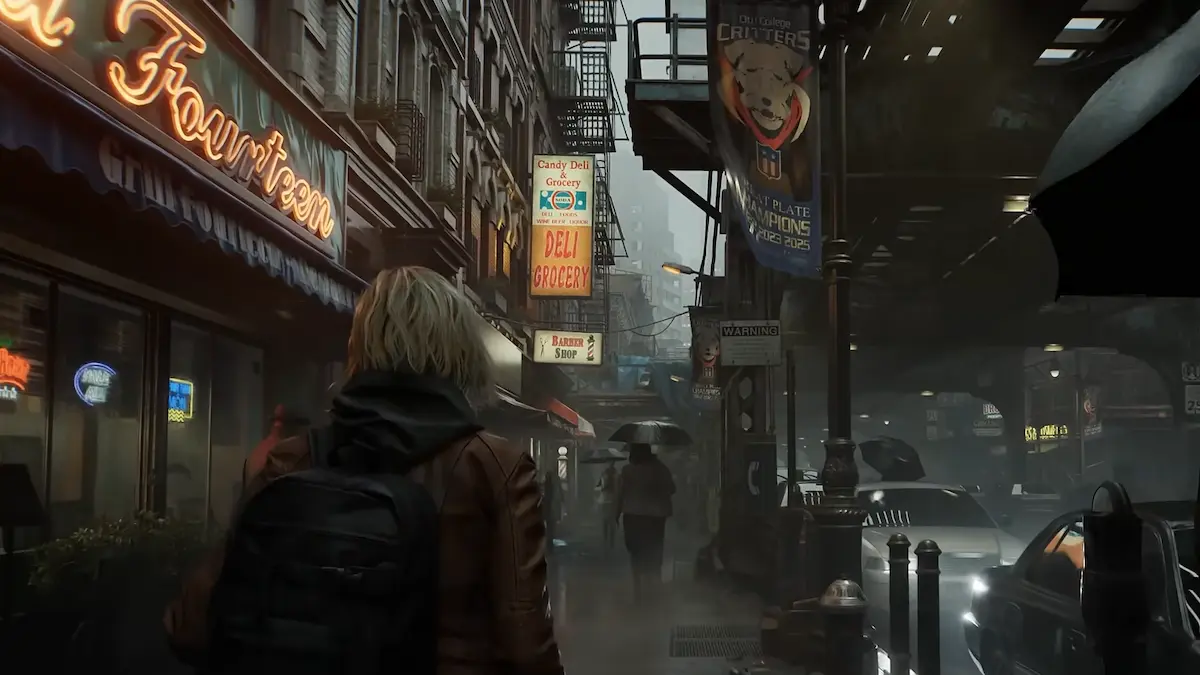
Technically, Requiem is another showcase for Capcoms RE Engine. On current generation consoles and a decent PC, the game runs at high frame rates with crisp image quality and elaborate lighting. Hospital corridors glisten with grime, city streets feel wet and sticky, and monster designs sit somewhere between body horror and tragic caricature. Journalists who tested it on high end hardware mention near perfect performance at four K with all settings cranked.
Sound is even more impressive than visuals. The soundtrack knows when to disappear completely, leaving you alone with fluorescent buzzing, distant shuffling and the occasional muffled cry behind a door. Footstep reverb, breathing, gunshots in tight rooms and distorted radio messages all contribute to a constant edge of unease. Played with headphones, the game becomes physically tiring in the best way.
Pacing, length and replay value
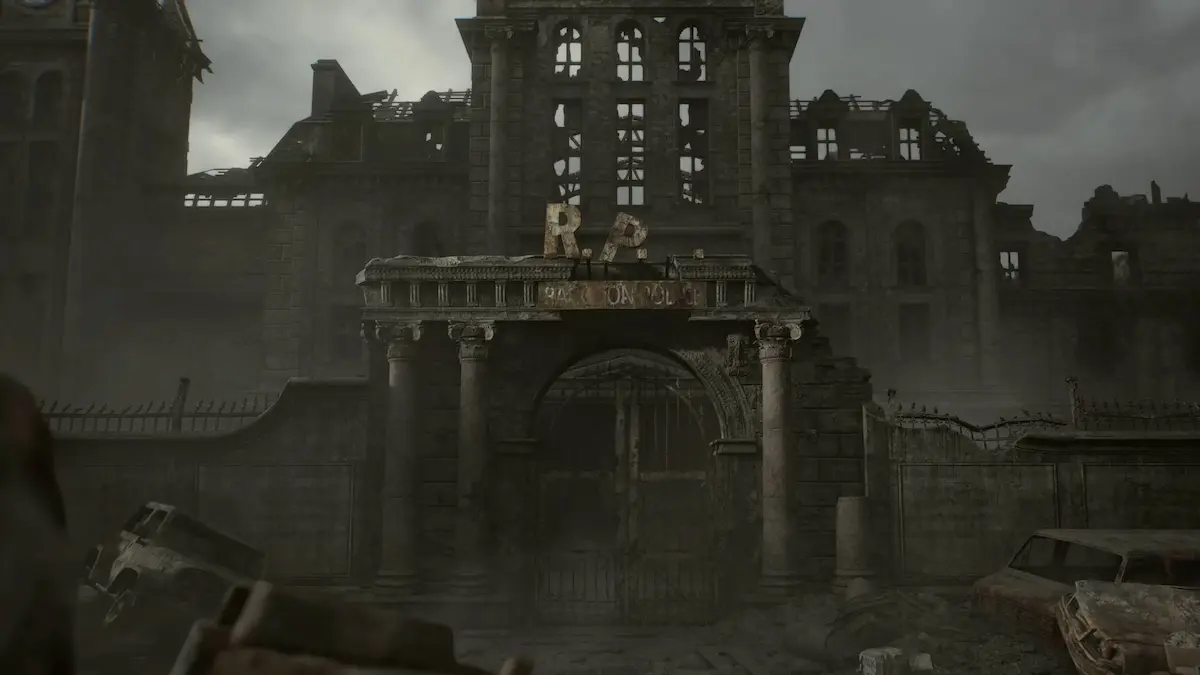
The main story takes roughly twelve to fifteen hours depending on difficulty and how thoroughly you search areas. That makes Requiem more compact than some recent releases but denser in meaningful encounters. The dual perspective design encourages at least one replay, and higher difficulties plus the traditional extra modes give fans reasons to return. Some critics feel the second half repeats encounter types too often, yet even they acknowledge that the campaign rarely drags for long stretches.
Unlockable modifiers, classic and modern control schemes and optional aim assists open the door for both veterans and newcomers. Old school players can disable most helpers, lean into limited saves and enjoy the constant fear of running out of herbs before the next safe room. New players can keep generous autosaves and focus on the spectacle without losing the survival flavour.
Verdict a confident celebration of thirty years of horror

Resident Evil Requiem will not surprise you with wild experiments. It does not shift to open world, it does not turn into a live service, and it does not abandon the structure fans know. Instead, it feels like a carefully chosen best of album that also manages to sound new. Grace brings fresh vulnerability, Leon embodies the over the top side of the brand, and together they carry one of the strongest campaigns Capcom has produced since Resident Evil four.
Critic scores confirm the impression, with a high average and plenty of outlets calling it a top three entry for the entire saga. It is not flawless, but the mixture of polished combat, oppressive horror, strong level design and confident pacing makes its rough edges easy to forgive. If you care about survival horror at all, Resident Evil Requiem is not just another numbered sequel. It is a statement that this thirty year old series still has teeth and is not ready for the grave yet.

I’m passionate about books and video games. These two great passions represent, for me, a boundless universe where I can “escape” from reality whenever I need or want to. There are so many stories, worlds, and landscapes where I can instantly teleport that I don’t think a whole lifetime would be enough to explore them all (though it would be my greatest dream to be able to).



The only downside of RE Requiem is the duration. It’s a short but such an intense experience. I really love how they concieved the gameplay for Grace and Leon, making it various but faithful to survival horror genre. A must for the fans of the saga!