
Metroidvania fans will instantly feel at home with Shinobi: Art of Vengeance, especially if they come from titles like Blasphemous, Hollow Knight or classic Castlevania. The game is developed by Lizardcube and published by Sega, and it manages to surprise even veterans of the genre with how polished every element feels. Despite coming in as a newcomer to the Shinobi series, the experience quickly proves strong enough to stand shoulder to shoulder with the best side‑scrolling action games of recent years.
What makes this new Shinobi special is that it is the first in the franchise deliberately designed with Metroidvania elements in mind. You get non‑linear exploration, meaningful backtracking, and new abilities that gradually open up fresh routes and secrets, all while respecting the arcade roots of the original 1987 game with its more focused, stage‑based structure.

Blistering combat and addictive progression
The heart of Shinobi: Art of Vengeance is its fast, responsive combat, which constantly pushes you to refine your skills. There is a generous selection of active abilities and passive bonuses to unlock, whether by advancing through the story, uncovering hidden areas, or clearing combat challenges tucked away in the world. The wide variety of combos and the sheer speed of the character make every encounter feel dynamic, to the point where it becomes the kind of game you rush home to play for “just one more run” that turns into hours.
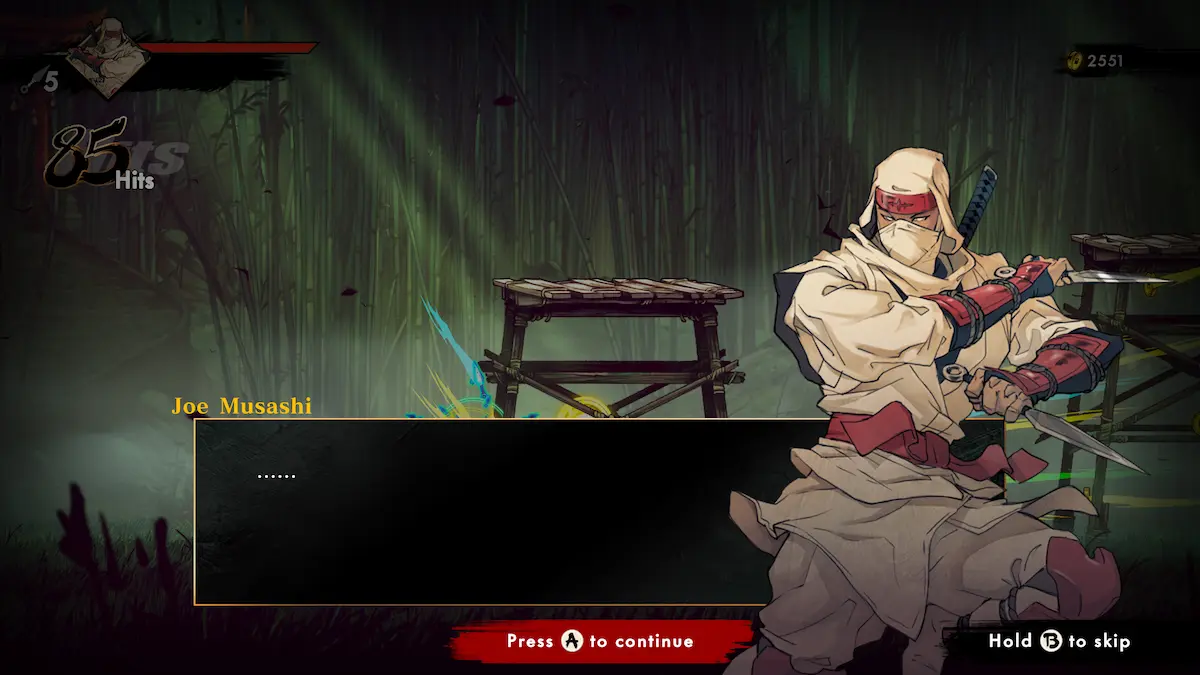
Accessibility is also a priority, with difficulty options reminiscent of those seen in Doom: The Dark Ages, allowing players to tailor how punishing the experience feels without losing the core intensity. These settings become crucial in S‑Rank challenges, where each level demands speedrunning routes and building enormous hit streaks to break past the 65,000‑point threshold. Level design stays consistently strong, with only occasional spikes in difficulty and a few minor platforming bugs that never cross the line into game‑breaking frustration.
Superb art direction and a distinct visual identity
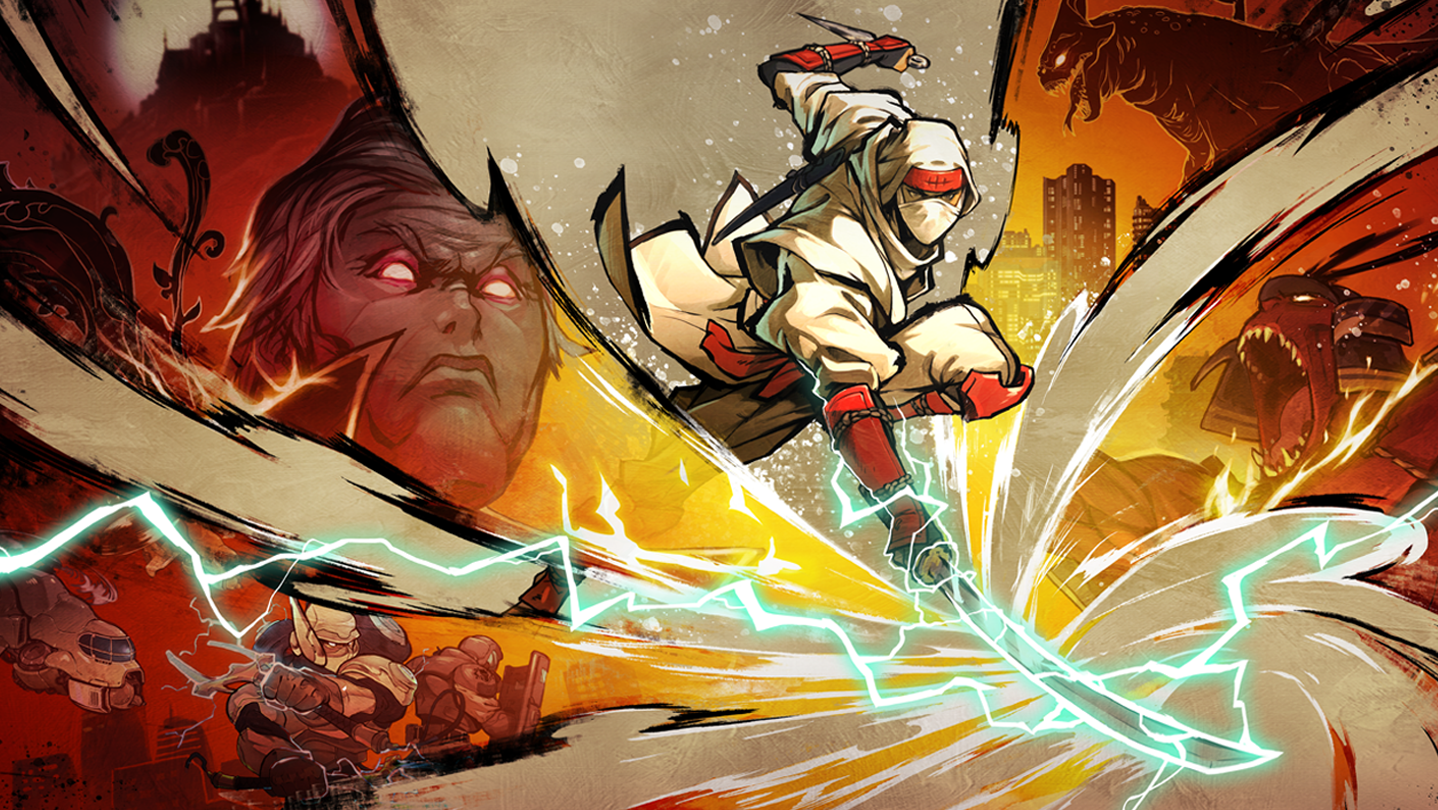
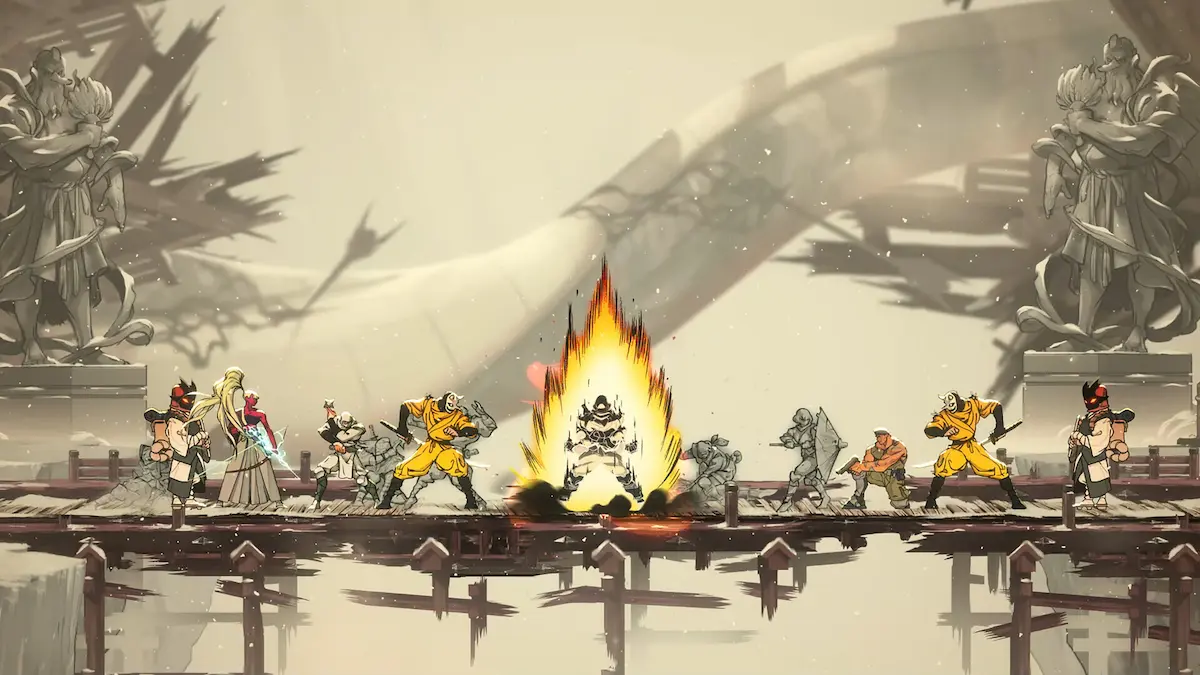
Visually, Shinobi: Art of Vengeance is a showcase for how powerful a strong artistic direction can be. The game leans into an anime‑inspired aesthetic with a touch of comic‑book flair, evoking influences that might remind some players of Marvel’s stylized panels rather than traditional pixel art. Backgrounds and character designs are especially impressive, creating a world that feels alive, fluid, and immediately recognizable.
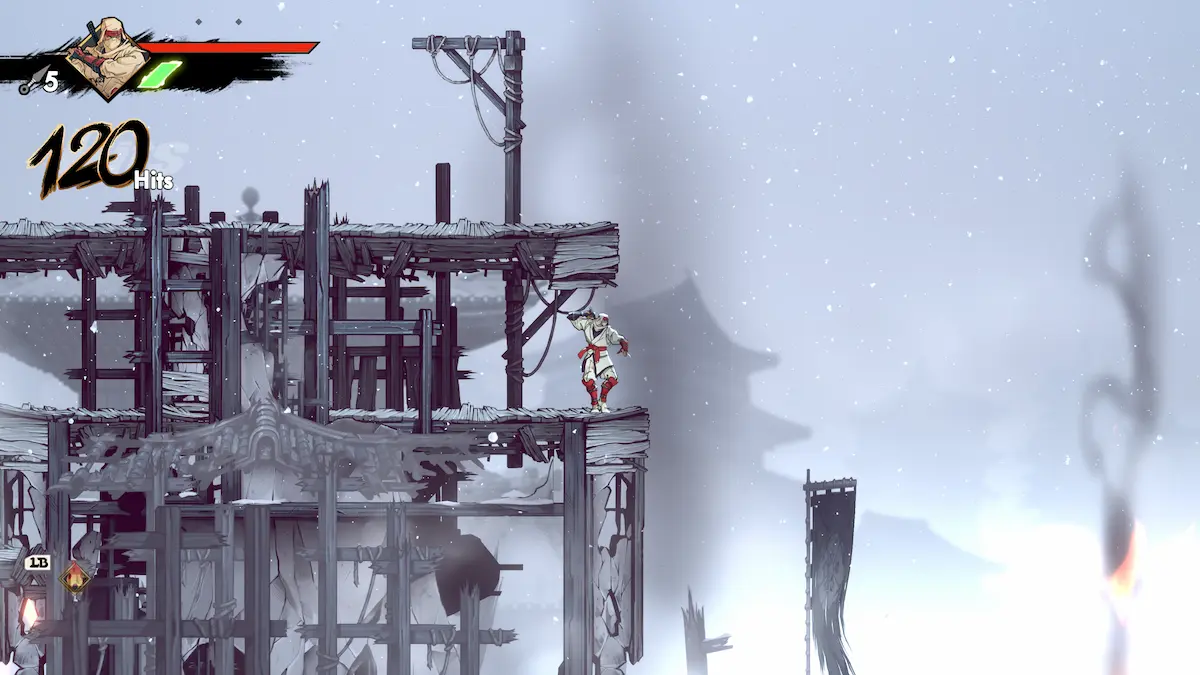
Compared to other standout action titles like Ninja Gaiden: Ragebound, Shinobi opts for more detailed environments and less emphasis on chunky pixel‑art, a direction that suits this kind of nimble, acrobatic ninja adventure very well. The result is a presentation that can comfortably sit alongside the most memorable 2D art seen in recent years, rivaling titles such as Nine Sols and Bo: Path of Teal Lotus in sheer visual appeal.
Sound design and music worthy of a ninja legend
The audio design is every bit as refined as the visuals, with both sound effects and music working together to amplify the flow of combat. Ambient moments are calm and almost meditative, but when the action ramps up, the soundtrack hits with an energy boost that feels perfectly tuned to slicing through waves of enemies. Every footstep, sword slash and thrown shuriken has a distinct, satisfying impact, reinforcing the sense that nothing in the soundscape was left to chance.
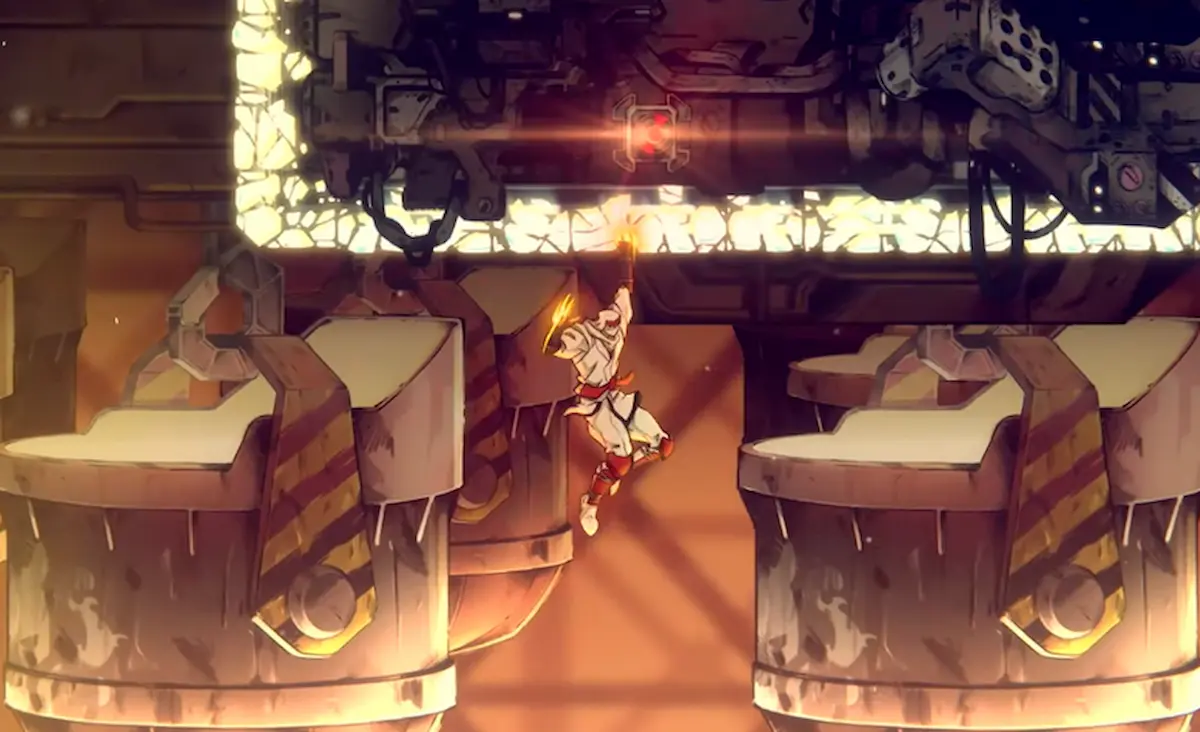
Musically, the score strikes a fine balance between modern and retro, echoing the spirit of classics while using contemporary production to keep everything fresh. Players who enjoyed the soundtracks of Streets of Rage 4 or TMNT: Shredder’s Revenge will instantly recognize this approach: a smart blend of nostalgia and new ideas, crafted by a composer who clearly understands how to support an action‑heavy experience.
Joe Musashi’s revenge tale
Story‑wise, Shinobi: Art of Vengeance keeps things direct and focused, much like many action‑adventure and hack‑and‑slash games from the PlayStation 3 era. The introduction does not aim to reinvent narrative structure; instead, it gets quickly to the point and lets the gameplay carry most of the emotional weight. The protagonist, Joe Musashi, returns as the leader of the Oboro clan, having been absent for years before discovering that his village has been destroyed and his loved ones attacked by the main antagonist’s forces.
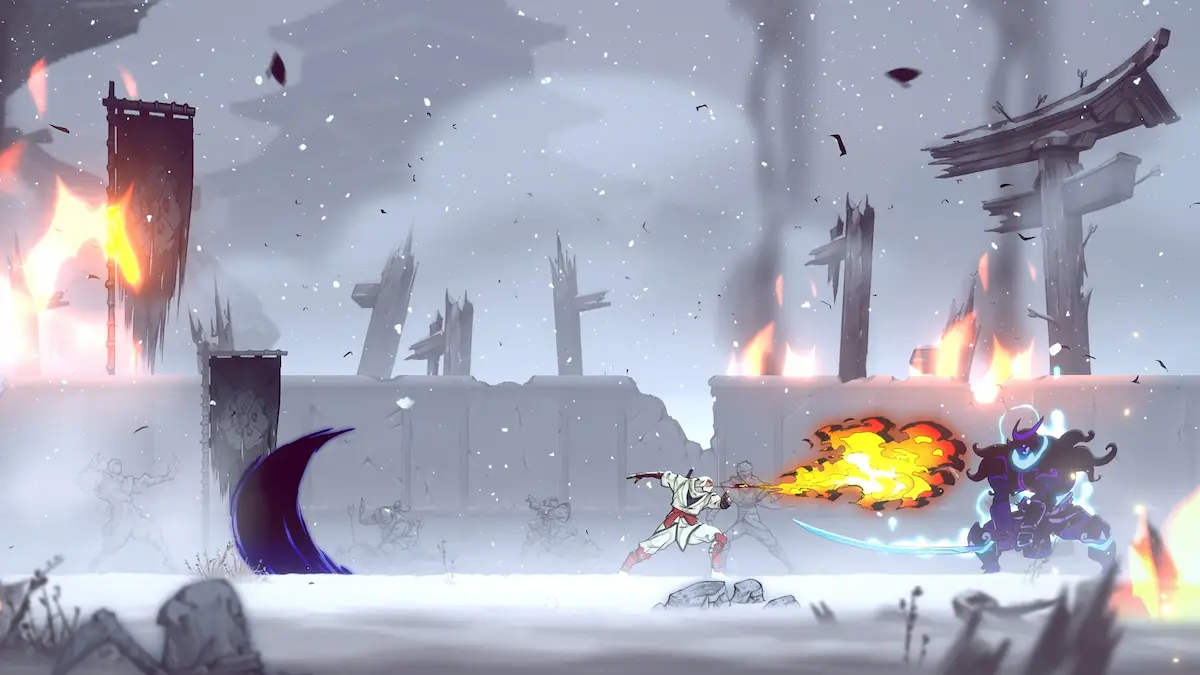
The action unfolds in Japan and revolves around a classic revenge premise, filled with silent moments that say more than lengthy dialogue ever could. Musashi remains a stoic figure, closer to the “edgy” archetypes seen in older action games than to a quippy modern hero, which fits well with the story’s tone of loss, duty, and retribution. While the plot may not be the highlight of the experience, it provides a solid backbone for the intense gameplay and stylish presentation.
One of the year’s standout action games
Taken as a whole, Shinobi: Art of Vengeance delivers a package that is hard to fault for fans of demanding action games and Metroidvania design. The combat is exhilarating, the progression is rewarding, and the art and music elevate the entire experience to something truly memorable. Difficulty spikes can occasionally lead to late‑night frustration, but they also contribute to the satisfaction of finally mastering a tough level or securing that elusive S‑Rank clear.
With all these strengths combined, the game easily earns its place among this year’s most impressive releases and can legitimately be considered a full‑fledged Game of the Year contender in the action genre. For anyone who loves skill‑based combat, rich 2D worlds and a modern spin on a legendary Sega franchise, Shinobi: Art of Vengeance is almost impossible to ignore.
Final score
— 9.8/10 —

I’m passionate about books and video games. These two great passions represent, for me, a boundless universe where I can “escape” from reality whenever I need or want to. There are so many stories, worlds, and landscapes where I can instantly teleport that I don’t think a whole lifetime would be enough to explore them all (though it would be my greatest dream to be able to).