
Last updated on April 28, 2026
Pokémon Pokopia arrived on the Nintendo Switch 2 and immediately captured players’ hearts. The premise is quietly melancholic but warmly hopeful: humans have mysteriously vanished from the world, leaving Pokémon to roam freely through a landscape of ruins. You step into the role of Ditto and your mission is to rebuild harmony by crafting habitats, luring wild Pokémon, and slowly breathing life back into a broken world.
After sinking 30 hours into it, it’s easy to see why fans are already calling it one of the finest entries in the franchise’s 30th anniversary lineup.

Gameplay Deep Dive
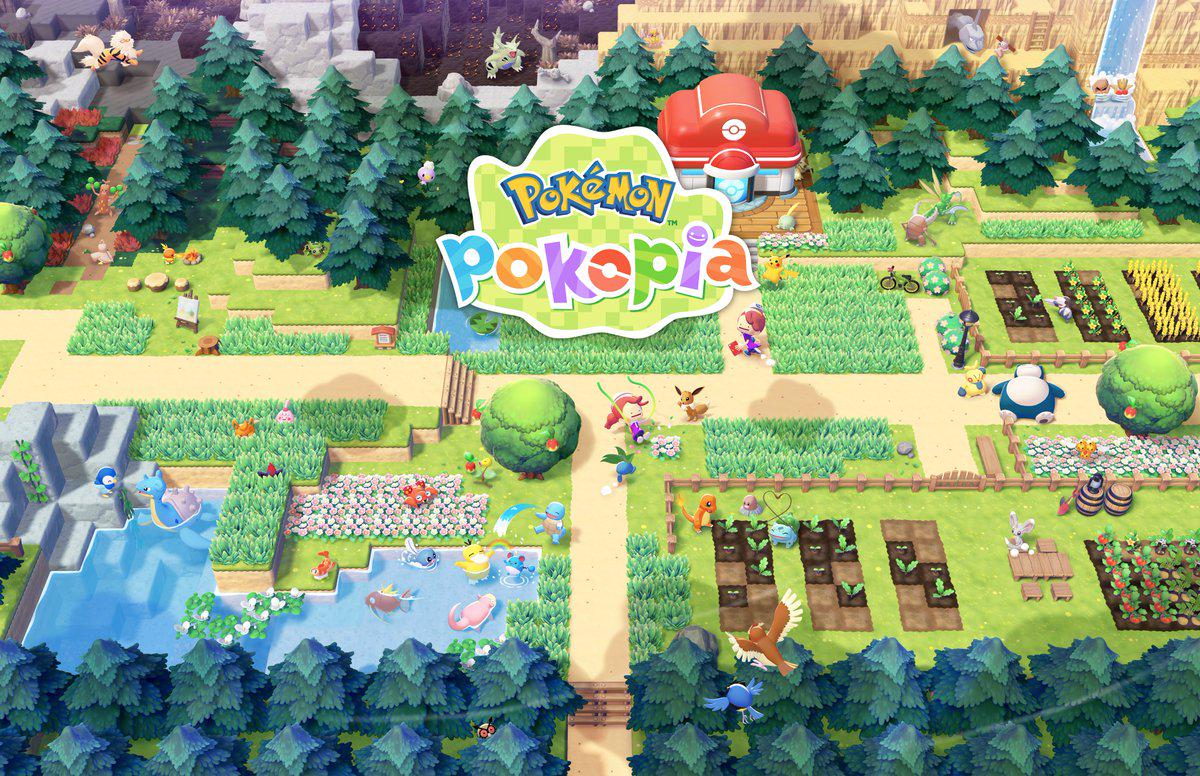
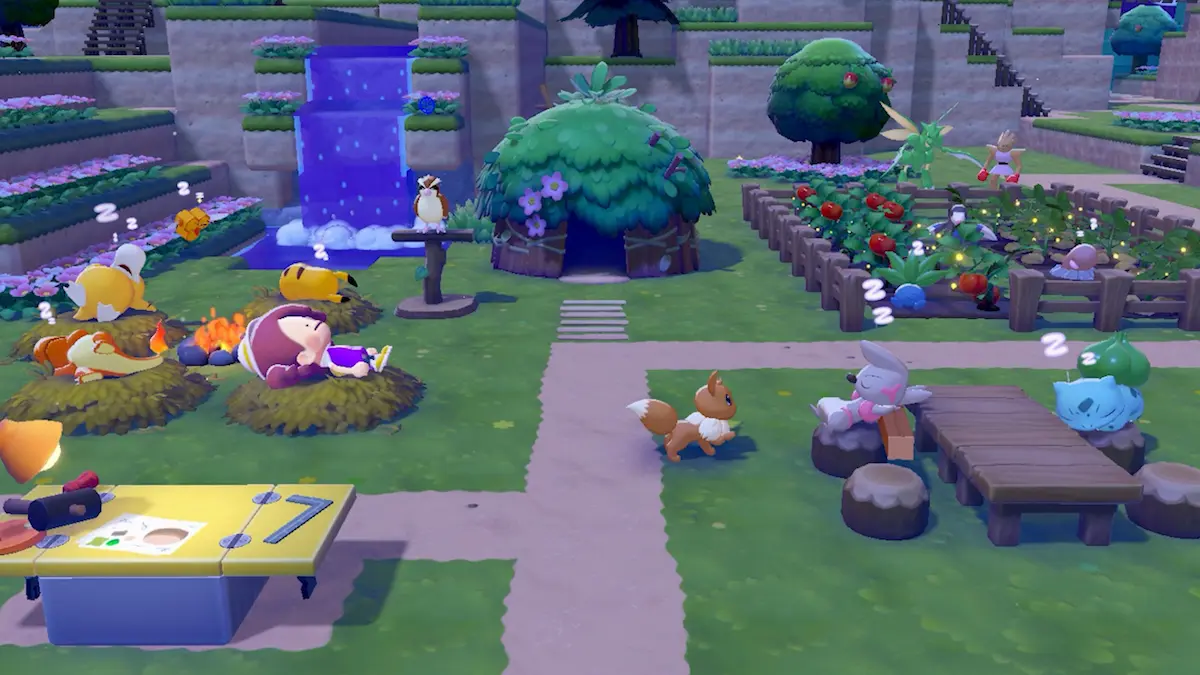
The game opens with Ditto waking up in total ruins. Your first tasks, handed out through a PokéDex-style quest system, are simple enough: plant grass patches to attract Rattata, dig small ponds to lure Psyduck, and grow trees to bring in flocks of Pidgey. These early hours act as a gentle tutorial in ecosystem logic. The right environment attracts the right Pokémon, and getting it wrong means starting over, which is actually part of the fun. When you nail a setup, Pokémon don’t just show up; they wander, chat with each other, lend a hand, and make the space feel genuinely alive.
Core Controls
The core building mechanics work through an intuitive toolkit. Ditto can absorb blocks in a Kirby-style vacuum using the Y button, chop logs, mine stone, and hammer together structures with satisfying speed. You can swap between tool bags on the fly mid-build, which keeps the flow uninterrupted. Tutorials introduce mechanics gradually, drip-feeding new tools as you unlock them, and you can revisit any tutorial at any time, which is a small but welcome quality-of-life touch.
Biomes and Late-Game Depth
As you progress, entirely new biomes open up: dense forests, sandy beaches, rocky mountain peaks, floating sky islands for Flying-type Pokémon, and deep caves for Rock and Ground types. Each biome rewards clever habitat combinations, and the late game becomes a satisfying puzzle of layered ecosystems.
Extra Activities
Pokopia also peppers in a variety of side activities to break up the building loop. Mini-games appear regularly, such as jumping rope with Bulbasaur or dancing outside Pokémon Centers, and completing them earns rewards that can be spent on rare items and decorations. Seasonal habitat festivals bring special guest Pokémon to visit your towns.
Build Freedom
The construction system itself is impressively open. You can stack platforms upward into towering vertical structures or tunnel deep underground for subterranean settlements. The one meaningful limitation is that each Pokémon species can only appear once in a single town, meaning no duplicates. This rule initially feels restrictive, but it actually sharpens your decision-making and keeps each habitat design intentional rather than bloated.
Technical Performance and Presentation
The Switch 2 handles Pokopia impressively well. Docked mode locks to a steady 60fps without a hitch, and handheld mode keeps visuals crisp and clean. Load times are minimal, and inputs are responsive with no noticeable lag or jitter anywhere.
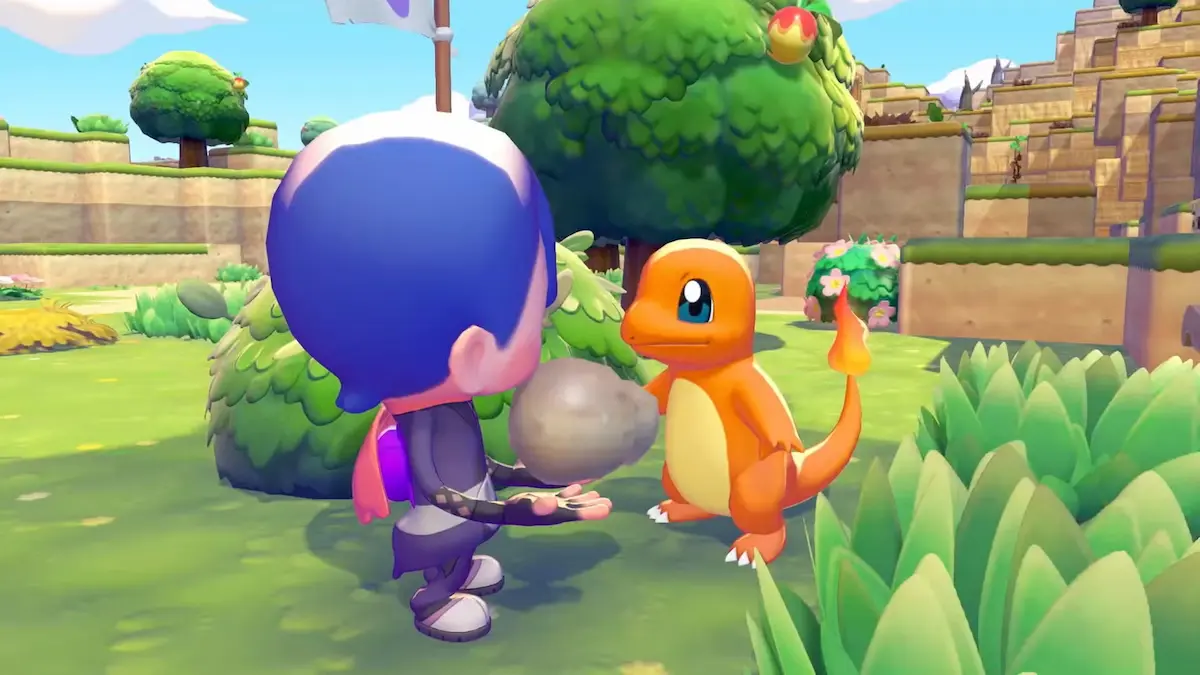
Visually, Pokopia leans into a chibi art style that is utterly charming, with bright, saturated colors that feel genuinely warm rather than garish. The Pokémon themselves are expressive enough that their gestures and animations tell complete little stories without a single word of dialogue. The soundtrack matches the mood perfectly, cozy, ambient, and understated, with gentle environmental sounds like birdsong, water, and rustling leaves that encourage long, relaxed play sessions.
On the technical side, long play sessions are stable and crash-free. The only real complaint is that precision block placement can be slightly finicky on the first attempt, with blocks occasionally slipping out of position.
What Works Really Well
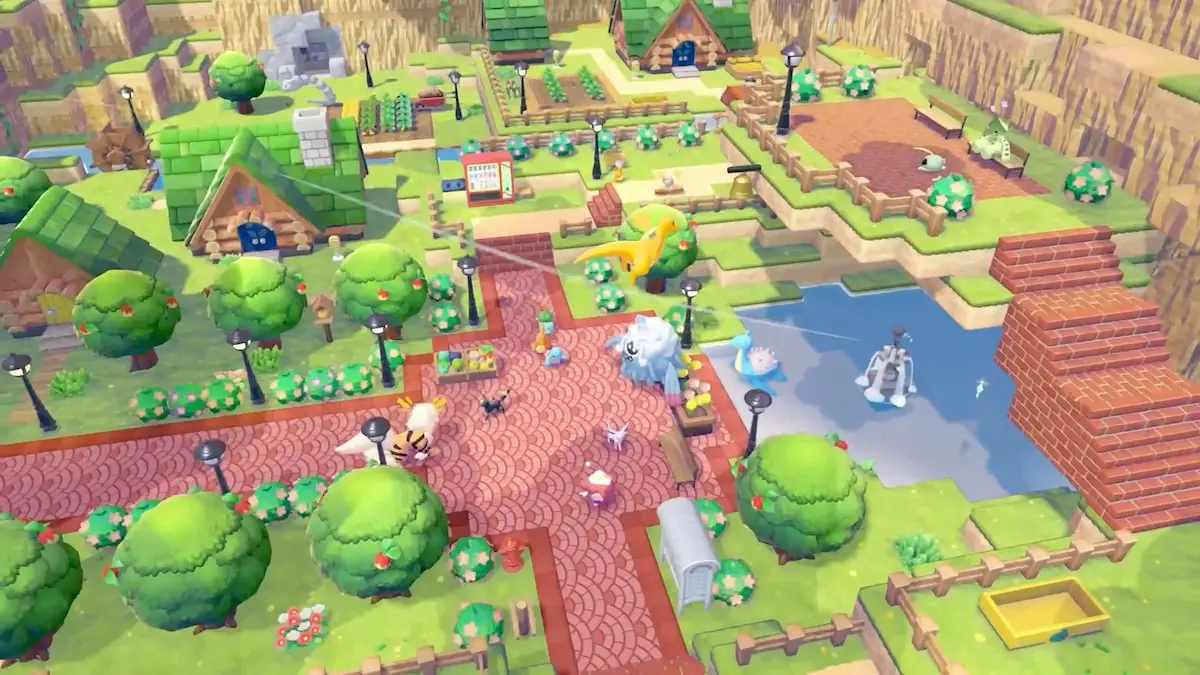
The Pokémons in Pokopia feel like genuine residents rather than decorative props. They wander through your builds, play with each other, take naps in spots you have designed, and occasionally drop dialogue snippets that are small but soul-warming. This brings the world to life in a way that purely mechanical building games rarely achieve.
In terms of genre, Pokopia sits at a smart intersection of Dragon Quest Builders, Animal Crossing, and classic Pokémon, and it executes that blend with real confidence. Veterans of the franchise will find plenty of nostalgia, but the game is equally accessible and charming for younger players coming in fresh.
The PokéDex tracks all 100+ species with hidden secrets scattered throughout for eagle-eyed players. There are also hints of local co-op functionality that, when it arrives fully, should make this a wonderful family game.
Honest Criticisms
Pokopia is not without its frustrations. Early habitat puzzles can feel opaque, and the trial-and-error loop drags a little before you develop an intuition for what each species needs. The one-Pokémon-per-type rule, while smart in theory, can feel limiting when you are deep into a specific habitat hunt. Font size remains an issue for longer sessions, some mini-games feel more like filler than fun, and players who came to Pokopia hoping for battles will find nothing to satisfy that itch.
Who Is This For?
Pokopia is an easy recommendation for fans of cozy simulation games, Pokémon enthusiasts who enjoy the world-building side of the franchise, and families looking for something genuinely fun to play together. It is a must-own for Switch 2 players celebrating the franchise’s 30th anniversary. If your primary draw to Pokémon is competitive battling or gym progression, this is not the game for you, but for everyone else it is a quietly magnificent experience that will swallow hours whole.

I’m passionate about books and video games. These two great passions represent, for me, a boundless universe where I can “escape” from reality whenever I need or want to. There are so many stories, worlds, and landscapes where I can instantly teleport that I don’t think a whole lifetime would be enough to explore them all (though it would be my greatest dream to be able to).