
Last updated on January 31, 2026
Minecraft stands unchallenged as the best-selling game ever, a blocky phenomenon that hooked generations since Notch’s early builds. Jump in fresh on PC today, though, and confusion hits: two editions staring back, Java and Bedrock (once called Windows 10 Edition). Which grabs your cash? Fear not, we break it down clean so you pick smart without regret.
Launched 2011 by Mojang, Java Edition kicked off the sandbox revolution, coded pure in its namesake language. Pocket Edition followed quick for Sony Xperia phones, birthing Bedrock codebase that spread to Android, iOS, consoles, and yes, Windows. Now evolved, Bedrock powers most platforms, Java sticks to desktop roots. Both shine, but cater different crowds.
Platform Support Breakdown
Java Edition runs smooth on Windows (old or new), macOS, Linux. Fire it up on grandma’s ancient laptop or latest MacBook, no sweat. Bedrock demands Windows 10 or later, Store download only. Got Windows 7? Stick Java. Chromebook Linux? Java again. Bedrock locks tighter, but plugs straight into Microsoft ecosystem for easy updates.
Flexibility tips Java for mixed OS homes. Bedrock suits pure Windows 10+ rigs chasing seamless integration.
Cross-Platform Multiplayer Edge
Both pack multiplayer, true cross-play within families, but splits clean between editions. Java links Windows/Mac/Linux pals via dedicated servers or Realms. Huge Realms scene thrives here.
Bedrock steals show: join mobile cousins on Android/iOS, Xbox friends, Switch crews, even PlayStation (minus some Sony quirks). Bedrock Code unifies worlds; build castle with phone buddy, raid dungeons together. Java? Desktop only, no console/mobile bridge. Worlds never mix Java-Bedrock, firewalls firm. Want family server spanning devices? Bedrock rules.
Mods and Customization Wars
Mods crown Java king. Decade-plus community birthed empires: Optifine boosts frames, Fabric/Forge load thousands tweaks from tech overhauls (Create mod factories) to RPG quests (Better Minecraft). Skins, texture packs free galore on CurseForge. Install quick, experiment wild.
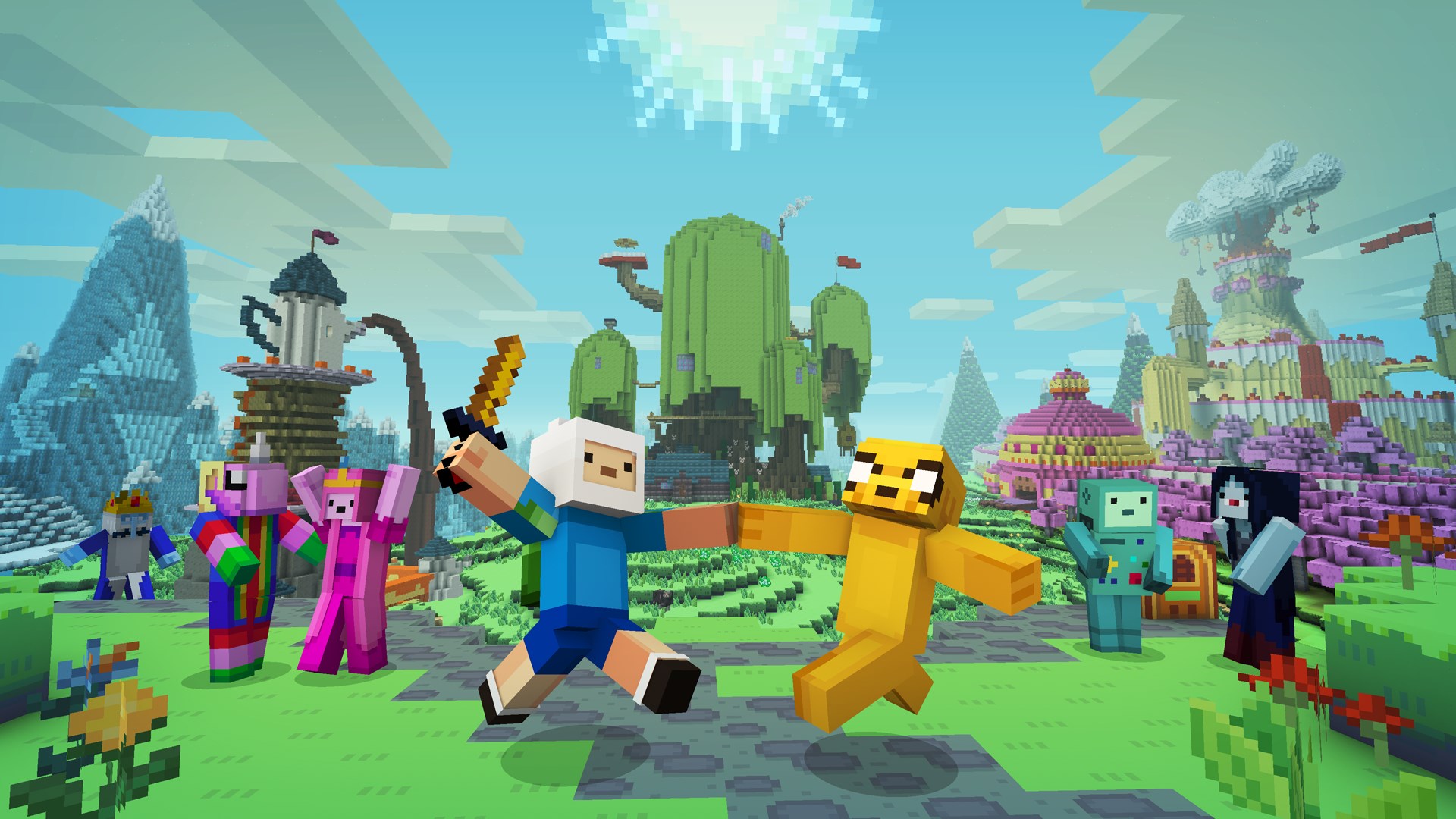
Bedrock lags heavy. Marketplace sells official skins/textures, some free, themed IPs like Jurassic World packs. Add-ons exist via Marketplace or sideload, but scope tiny: no deep code changes, limited behaviors. Community hacks patchy, risk bans. Java modders dream; Bedrock players shop.
Performance Face-Off
Debate rages, but Bedrock often edges everyday play. Auto-scales render distance, simulation based on hardware; weak rigs chug less. Runs Store sandbox, optimized chunks load snappier.
Java devours RAM, but Optifine/Sodium mods crush that. Vanilla Java flexible, manual tweaks unlock beasts on high-end. Low-spec? Both cope, Bedrock forgiving. Potato PC? Bedrock smoother stock. Beast rig? Java mods unleash infinity.
Minor gameplay quirks linger: redstone ticks differ, boat physics tweak, but devs converge features update-by-update. Parity pushes close yearly.
Other Key Notes
Java packs snapshots for bleeding-edge tests, console commands god-tier. Bedrock Marketplace monetizes creators, realms cheaper. Java snapshots experimental; Bedrock stable. Both offline single-player rock, infinite worlds procedural magic.
Future? Bedrock Microsoft’s “default,” dev focus tilts there post-Microsoft buyout. Java safe, eternal support promised, mod legacy unbeatable.
Final Picks Guide
Vanilla fun with broad friends list? Bedrock. Mobile/console cross-play dreams? Bedrock hands down. Budget rig, family server? Bedrock simplicity wins.
Mod fiend craving pixelmon realms or sky factories? Java only. Old OS, Linux/Mac exclusive? Java necessity. Power user tweaking shaders, commands? Java playground.

I’m passionate about books and video games. These two great passions represent, for me, a boundless universe where I can “escape” from reality whenever I need or want to. There are so many stories, worlds, and landscapes where I can instantly teleport that I don’t think a whole lifetime would be enough to explore them all (though it would be my greatest dream to be able to).