

Last updated on February 10, 2026
I jumped into Code Vein 2 expecting a fresh take on the anime-infused Soulslike formula that hooked me back in 2019. As someone who’s grinded through countless FromSoftware titles and even enjoyed the original Code Vein despite its quirks, I wanted Bandai Namco to deliver a sequel worthy of the hype.
Instead, after over 30 hours, I walked away frustrated, feeling like the game squandered its potential on technical woes and half-baked ideas.
It launched January 30, 2026, on PS5, Xbox Series X|S, and PC via Steam, and while some outlets praise its improvements, my experience aligns more with the user gripes dragging down Metacritic user scores.

First Impressions: Style Over Substance
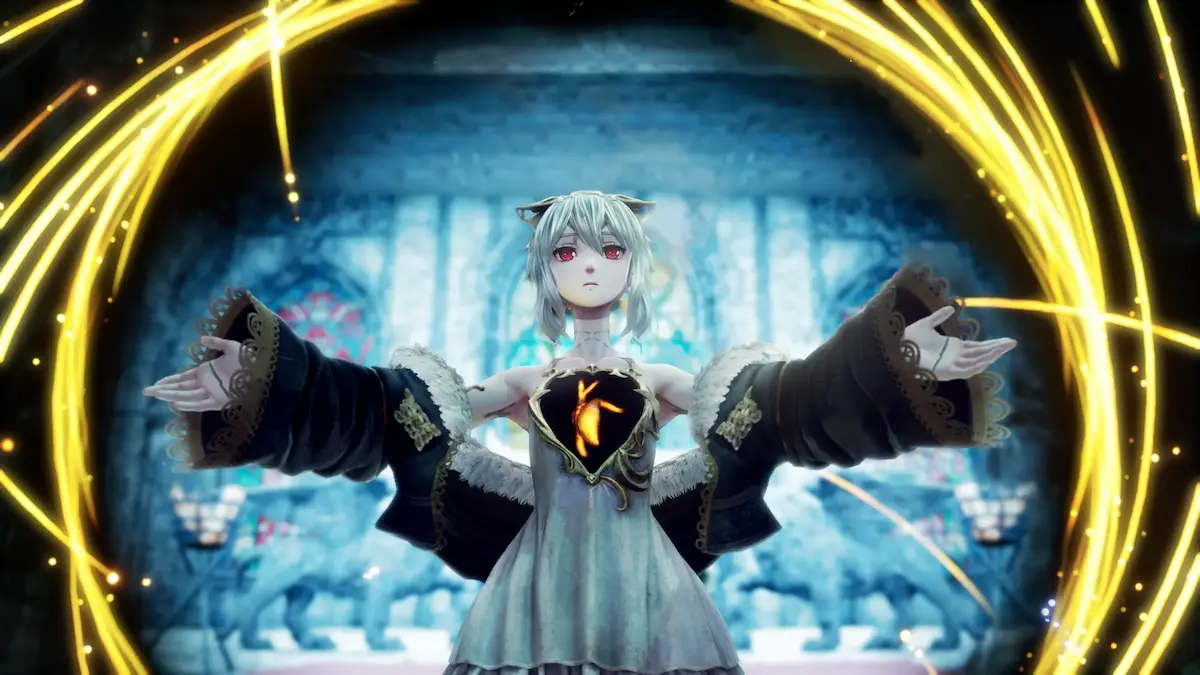
Right from the opening cinematic, Code Vein 2 screams “anime Soulslike sequel.” The post-apocalyptic world pits Revenants against Horrors spawned by the Luna Rapacis phenomenon, and you play a Revenant Hunter teaming up with Lou MagMell, a time-manipulating girl who revives you with her heart. Sounds intriguing on paper, but the delivery feels forced. I appreciated the character creator’s depth: tweaking body types, hairstyles, makeup, and accessories let me craft a protagonist that fit my vision, but then I stepped into Pywel, and the cracks showed immediately.
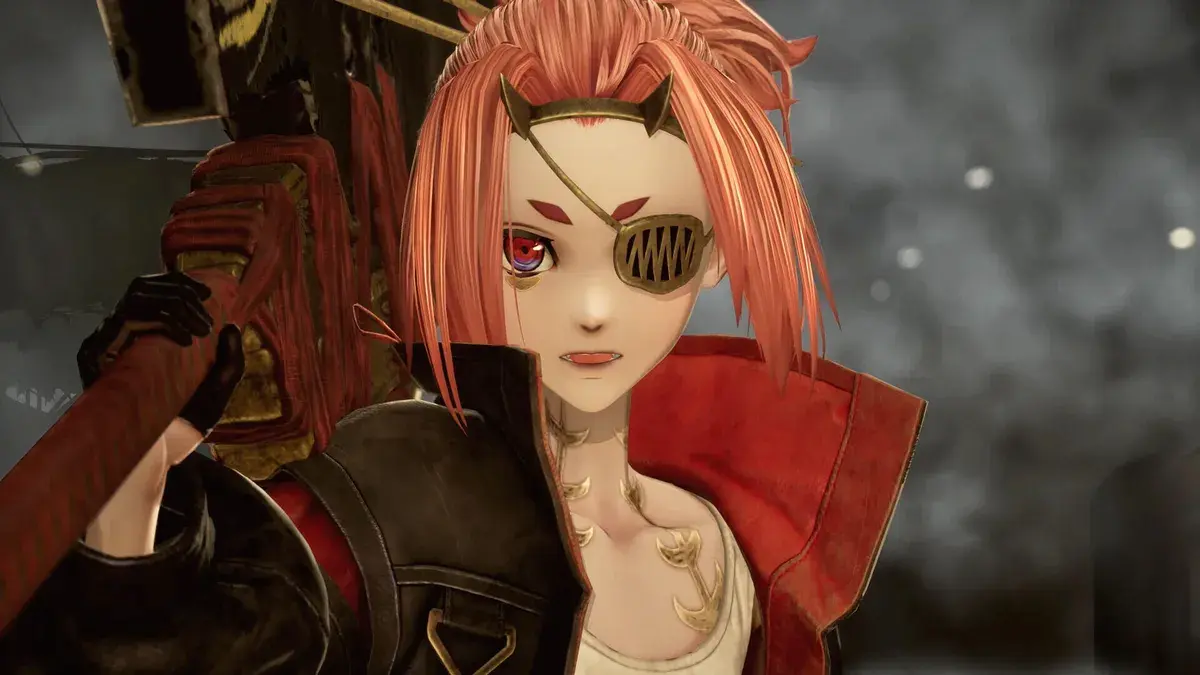
Graphically, it’s a letdown for Unreal Engine 5. Sure, enemy designs pop in photomode with their grotesque Revenant flair, but environments look flat and uninspired. Vast open areas feel empty, lacking the verticality or secrets that make Elden Ring’s world alive. On PS5 Pro in Action Mode (their performance equivalent), I hovered between 40-45 FPS during fights, dipping to 30s amid particle effects. Stutters plagued exploration, making traversal a chore. PC players report similar woes, blaming poor UE5 optimization like botched culling and Lumen handling, issues Bandai Namco patched post-launch, but not enough to salvage my playthrough.
Combat: Familiar but Frustrating
Combat retains the core loop from the original: stamina-based melee, Blood Codes for builds, and draining enemies for skills. I built a strength-focused tank early on, swapping to dex agility later, and the flexibility shines: Jail weapons and upgrades offer variety. Light attacks chain smoothly into heavies, and positioning matters against aggressive foes. The Partner System evolves nicely; companions like Lou provide AI support, and you can recruit defeated story bosses as allies post-fight, each with unique playstyles.
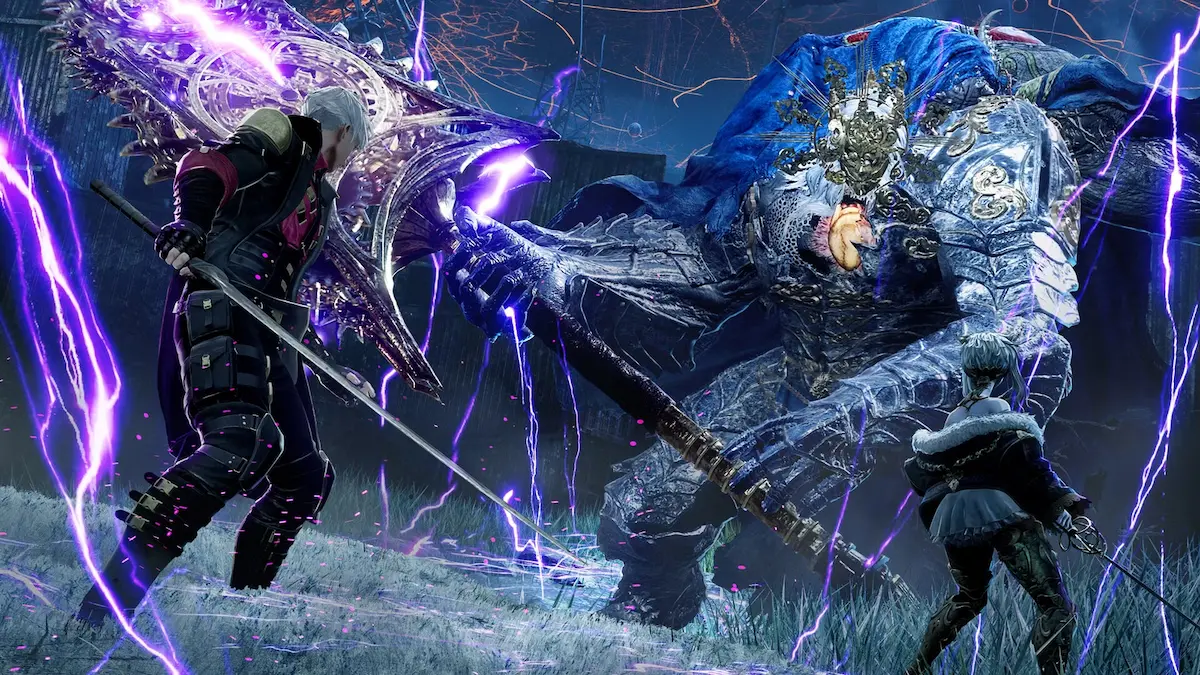
But execution falters. Parry timings feel off, clunky and inconsistent, reminiscent of early Dark Souls entries. Enemy AI is erratic: packs swarm unpredictably, while your companion often hangs back or glitches into walls. Bosses vary wildly; some demand pattern mastery with bullet-hell phases, others rely on waiting for your partner to distract. One late-game behemoth trapped me in multi-hit combos, forcing cheese strats. Timeline-shifting side quests add replay value, letting you rewrite Revenant fates for better lore drops, but main bosses expose input lag from frame drops.
I timed deaths: average 5-10 per tough encounter, higher in open-world ambushes. It’s challenging, but not fair, feels punishing due to tech issues, not design brilliance. Compared to Lies of P’s buttery parries or Nioh’s stance-switching, this lags behind.
Open World: Ambitious Yet Empty
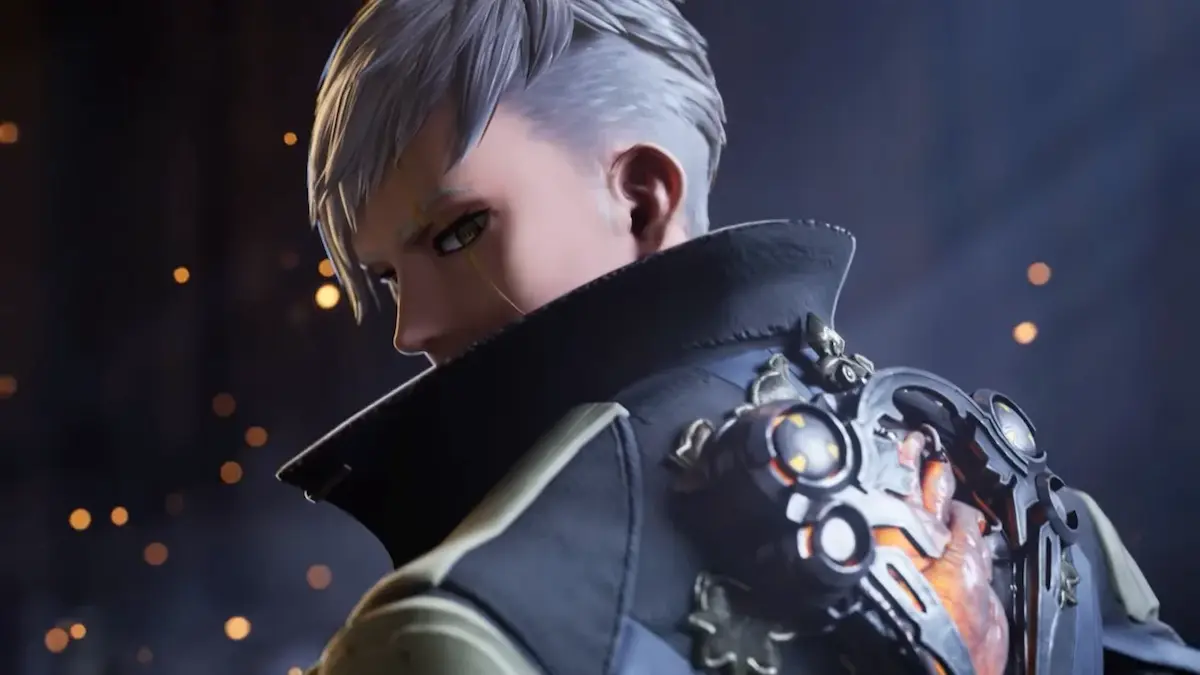
Going open-world was bold, rivaling Elden Ring’s scale, but it backfires. Pywel spans ruined cities, foggy wastelands, and Revenant-infested ruins, with seamless transitions. Mounts and fast travel help, but repetitive dungeons and random enemy spawns pad runtime without payoff. Side quests tie into the narrative, revealing backstories via time travel, but most boil down to “fetch and fight.” I uncovered hidden lore about Lou’s powers and Revenant origins, which hooked me briefly, yet the world lacks soul.
Traversal shines in bursts: gliding over chasms or Blood Code dashes feel empowering. But performance kills momentum; constant loading hitches mid-jump yanked me out of immersion. Metacritic critics note the progression echoes Ocarina of Time, with time mechanics gating upgrades cleverly, but I found it gimmicky.
Story and Characters: Isekai Vibes Gone Wrong
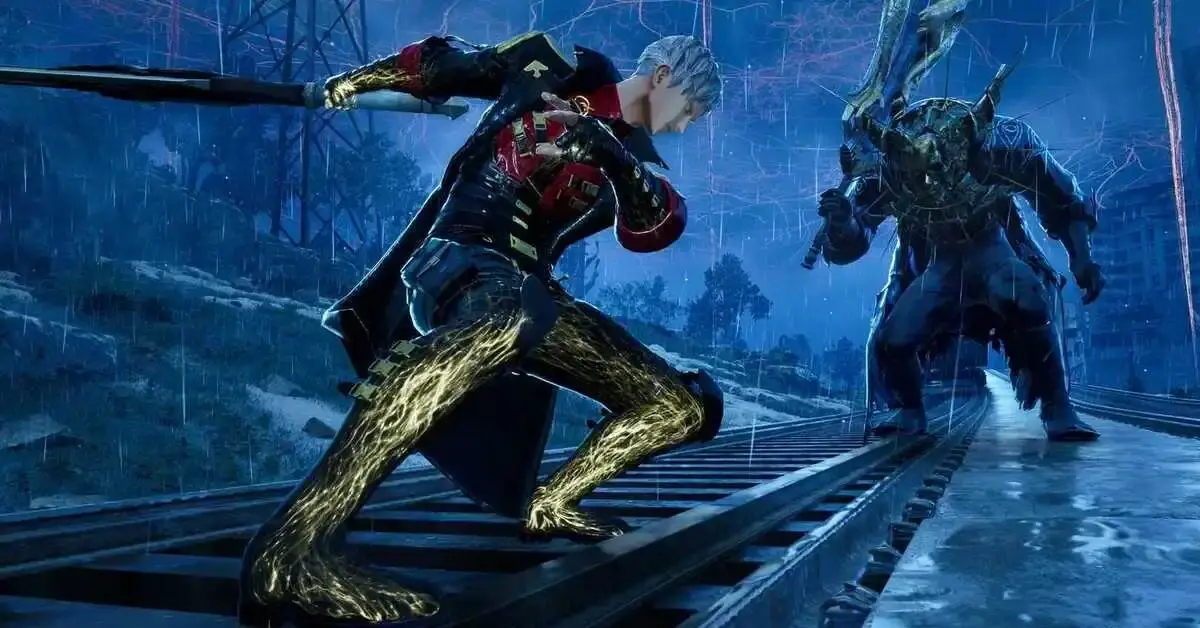
The plot unfolds across past and present, as you alter history to avert collapse. Companions have solid backstories, many ex-bosses with tragic arcs, but voice acting and dialogue grate. Anime tropes abound: edgy monologues, forced drama, and cringy lines that shatter tension. Lou’s time powers enable cool setpieces, like rewinding boss phases for alternate endings, but the main thread feels cookie-cutter. I respected the lore depth on Revenants and Horrors, yet delivery mimics bad isekai,p redictable and unserious.
Soundtrack and Polish: One Bright Spot
Audio saves face. OST swells epic during boss rushes, blending orchestral swells with industrial synths. Ambient sounds, distant howls, crumbling ruins, build dread effectively. SFX pack punch: weapon clashes reverberate satisfyingly. No complaints here; it rivals FromSoftware scores.
Performance remains the elephant: patches improved PC stuttering, but console versions lag. Deluxe/Ultimate editions add cosmetics, but at full price ($60-70), it stings.
Final Verdict: Skip Until Patches Pile Up
Code Vein 2 nails Blood Code depth and partner synergy, earning praise from some (MMORPG.com’s 90 calls it an upgrade). But buggy combat, stuttering UE5 woes, and a lifeless world drag it down, echoing my original Romanian review’s gripes. Metacritic sits around 75 critic/60 user; IGN notes it “struggles to stand out.” Souls veterans might grind through for builds, but newcomers, try Lies of P first. I’d wait for sales or major fixes.
Score: 5/10

I’m passionate about books and video games. These two great passions represent, for me, a boundless universe where I can “escape” from reality whenever I need or want to. There are so many stories, worlds, and landscapes where I can instantly teleport that I don’t think a whole lifetime would be enough to explore them all (though it would be my greatest dream to be able to).