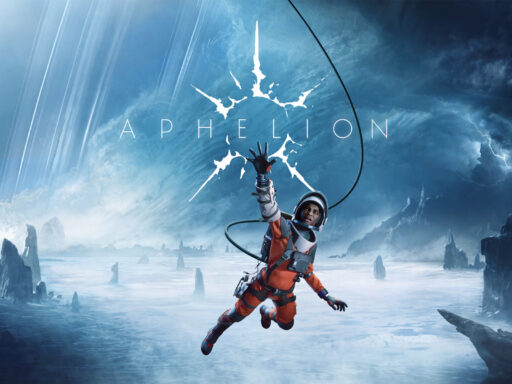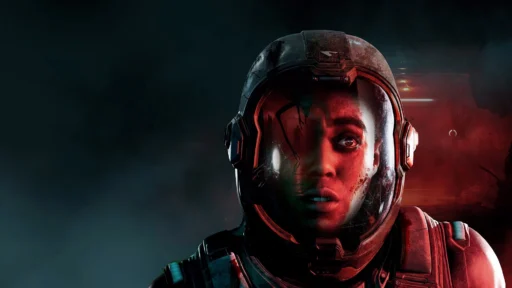
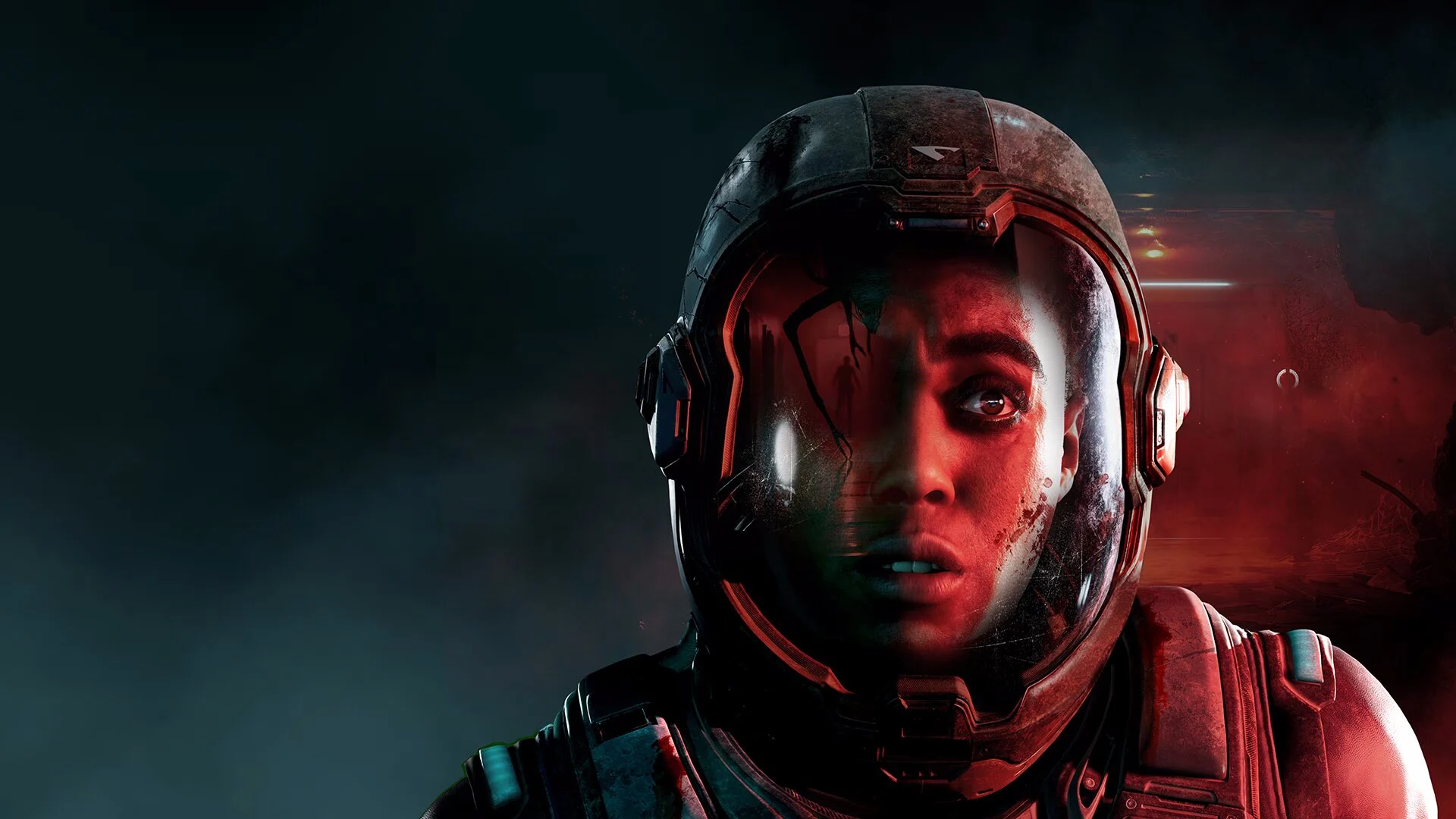

I had the chance to play through Directive 8020, developed and published by Supermassive Games and easily one of the most anticipated narrative titles of the year. It also happens to be my first entry in The Dark Pictures Anthology, which meant I came in with fairly high expectations, shaped by years of hearing good things about what this series does well.
What I can say is that those expectations were only partially met. The primary goal here is clearly to deliver a gripping story filled with mystery and a steady sense of dread, and on that front the game genuinely succeeds. But there are other areas where Directive 8020 doesn’t shine quite as brightly, and they’re hard to overlook.
It Pulls You In Within the First 15 Minutes
The first thing worth mentioning is how quickly this game hooks you. Or rather, this film. Because let’s be honest: Directive 8020 is an interactive experience where the controller is an accessory rather than a tool. You could comfortably hold it in one hand through large stretches of it, and anyone who plays this genre exclusively isn’t about to develop stick drift anytime soon.
Setting that observation aside, the opening works extremely well. The interaction feels immediate and uncomplicated from the start. The game signals its intentions early and earns a degree of trust before any of the bigger story beats land. The pacing in particular stands out as confident, moving forward with purpose rather than spinning its wheels through unresolved narrative threads that trail off into nowhere.
The Gameplay Problem
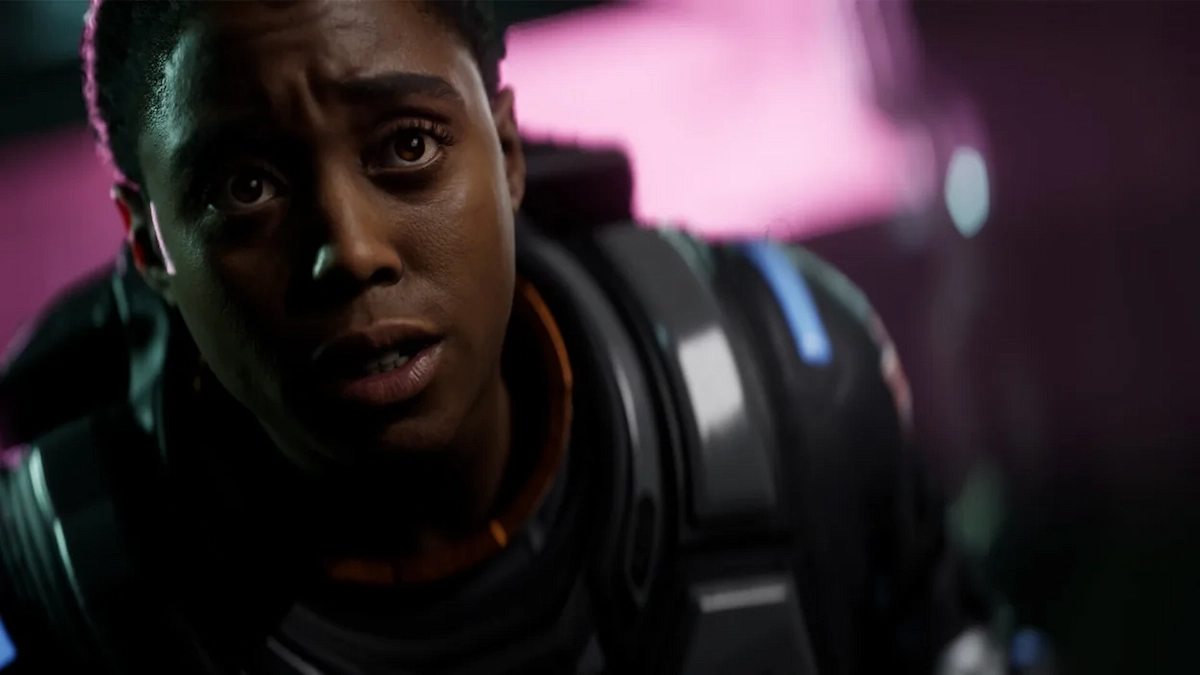
This is the section where the praise has to take a step back. The gameplay loop in Directive 8020 is, at its core, meant to be minimal. Supermassive has never positioned these games as action titles, and that’s fine. The issue is that the volume of sequences where you’re simply following characters around or hiding from them becomes genuinely frustrating after a while.
The same problem showed up in The Casting of Frank Stone back in 2024, where the interactive portions were so uneventful that watching the cutscenes on YouTube started to seem like a more efficient option. Directive 8020 is a meaningful step forward from that low point, though. The pacing holds together well enough that I made it through to the final episode (episode 8) without hitting the wall I hit with that earlier release.
Quick time events and input prompts are kept minimal, which is generally a positive thing. They don’t ask much of you most of the time, but they’re calibrated to catch you off guard at key moments. I missed a handful of them and had to live with consequences I hadn’t planned for, which is exactly how it should feel. That tension is where the interactivity justifies itself.

Photorealism That Belongs on This Generation
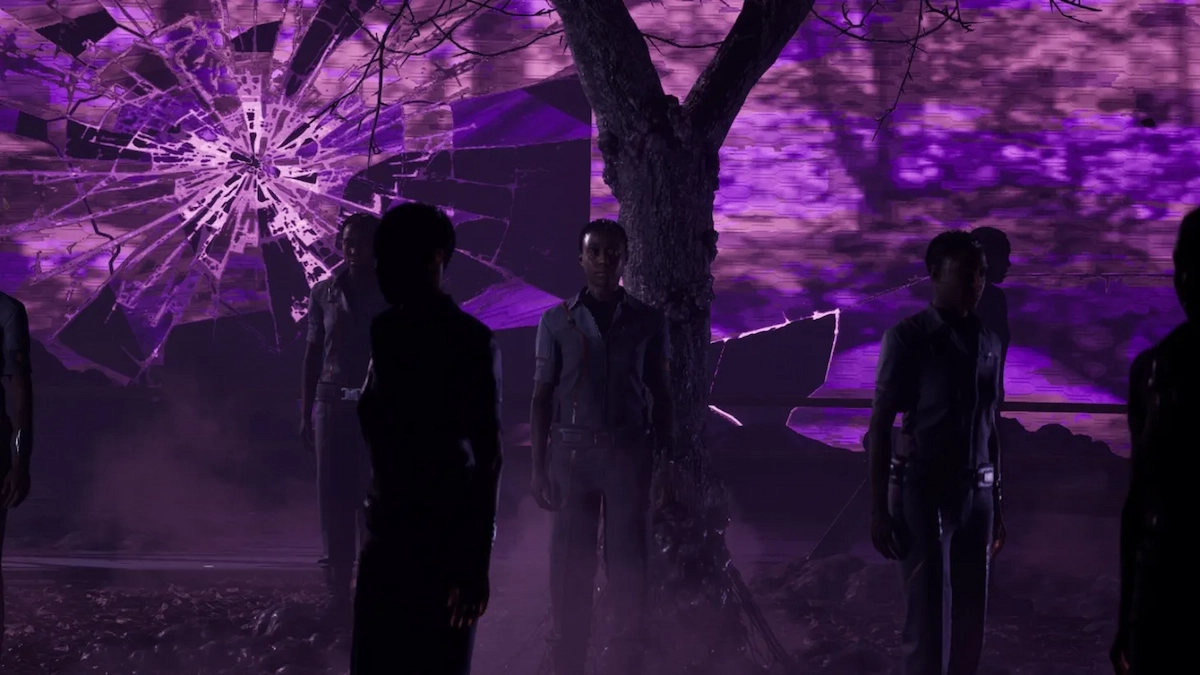
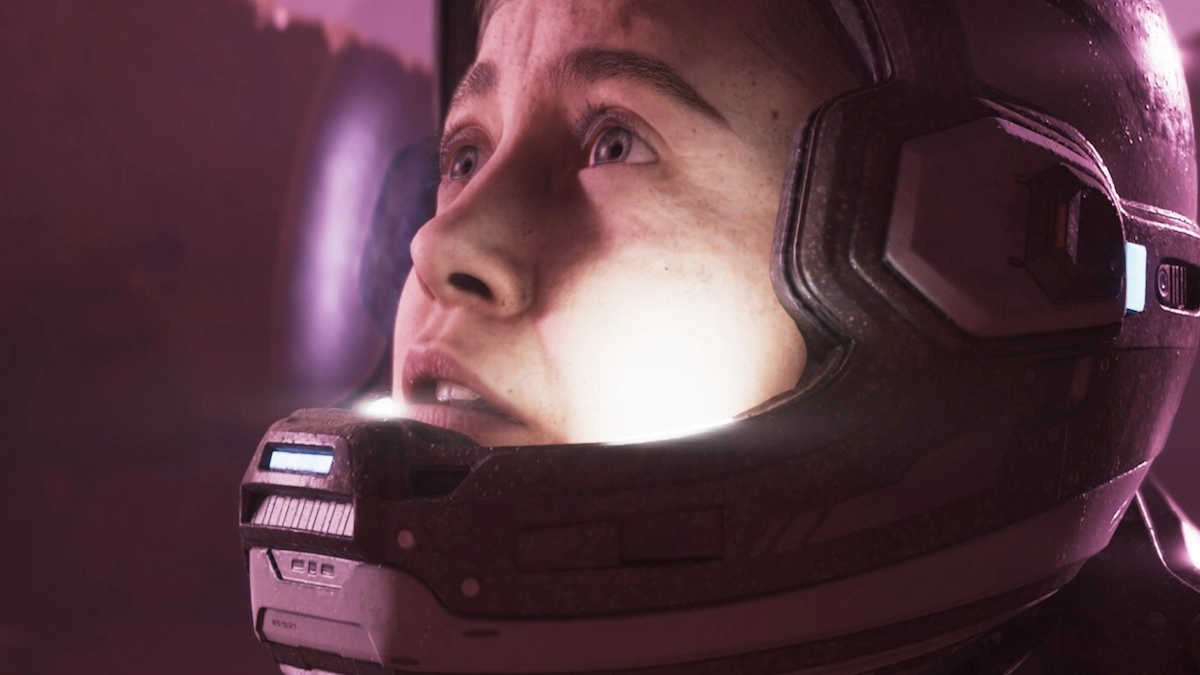
Running on Unreal Engine 5, Directive 8020 makes a strong visual argument for the current hardware generation. The approach leans hard into photorealism and Naughty Dog-style facial animation, where the emotional weight of a scene lives as much in a character’s expression as in the dialogue. It works.
Science fiction aesthetics aren’t typically my territory, and anyone who reads my reviews regularly has probably noticed that by now. It can get wearing to keep reiterating it, so I’ll just say this: there’s a real difference between appreciating a style and being drawn to it personally. I appreciate what Directive 8020 does visually. The level of environmental detail is impressive throughout, and the whole thing carries strong echoes of The Expanse, both the TV series and the upcoming video game adaptation. That’s a favorable comparison by any measure.
Soundtrack Up, Sound Design Down
The audio is where things split sharply in two directions. The soundtrack itself is excellent. The music that plays at the end of each episode in particular lands with real emotional impact, and across the board the composed score supports the tension and atmosphere in a way that feels deliberate and earned.
The sound effects are a different story entirely. The persistent scratched-disc distortion effect used throughout the experience was genuinely difficult to tolerate. It’s the kind of audio design choice that pulls you out of the moment rather than deepening immersion, and it was consistent enough to become a real complaint. Not a dealbreaker, but notable enough that it diminished the overall experience in a way that felt avoidable.
The Story Is Where the Soul Is
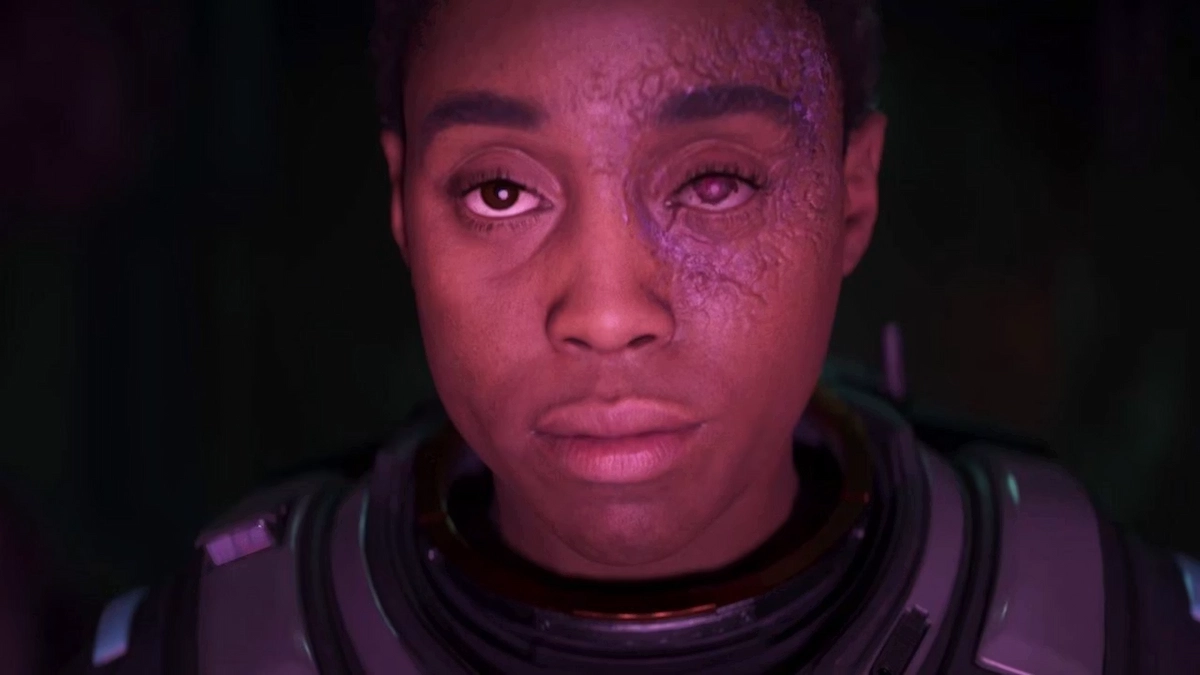
The narrative is unquestionably where the most care was invested, and it shows. The premise is deceptively simple: a crew of deep-space researchers is struck by what appears to be an asteroid collision, only for it to become clear far too late that something else entirely hitched a ride into the ship. A parasite. One that doesn’t just damage bodies but takes control of them, turning the people around you into threats you can’t easily identify or predict.
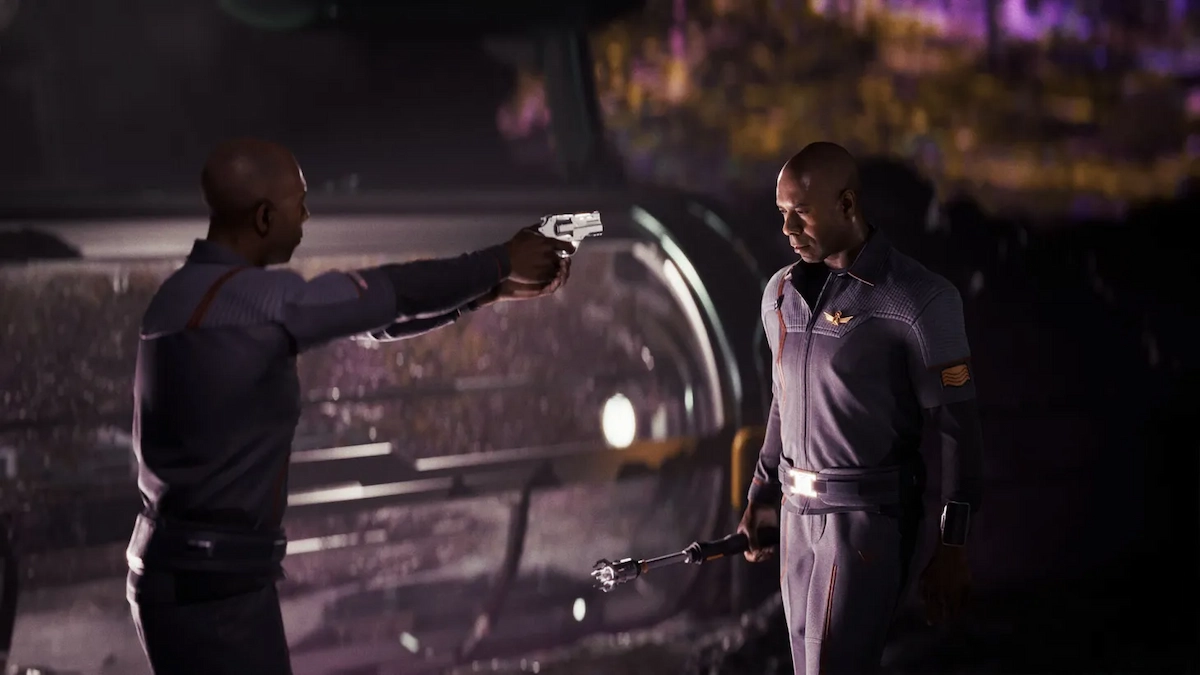
What elevates this beyond a standard survival horror setup is how the story is distributed across its cast. There’s no single protagonist. Every character in the ensemble is simultaneously a potential hero and a potential antagonist depending on the decisions made throughout the experience. The moral weight of your choices accumulates in ways that feel real rather than cosmetic, and the narrative keeps enough structural clarity that you never lose the thread even as things spiral.
The rewind mechanic that Supermassive includes across their games is present here too, allowing you to step back and explore the road not taken without committing to a full replay. It’s a smart piece of player-facing design that encourages experimentation without punishing curiosity.
Maybe I Want More Space After All
Directive 8020 is a genuinely good game for fans of sci-fi and horror, and it’s a strong enough entry that even someone skeptical of both genres can find things to appreciate. It’s lighter on outright horror than some of Supermassive’s previous work, which makes it a slightly more accessible starting point for the series than some of the earlier chapters in The Dark Pictures Anthology.
At a sale price it’s a comfortable recommendation, particularly if you have someone to experience it alongside. This is exactly the kind of game that becomes something better when played with another person on the couch, reacting to choices together and arguing about what to do next. Played that way, its shortcomings feel smaller and its strengths feel bigger.
Final Score: 7 / 10

I’m passionate about books and video games. These two great passions represent, for me, a boundless universe where I can “escape” from reality whenever I need or want to. There are so many stories, worlds, and landscapes where I can instantly teleport that I don’t think a whole lifetime would be enough to explore them all (though it would be my greatest dream to be able to).