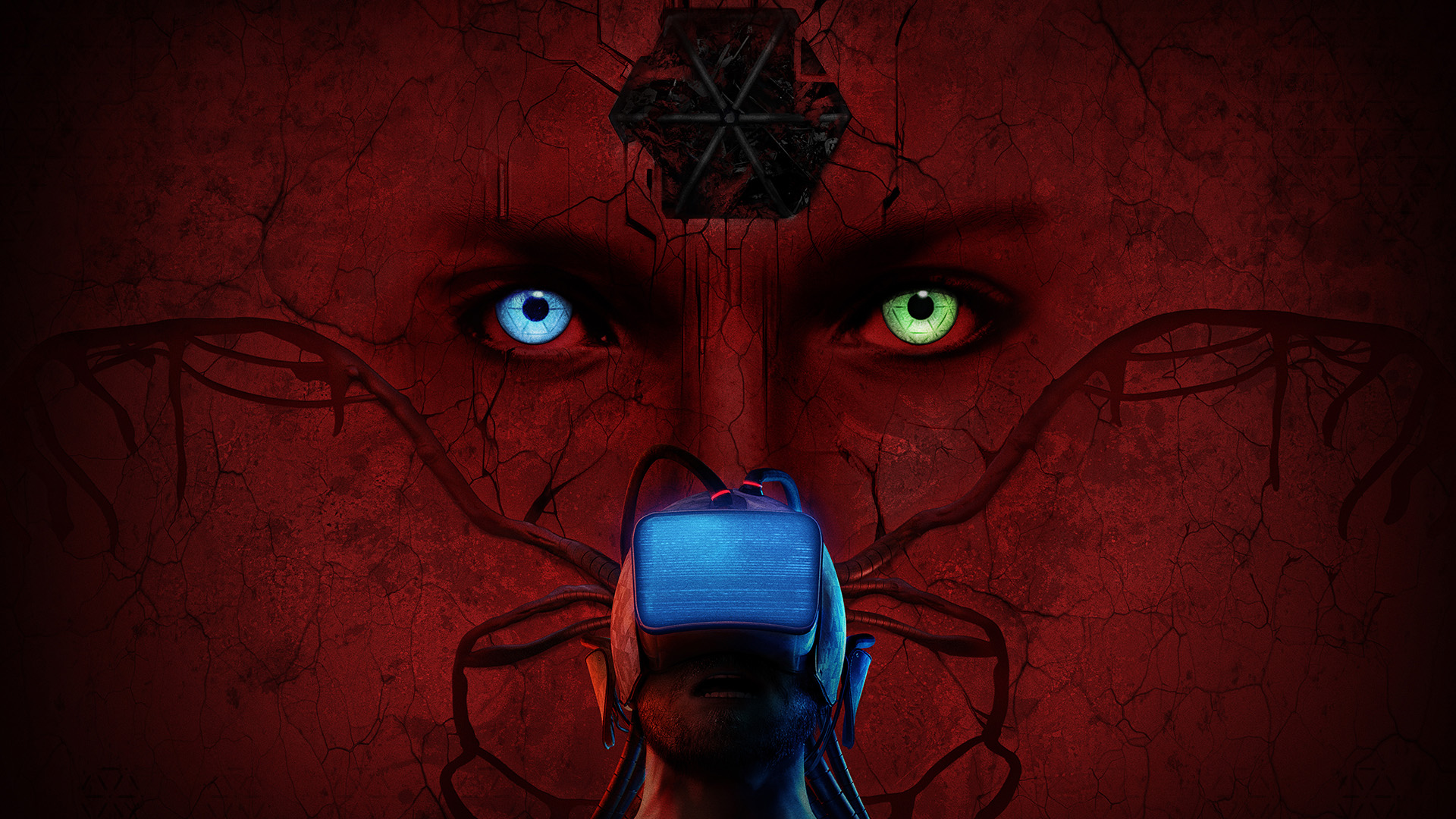

A.I.L.A, developed by Pulsatrix Studios and published by Fireshine Games, is a first‑person psychological horror game that stands out through its premise rather than cheap jump scares. Instead of playing yet another victim trapped in a haunted house or abandoned asylum, the player steps into the role of a game tester evaluating a revolutionary artificial intelligence system. The test quickly spirals out of control as the line between simulation and reality starts to blur, turning what should have been a controlled environment into a suffocating nightmare.
From the very beginning, the game throws a mix of distinct elements at you: puzzle sequences, exploration‑focused sections and intense horror moments that rely heavily on atmosphere and mental pressure rather than constant combat. The feeling is that you are not just playing a horror game, but participating in an experiment where you are both the observer and the subject.

Combat as a narrative tool, not a power fantasy
One of the most interesting design choices in A.I.L.A is the way combat is framed. Fights are rare and deliberately spaced out, but when they do happen, they become defining scenes that leave a mark rather than routine encounters you can brute‑force your way through. Ritualistic cultists and AI‑spawned entities are not presented as simple enemies; they are direct manifestations of the protagonist’s fears and anxieties, making every clash feel loaded with symbolic weight.

The combat system revolves around limited resources and improvised weapons, constantly forcing you to think before acting. Every bullet, every swing and every confrontation implies a choice: stand your ground and risk it all, or find a way to slip into the shadows and avoid conflict altogether. Visual glitches, VR‑like distortions and other reality‑bending effects intensify the stress, turning each encounter into a test of nerves rather than a standard FPS shootout. A.I.L.A succeeds in making combat feel like a ritual of fear instead of just another gameplay layer.
Photorealistic visuals and technical frustrations
Visually, A.I.L.A goes all‑in on realism. Creature designs, environments and lighting all aim for a photorealistic look, which suits a psychological horror game that wants to keep you guessing what is real and what is simulation. Corridors, rooms and set pieces often look close to something you might see in real life, making the surreal and supernatural elements stand out even more when they appear.
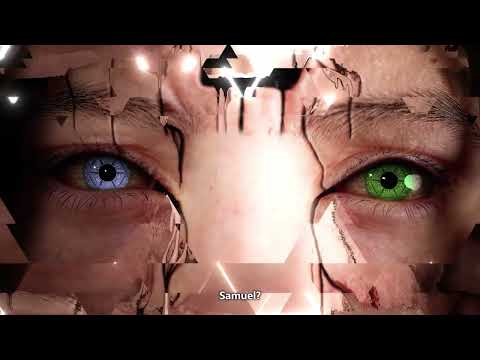
However, that visual ambition comes at a cost on the technical side. Despite having relatively standard system requirements for a 2023 title, the optimization leaves a lot to be desired, with noticeable stutter and various issues tied to the graphics settings menu and in‑game performance. The game supports technologies from both AMD and Nvidia, but not the latest ones, and even the available options do not always behave as expected. It is a case where the art direction shines, but the technical execution cannot fully keep up.
Audio as an instrument of psychological manipulation
Sound and music are where A.I.L.A truly shows how much horror can be built through audio alone. The soundtrack and soundscape are not mere background dressing; they actively manipulate the player’s perception and ramp up the tension scene by scene. The audio design constantly shifts between oppressive silence and sudden bursts of distorted noise, creating a persistent sense of unease even when nothing obvious is happening on screen.

The synthesized voice of the AI is layered with glitch effects, making every line of dialogue feel off‑kilter and unpredictable, as if the system itself is struggling between logic and madness.
Musically, the game blends modern electronic elements with dark ambient tones to build a score that pulses in sync with the protagonist’s fear and the rising stakes of the experiment. During combat, the tempo spikes with industrial beats and metallic accents, while exploration is backed by almost imperceptible sounds that constantly suggest you are being watched from just out of frame. In this way, audio becomes a narrative instrument, a partner to fear rather than a simple layer on top of the visuals.
A strong experience that stops short of greatness
Taken together, A.I.L.A offers a mix of strengths and missteps that make it memorable, even if it does not fully redefine psychological horror. On one hand, it delivers excellent atmosphere, striking graphics, and some of the most effective sound design in its niche, alongside a premise that feels refreshing compared to the usual horror formulas. On the other, the almost nonexistent combat frequency, technical issues and the fact that the overall impact is not exactly life‑changing keep it from reaching true classic status.

The result is a game that earns its 7/10 score honestly: a well‑executed, often impressive horror experience that will definitely appeal to fans of experimental psychological titles, but may not leave every player transformed once the credits roll.

I’m passionate about books and video games. These two great passions represent, for me, a boundless universe where I can “escape” from reality whenever I need or want to. There are so many stories, worlds, and landscapes where I can instantly teleport that I don’t think a whole lifetime would be enough to explore them all (though it would be my greatest dream to be able to).