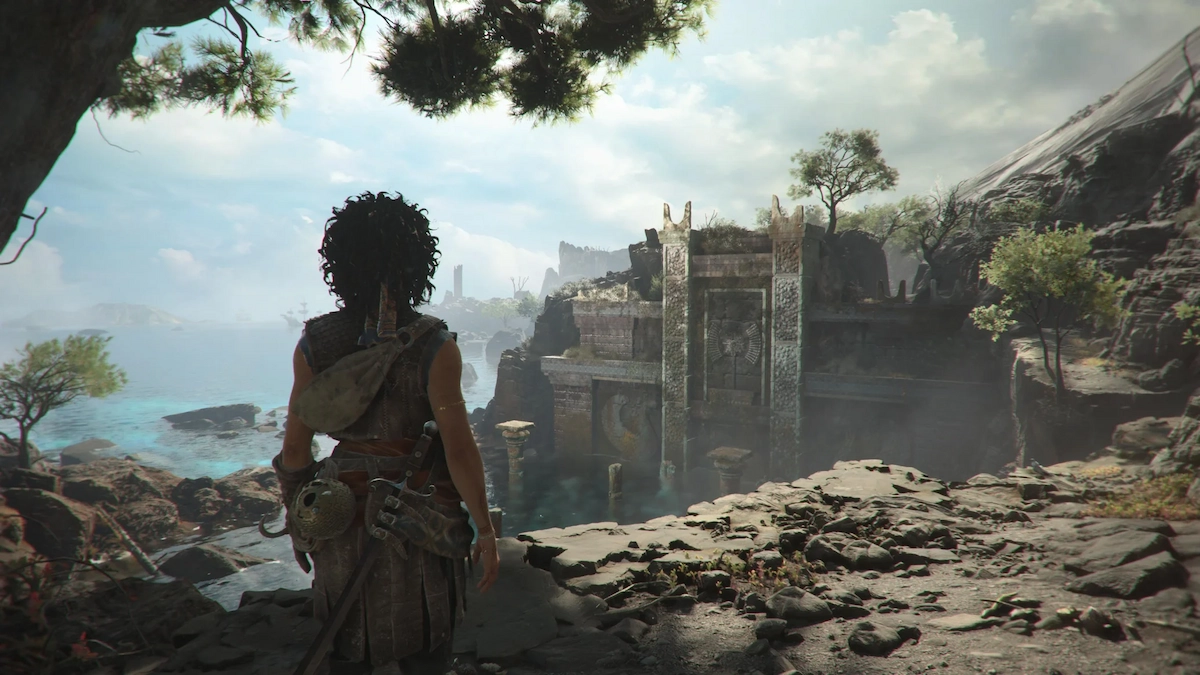

Last updated on October 10, 2026
Resonance: A Plague Tale Legacy was one of the most anticipated games of the year, and it let me down in a few areas. Still, I would not call my time with it bad. The A Plague Tale series is exceptional and ranks among the best AA games of this generation and the last, so I was nervous when Asobo Studio announced another entry. The ending of the previous game felt perfect, and any change could look like milking the franchise.
What reassured me is that you play as Sophia, and the story takes place well before Innocence and Requiem. It has nothing to do with Resident Evil Requiem, by the way, despite the similar name. The developers changed enough to give the game its own personality. It feels like a distant relative of the earlier games, the one nobody invited to the family party. Here is my full Resonance A Plague Tale Legacy review after about 15 hours on PS5 Pro.

Combat that changed too much
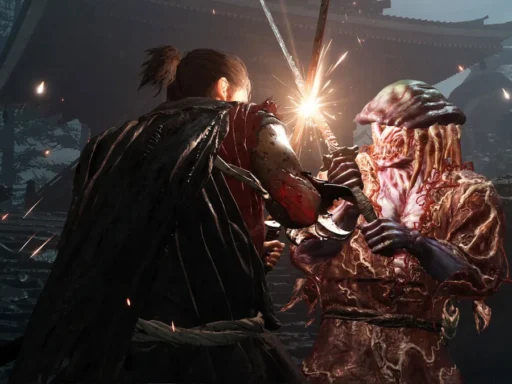
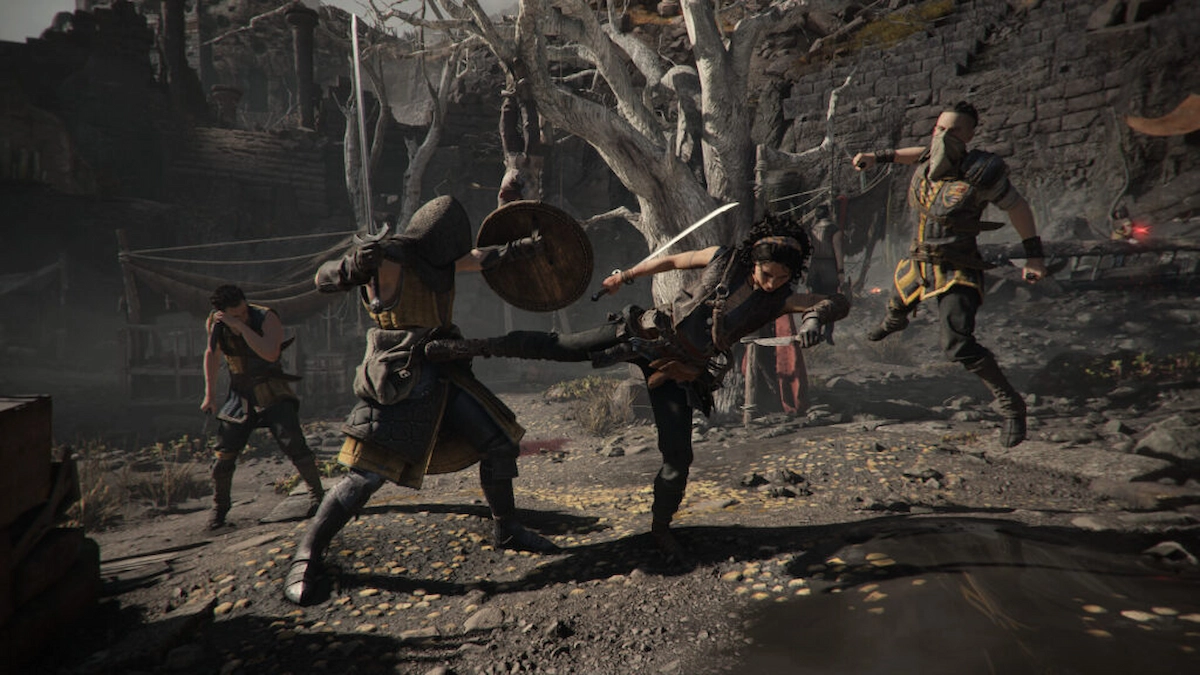
My expectations for combat were low, because it replaces a lot of what the first games did well. As someone who loves hack and slash action, I still gave it a fair try, and it disappointed me most in the area where I expected the least. I would call it mediocre, which is the level most games reach. It is not outright bad.
What surprised me is that the game still tries to be as unique and emotional as the first two, and that is the very reason the series sold millions of copies.
Gameplay, skills and puzzles
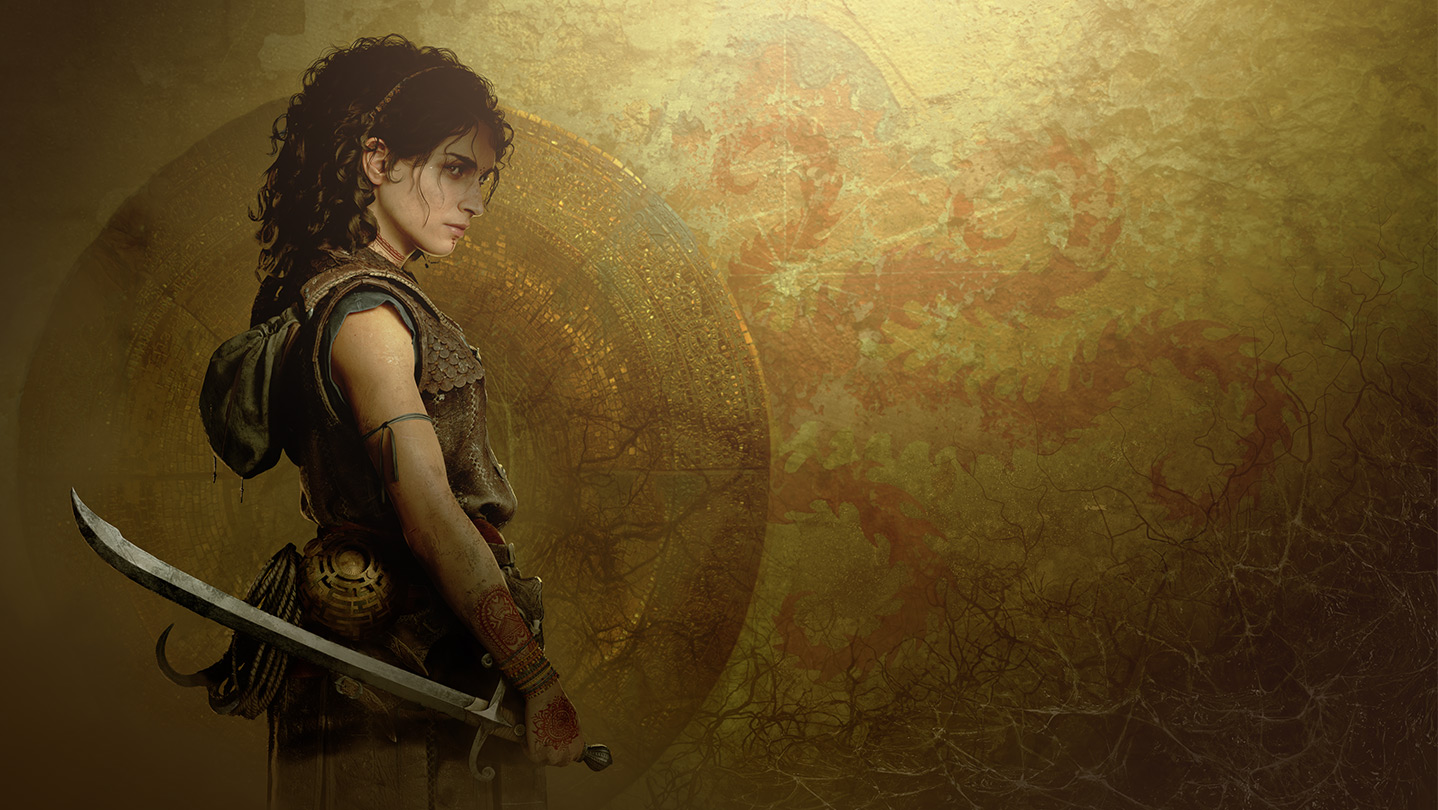
Animations, enemy AI and combat variety are all weak. The skill tree is sparse, with some passive skills and the rest active, and the game never forces you to invest points early, so progression feels thin. Even on the higher difficulty the game plays about as easily as the lower ones. The most effective way to beat enemies was the parry and dodge system taught in the tutorial.
This is not a Soulslike and has no real resemblance to FromSoftware games. After a few hours it felt more like a newer Assassin’s Creed RPG. The puzzles were fun for a few hours, but I am not a fan of puzzle heavy games, so I eventually needed a break.
Resonance A Plague Tale Legacy graphics
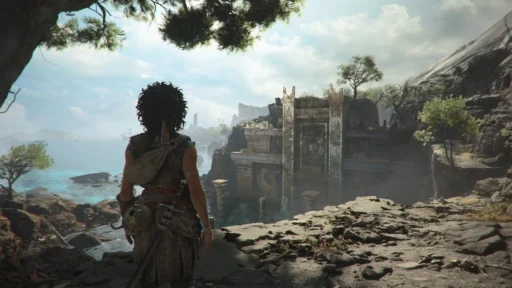
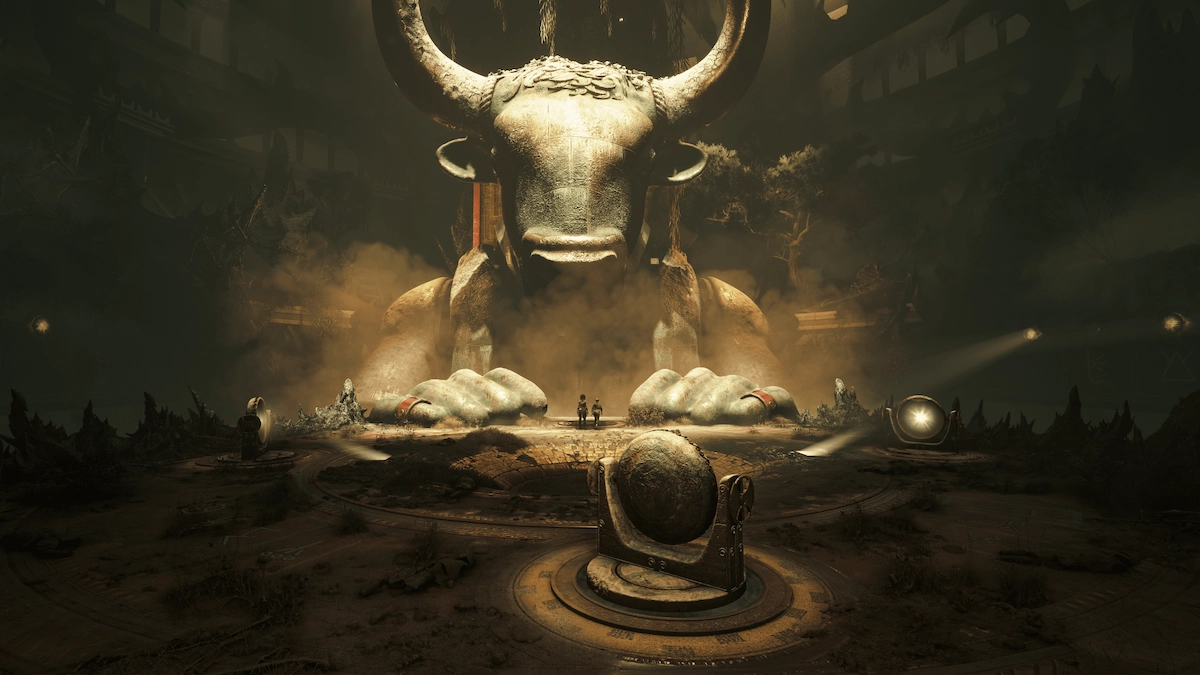
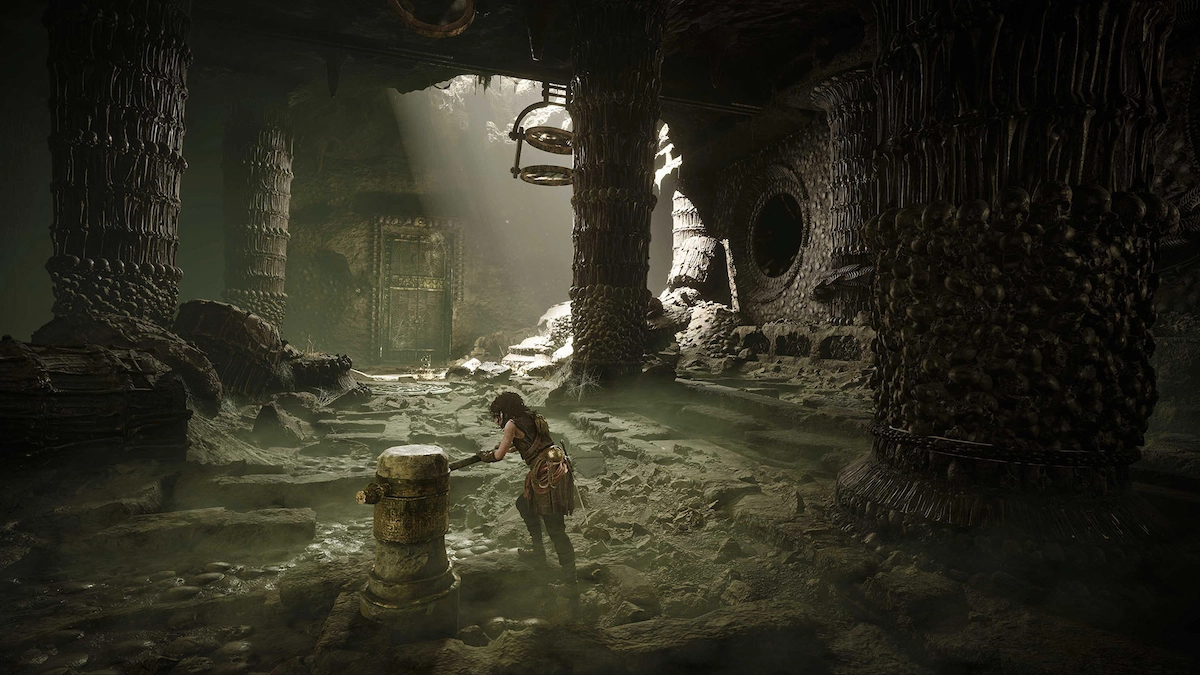
The game runs on Unreal Engine 5, and I expected a real graphical leap over Requiem. Fidelity did not deliver as much as I hoped. The art style helps a lot, but at times the game looked worse than Requiem, which came out four years earlier.
I did love the character, enemy and ancient architecture design. I spent tens of minutes just staring at the scenery and playing with Photo Mode, which is available at launch.
Sound design and acting
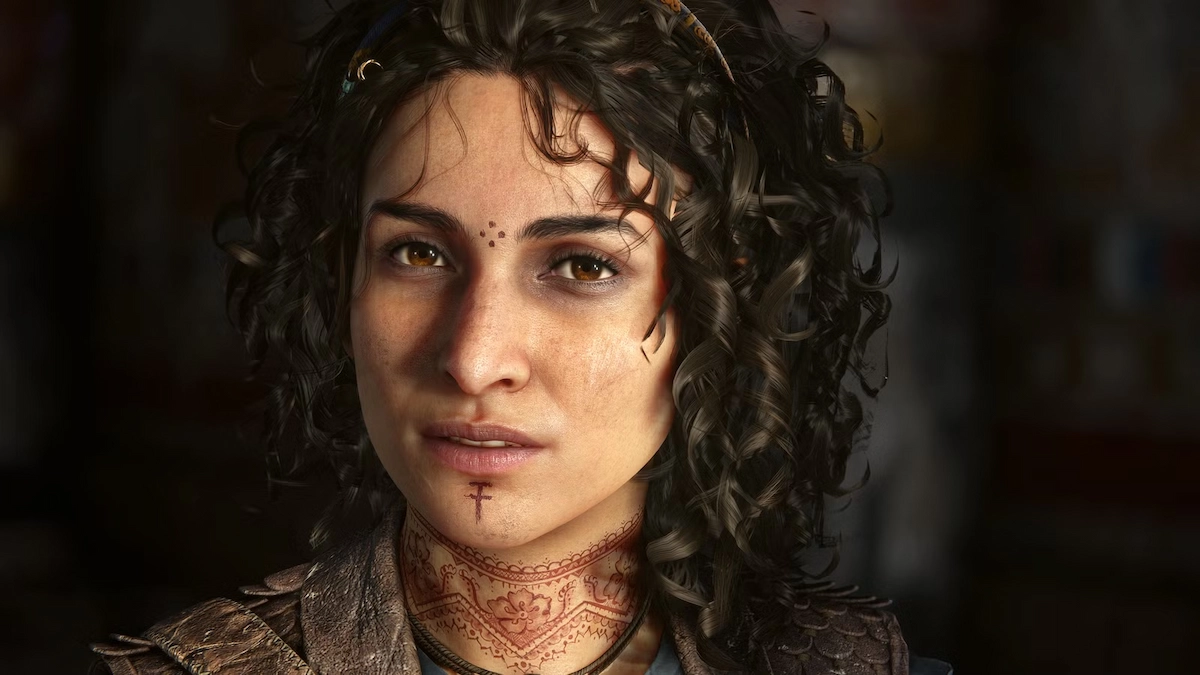
The ambient sound is impressive. The acting is not especially strong, but the sound effects are more than respectable and may even be better than in earlier entries. I ran into a few audio bugs, like footsteps with no moving character and explosions that arrive late. They are minor, and I expect a patch to fix them, so they may already be gone by the time you read this.
Story and Sophia
Some people say the first games were copied from or inspired by The Last of Us. I feel the narrative and characters here are better structured. The story is emotional, though it may not hook you right away. It is not as rich as the games I compare it to, but it is still worth following.
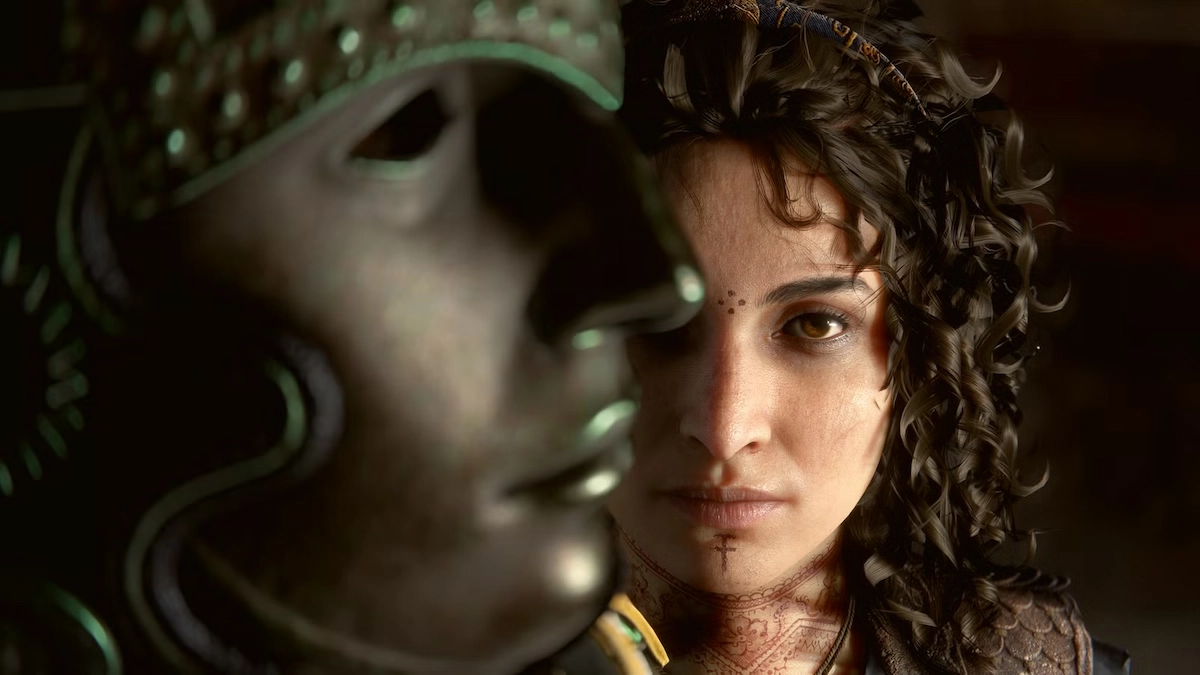
Sophia appeared in Requiem and became one of the series’ most loved characters, which is why she got her own game. I like her personality and backstory. I did not enjoy her relationship with another character, so I will leave that one out to avoid spoilers. Overall the story reminded me of Uncharted, mediocre on the emotional side but full of action.
Price and final verdict
The art style and the story saved this game from being a complete failure. Combat and sound are not terrible, but they are not truly good either. Over about 15 hours I felt both disappointed and amazed. At $50, the price is justified for a game like this, and I recommend giving it a try, especially on Xbox Game Pass.
Final score: 7.5/10

I’m passionate about books and video games. These two great passions represent, for me, a boundless universe where I can “escape” from reality whenever I need or want to. There are so many stories, worlds, and landscapes where I can instantly teleport that I don’t think a whole lifetime would be enough to explore them all (though it would be my greatest dream to be able to).