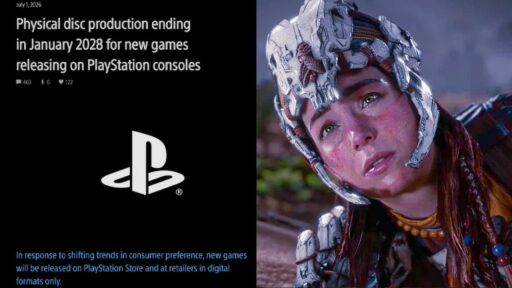
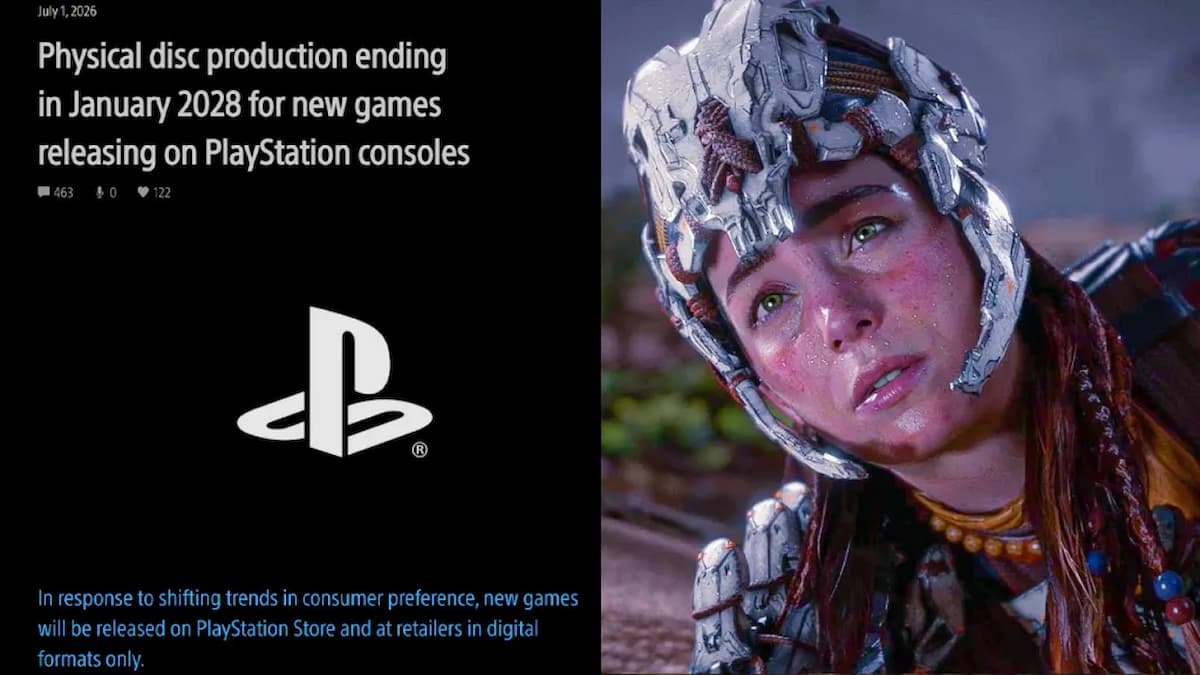
It’s the news we all knew was coming eventually, but it still stings to see it in writing. Sony just confirmed that PlayStation is going entirely digital by 2028. This means the era of physical game discs is officially winding down, and yes, that applies to both the current PS5 and the upcoming PS6. Your physical collection is about to become a relic of a bygone era.
This announcement arrives hot on the heels of Rockstar Games’ recent revelation that Grand Theft Auto 6 will launch exclusively in digital formats. By alignment, Sony’s heavy-handed strategy doesn’t just nudge the industry forward—it effectively pulls the plug on physical media within the PlayStation universe.
An All-Digital blueprint
In an official blog post published on July 1, PlayStation laid out its cards. Starting in January 2028, all newly released PS5 titles will completely bypass physical disc production. Consequently, the publisher has cemented the fact that the upcoming PS6 will be built strictly as a digital-only console, completely devoid of any physical drive or media support.
Sony defends the radical transition as a natural adaptation to unavoidable market forces:
“As consumer preferences and the broader entertainment industry continue to shift away from physical discs to digital, physical game disc production for all new games released on PlayStation consoles will be discontinued starting January 2028.”
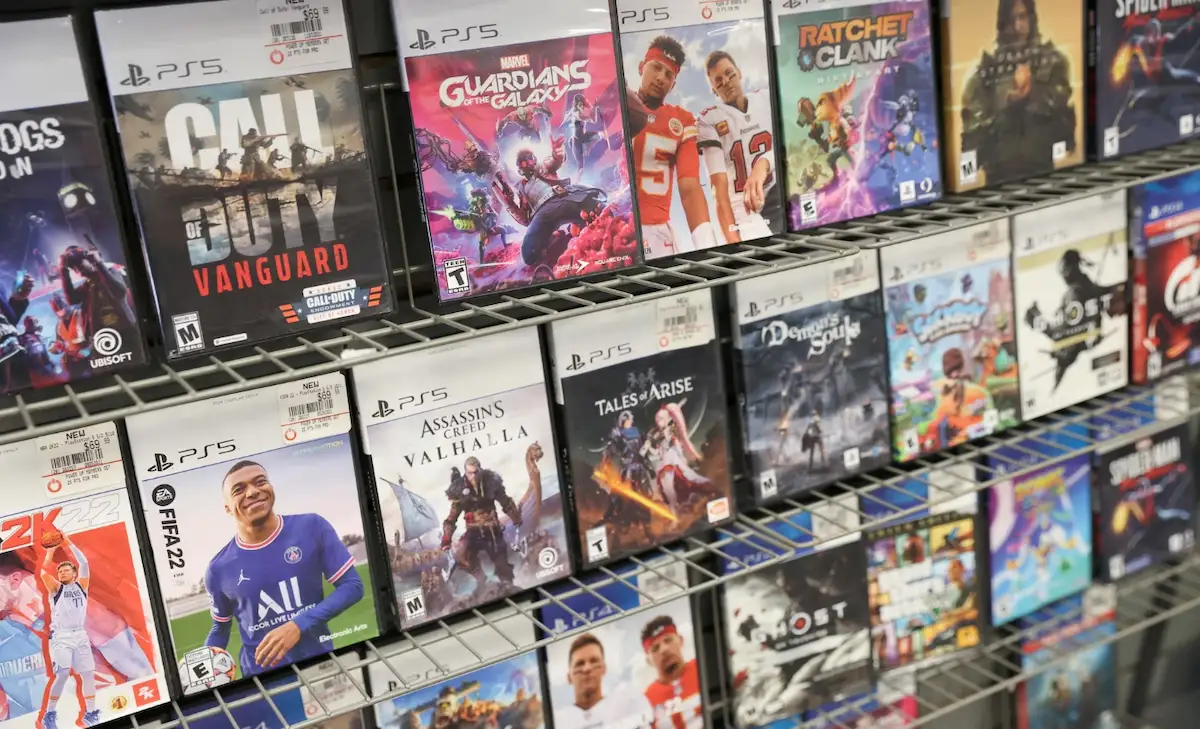
Once the deadline hits, players looking to grab new releases will have to look exclusively to the digital storefronts. Sony clarified that games will only be obtainable directly through the PlayStation Store or via digital voucher codes sold by third-party retailers. On the bright side, the company noted that this transition will have absolutely no impact on titles already available or scheduled to launch on disc prior to the January 2028 cutoff.
Why third-party discs are dead too
For those holding out hope that this digital lockdown would only apply to first-party PlayStation Studios titles, the reality is far more grim. Industry insiders have quickly highlighted the massive structural implications of Sony’s policy.
As pointed out by prominent insider Genki JPN, Sony holds a total monopoly over the physical manufacturing process for its platform. Third-party publishers don’t just print their own PlayStation discs; they have to go directly through Sony to get them manufactured. Genki JPN explained the harsh reality:
“In case some people didn’t know. All physical PlayStation games are manufactured by Sony. You have to go through Sony to get your game printed on a disc. Once PlayStation decides it’s not making discs anymore, it’s all over for physical media on their platform.”
If these manufacturing mechanics hold true, it seals the fate of every single physical release on the console. When Sony shuts down its pressing plants, third-party giants like EA, Ubisoft, and Capcom will have no choice but to follow suit on PlayStation hardware.
Community backlash
The announcement has sparked widespread anger across the gaming community. Physical game collectors and preservationists have reacted with profound dismay describing Sony’s decision as “catastrophic” and “apocalyptic.” The frustration is palpable, with a growing segment of dedicated fans threatening to skip the PS6 entirely.
Underneath the official blog post, the comments section quickly turned into a digital graveyard of brand loyalty. One longtime customer wrote: “I’ve bought every new generation of PlayStation that’s released. Looks like the PS6 is where it sadly ends for me.” Another deeply frustrated player added: “Horrible decision but what can you expect from this company at this point.” The discontent is even driving some console players straight into the arms of PC gaming, with one fan declaring, “If that’s the case I will buy all my games on Steam from now on.”
Looking past the immediate outrage, it’s hard not to worry about the severe collateral damage this will inflict on the secondary market. If a titan like PlayStation completely abandons physical media, other major platform holders will almost certainly find the courage to do the same. This spells a slow painful death for brick-and-mortar retailers like GameStop and kills the very concept of second-hand game trading, sharing, and used game discounts. For anyone who believes in digital ownership rights and media preservation, this is an incredibly depressing milestone.

I write for Need4Games, mostly keeping track of what’s coming next. I cover showcases and release updates, put together quick lists when you just want the highlights, and I’ll post Steam deal roundups when the sales get wild. I play a lot of games, so I tend to look at games through that lens. No overthinking, just: what it is, why it’s interesting, and if it’s actually worth your time. I also stream now and then on Twitch.