
Last updated on June 12, 2026
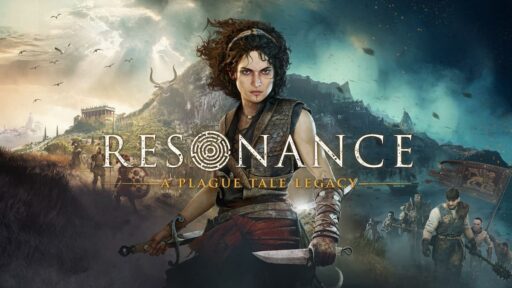
When A Plague Tale: Innocence launched in 2019, it set a firm template for what this franchise could be: a story-driven, emotionally devastating adventure where character growth and narrative impact mattered far more than combat complexity. Its 2022 sequel, Requiem, expanded the world and the spectacle but kept the same core philosophy. Stealth was always an option; outright fighting was rarely the point. That template, however, is about to be torn apart entirely by Asobo Studio‘s bold new project, Resonance: A Plague Tale Legacy.
The latest details come straight from a recent preview event held in Paris, where journalists got hands-on time with early builds of the game and sat down for extended conversations with Carol-Ann Banuls, the Lead Writer behind this new chapter. What she described makes one thing absolutely clear: the studio wants to expand the universe, but it also wants to change the rhythm and feel of everything that comes with it, drawing clear inspiration from action adventure franchises like Uncharted and Indiana Jones.
A Protagonist Shaped by a Brutal Past
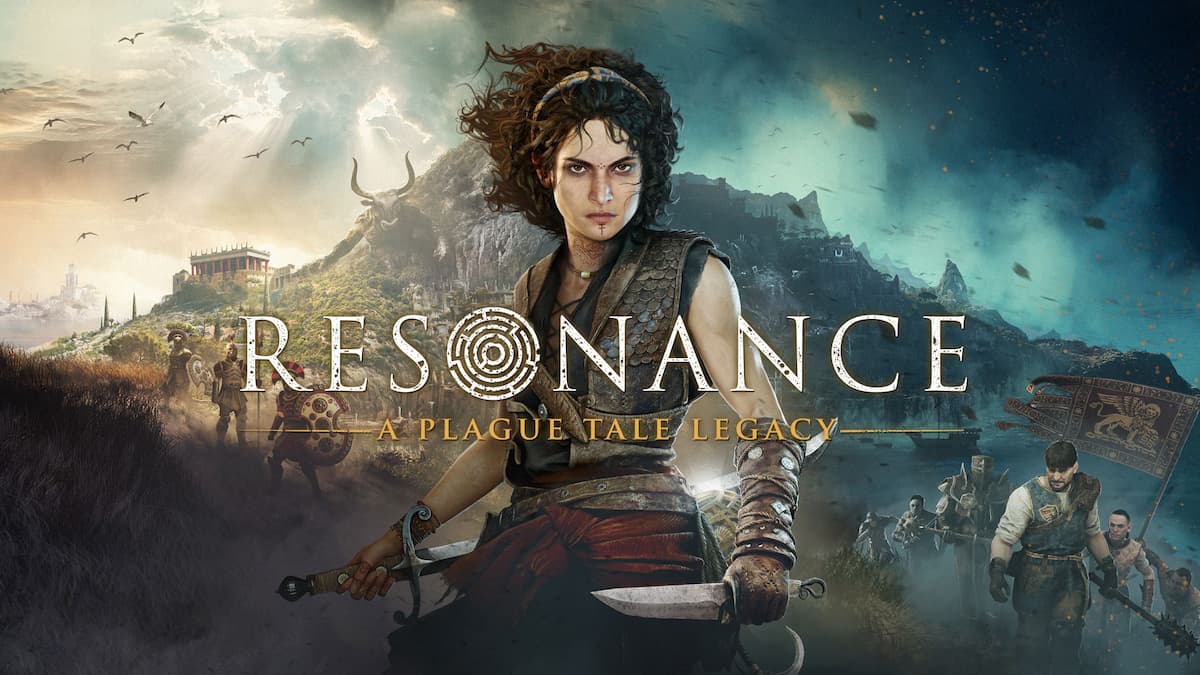
The most significant structural shift in Resonance starts with who you are playing. Gone is Amicia de Rune, the young noblewoman thrust without warning into a nightmare of plague, Inquisition, and impossible choices. In her place stands Sophia, the smuggler who captured players’ hearts during Requiem, now taking center stage in a story set fifteen years before the events of that game.
This casting choice is not simply a narrative handoff. It is the engine that drives every design decision in the game. Sophia did not grow up sheltered. She was raised on the streets, inside a criminal gang led by her own father, and she learned to handle violence before she ever had a chance to be afraid of it. Carol-Ann Banuls was direct about the contrast between the two protagonists:
“Sophia is very different from Amicia. Amicia was confronted with violence without being destined for it. It was something she had to face at a young age and she had to figure out on her own how to process it. Sophia, on the other hand, was born into a violent environment. She learned to fight from a very young age, growing up in a gang led by her father. Her story is completely different: she was born strong, and throughout the game she will have to learn to open up and become vulnerable. For Amicia, things were exactly the other way around.”
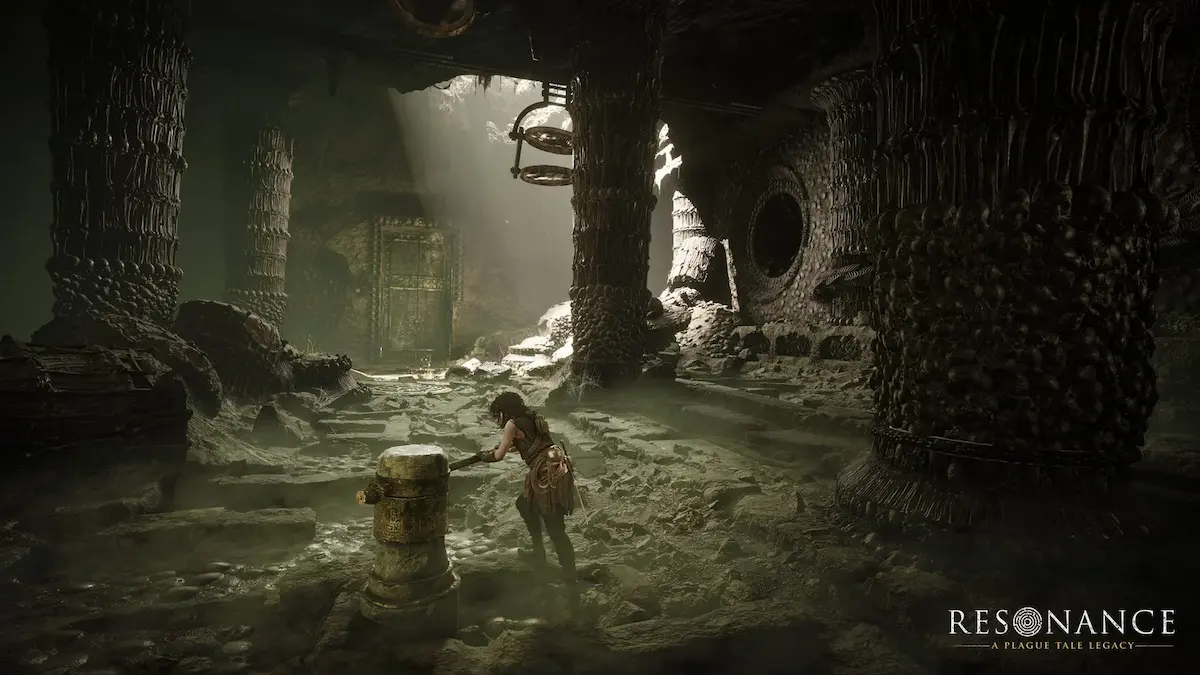
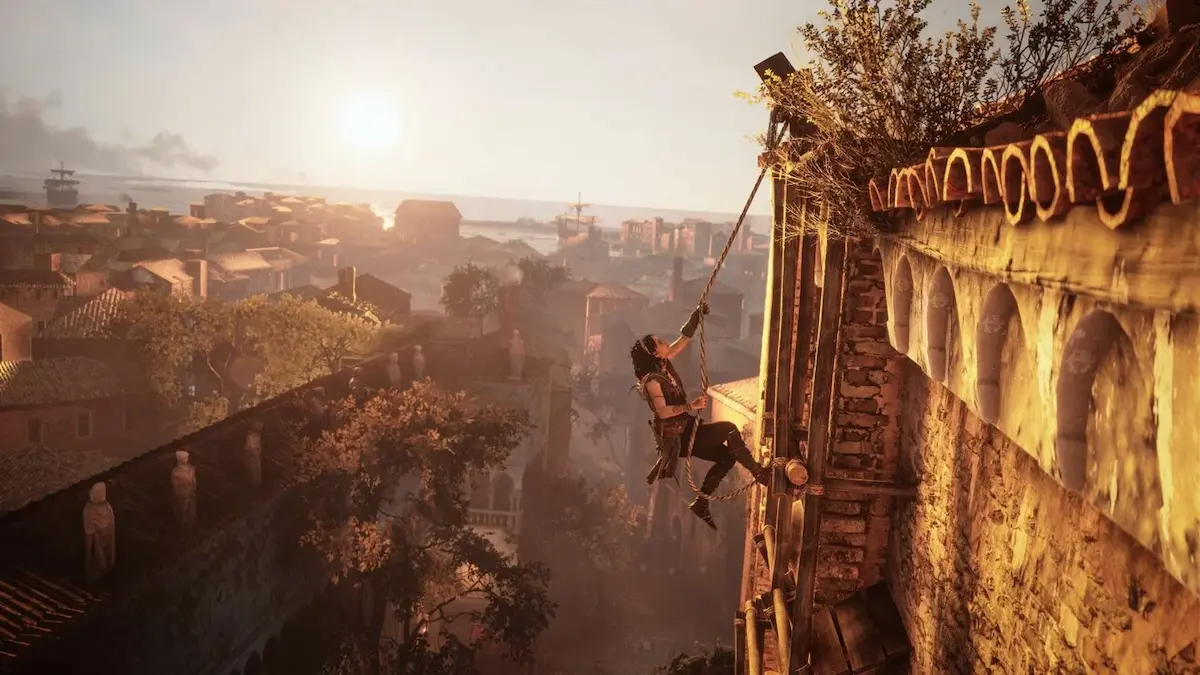
This backstory has a direct mechanical consequence. Because Sophia already knows how to fight, Resonance opens with a full, dynamic combat toolkit available from the very first moments. Players have access to quick attacks, heavy critical strikes, parries, dodges, and a grappling hook that Sophia handles with total confidence. Her arc is not one of gaining physical power. It is an inward journey toward emotional vulnerability, which inverts the growth model that defined both previous games.
A Faster Rhythm, Built Around Momentum
The shift toward more direct confrontation brings with it a completely different energy compared to anything the series has offered before. From the earliest stages of development, the team set out to raise the pace and open the franchise to a broader audience looking for more action alongside the signature storytelling. Sophia turned out to be the perfect vehicle for that transition, offering a fresh angle on the world without cutting the threads that connect it to everything that came before.
The preview build placed Sophia alongside her old friend and fellow smuggler, Leni. The two arrive on the island of Crete following a mythological thread tied to the legend of the Minotaur, drawn there by an inexplicable pull that Sophia herself cannot fully explain. It is the kind of setup that feels straight out of a pulp adventure serial, and that is clearly intentional.
Structurally, the game abandons long stretches of slow tension in favor of rapid, rhythmic sequencing. Intense combat arenas flow almost immediately into environmental puzzles and platforming sections, then back again, keeping momentum constant. Character dialogue happens on the move, delivered in short bursts tied directly to whatever is happening around the player, giving the whole experience a strong sense of forward propulsion that the earlier games rarely attempted.
Story Still Comes First
Some longtime fans may approach this shift with genuine concern, wondering whether the cinematic soul of the series has been traded away for something more crowd-pleasing. According to everyone at Asobo Studio, that trade never happened. The entire action system was designed to support the narrative, not to replace it.
Carol-Ann Banuls explained that the core principle of the writing process remains unchanged: if a narrative segment risks becoming passive or unengaging, the team recalibrates the delivery, but the story always remains the anchor. The writing priorities shift to keep the experience alive, not to push the story aside.
That commitment shows up in the details. Enemies voice real lines during combat encounters rather than barking generic warnings. Leni and Sophia exchange genuine banter during exploration that feels earned rather than scripted. Key story beats unfold in real time, directly in front of the player, rather than being isolated inside traditional cutscenes. The result is a game that wants to prove something: that a faster pace and a strong narrative identity are not mutually exclusive, and that the world of A Plague Tale has room to grow without losing what made it matter in the first place.
Whether Resonance: A Plague Tale Legacy fully delivers on that promise remains to be seen, but the vision behind it is sharply defined and genuinely exciting. Sophia’s story is not Amicia’s. That distinction, it turns out, makes all the difference.

I’m passionate about books and video games. These two great passions represent, for me, a boundless universe where I can “escape” from reality whenever I need or want to. There are so many stories, worlds, and landscapes where I can instantly teleport that I don’t think a whole lifetime would be enough to explore them all (though it would be my greatest dream to be able to).